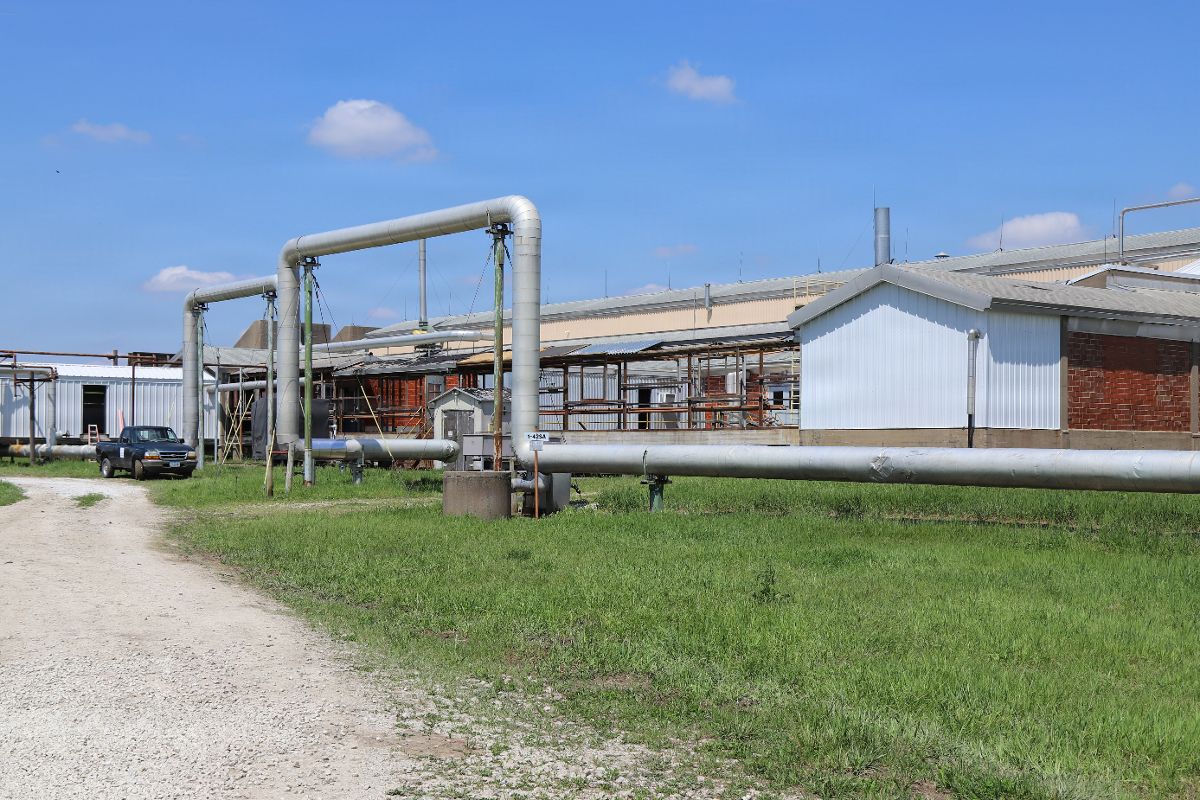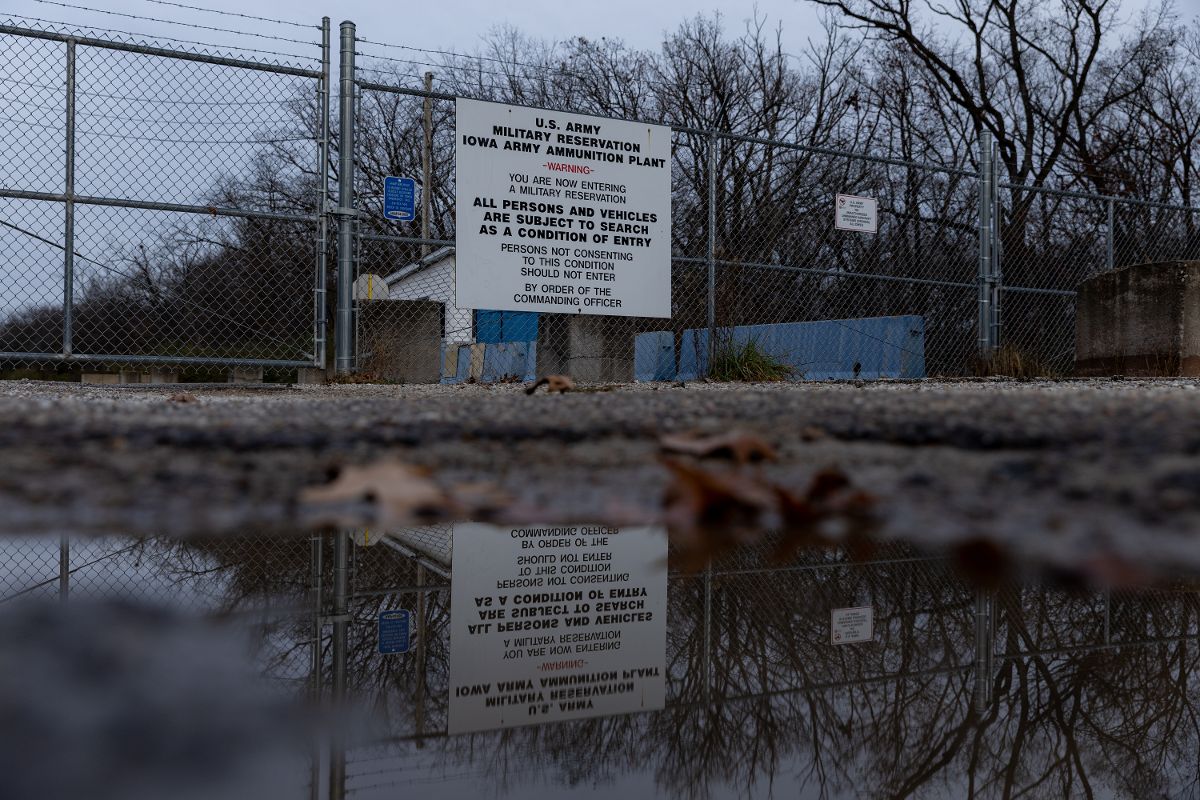
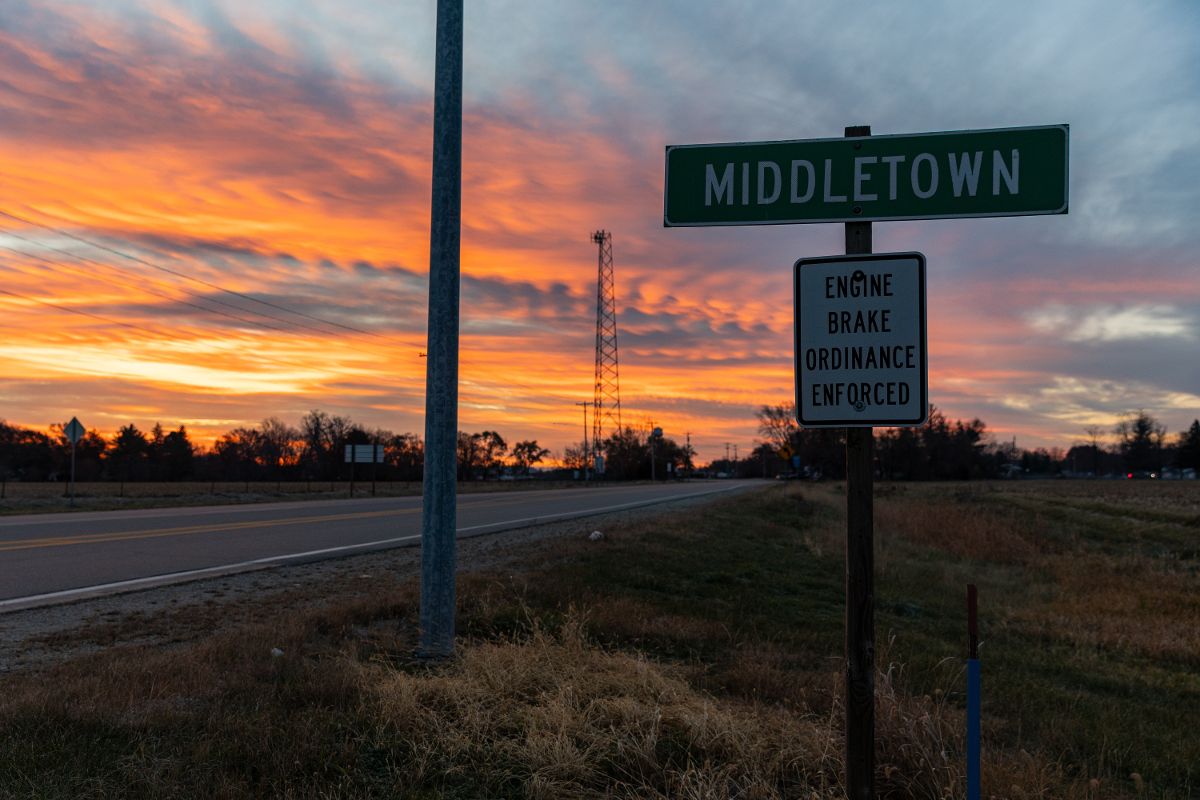
The U.S. Army has detonated the nation’s entire stockpile of lead azide in Iowa after warning that the degrading bomb-making chemicals could otherwise explode at any time. The controlled detonation of roughly 5 tons (4.54 metric tonnes) of degraded lead azide at the Iowa Army Ammunition Plant in Middletown has set off concerns about potential health and environmental effects.
Officials on Tuesday warned residents near Middletown to be ready to evacuate to avoid toxic dust in the air. The wind is expected to blow southwest — away from the nearby city of Burlington and the Mississippi River. The Army has also taken steps to limit the plume with barriers around the blast zone and ballistic gels to absorb the lead dust.
Get The Latest News!
Don't miss our top stories and need-to-know news everyday in your inbox.
The blast was originally planned for last Friday, but the Army rescheduled to allow more time for extra safety measures and more favorable wind conditions, according to court documents. It was the third time the Army had changed the date, winning approval from a federal appeals court after environmentalists sued to stop the detonation.
Here's the latest:
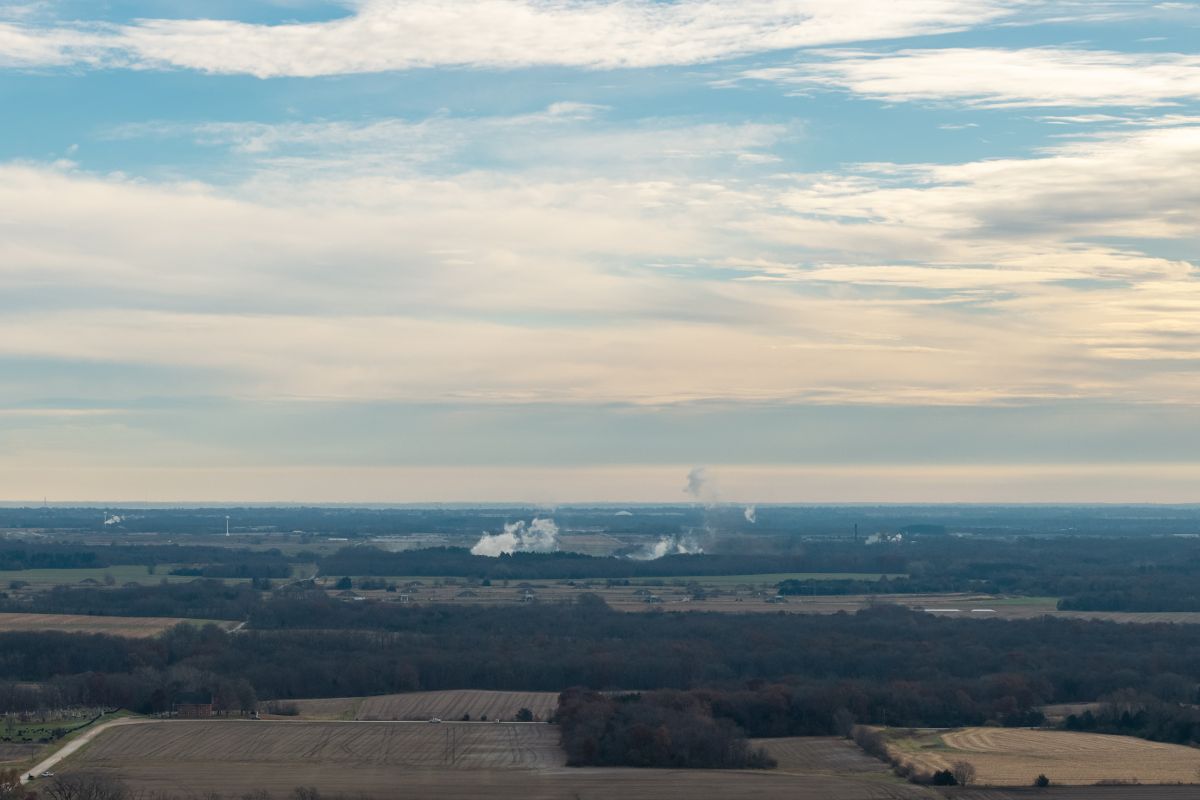
Video footage from several miles away showed two white plumes rolling over the detonation site before the clouds quickly dissipated. Journalists reported hearing a loud boom at the same time.
Despite warnings to stay inside, some residents pulled to the side of a road to watch the blast upwind of the ammunition plant.
The U.S. Army intentionally blew up the nation’s entire stockpile of lead azide at an ammunition plant in southeastern Iowa on Wednesday after officials said the degraded materials were at risk of exploding uncontrollably as temperatures cooled.
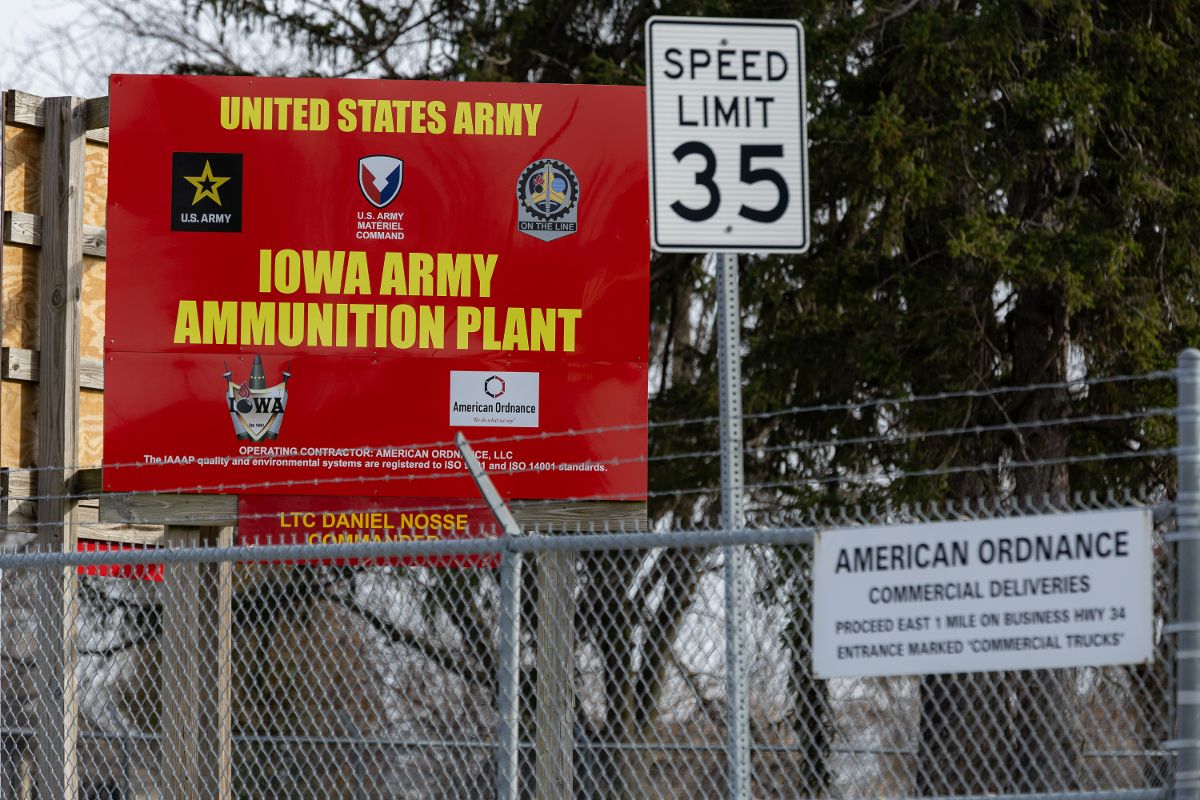
Environmentalists voiced concerns about possible health and environmental effects from the controlled detonation of the bomb-making chemicals at the Iowa Army Ammunition Plant in Middletown.
Officials warned about the dangers of waiting too long, and a court ultimately cleared the way for the military to carry out the blast.
Officials advised people nearby to be ready to evacuate, but also sought to reassure them that barriers around the blast zone should limit much of the plume.
The Army set up blast barriers around the bunkers where the 5 tons of lead azide was detonated and used ballistic gels and foams to absorb the lead dust. It said beforehand it also would douse the materials with thousands of gallons of water.
The U.S. Army said it will film Wednesday morning’s controlled detonation of lead azide and make the footage and photos available as soon as possible. It has been providing updates on its social media accounts.
The Army has kept media outlets and others more than 4 miles (6.4 km) away from the blast site.
“Please, do not put yourselves in harm’s way,” it warned in an advisory to news outlets.
The Associated Press is livestreaming from a location about 5 miles (8 km) away and upwind from the ammunition plant in Middletown.
The Environmental Protection Agency said it collected more than 1,200 air, land and water samples ahead of the controlled detonation to test for lead levels around the Iowa Army Ammunition Plant.
The EPA will also test lead levels during and after the detonation, it said Wednesday. The agency will monitor the air and report data every five minutes.
No lead was detected in the air before the detonation, and the EPA said it expects only a brief increase after the blast.
“It is the top priority of this agency to ensure impacted residents can swiftly be and feel safe and comfortable in their homes, at their schools, in recreational spaces, and in their community,” said Tom Croci, the agency’s associate administrator for national security and operations coordination.
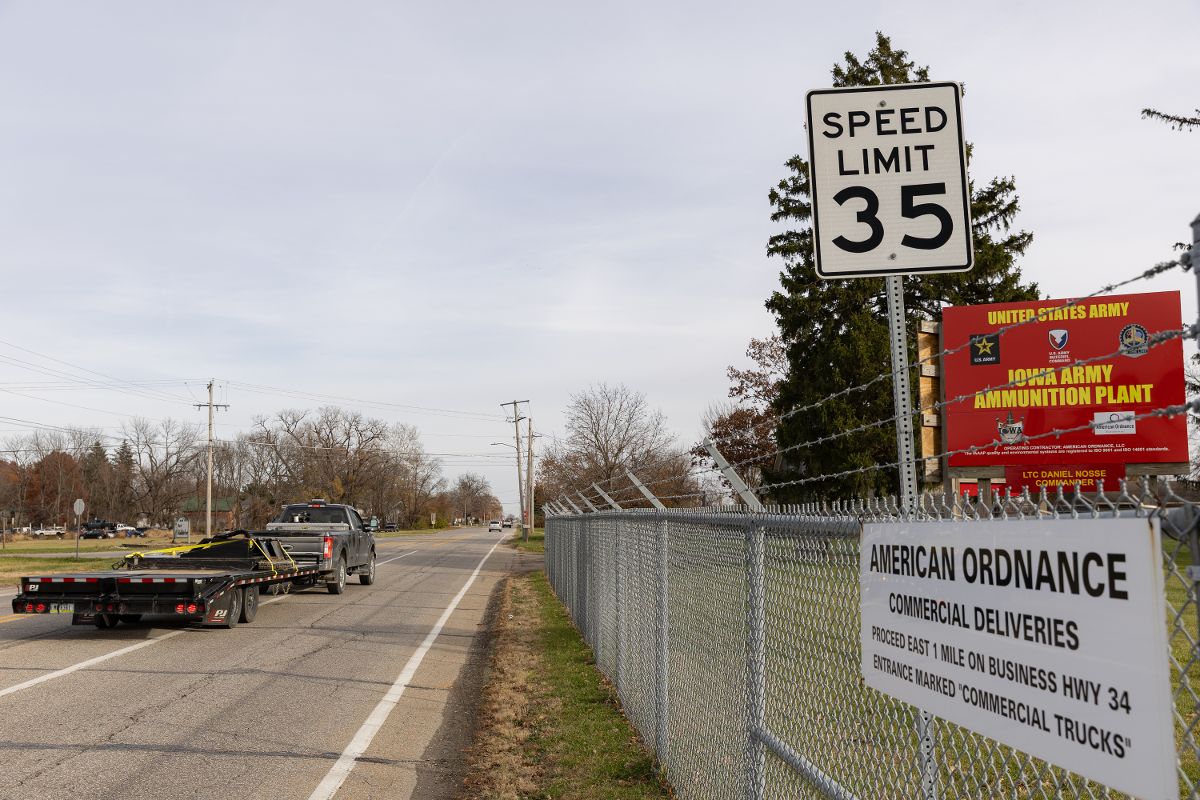
The country’s stockpile of lead azide was brought to the Iowa Army Ammunition Plant from bases all around the country in 2009, according to Rob Cekada, director of the Bureau of Alcohol, Tobacco, Firearms and Explosives. The chemicals, used in munitions production, were stored in barrels in case the military needed to use them again.
In March, during a routine monitoring inspection, staff at the Iowa Army Ammunition Plant found that the lead azide had partially crystallized, making it sensitive to friction and cold temperatures and creating the risk of spontaneous detonation.
The Army assembled experts to formulate a plan but found that alternative solutions like thermal treatment and neutralizing the drums’ contents were not as safe as a controlled detonation.
The Environmental Protection Agency said it collected more than 1,200 air, land and water samples ahead of the controlled detonation to test for lead levels around the Iowa Army Ammunition Plant.
The EPA will also test lead levels during and after the detonation, it said Wednesday. The agency will monitor the air and report data every five minutes.
No lead was detected in the air before the detonation, and the EPA said it expects only a brief increase after the blast.
“It is the top priority of this agency to ensure impacted residents can swiftly be and feel safe and comfortable in their homes, at their schools, in recreational spaces, and in their community,” said Tom Croci, the agency’s associate administrator for national security and operations coordination.
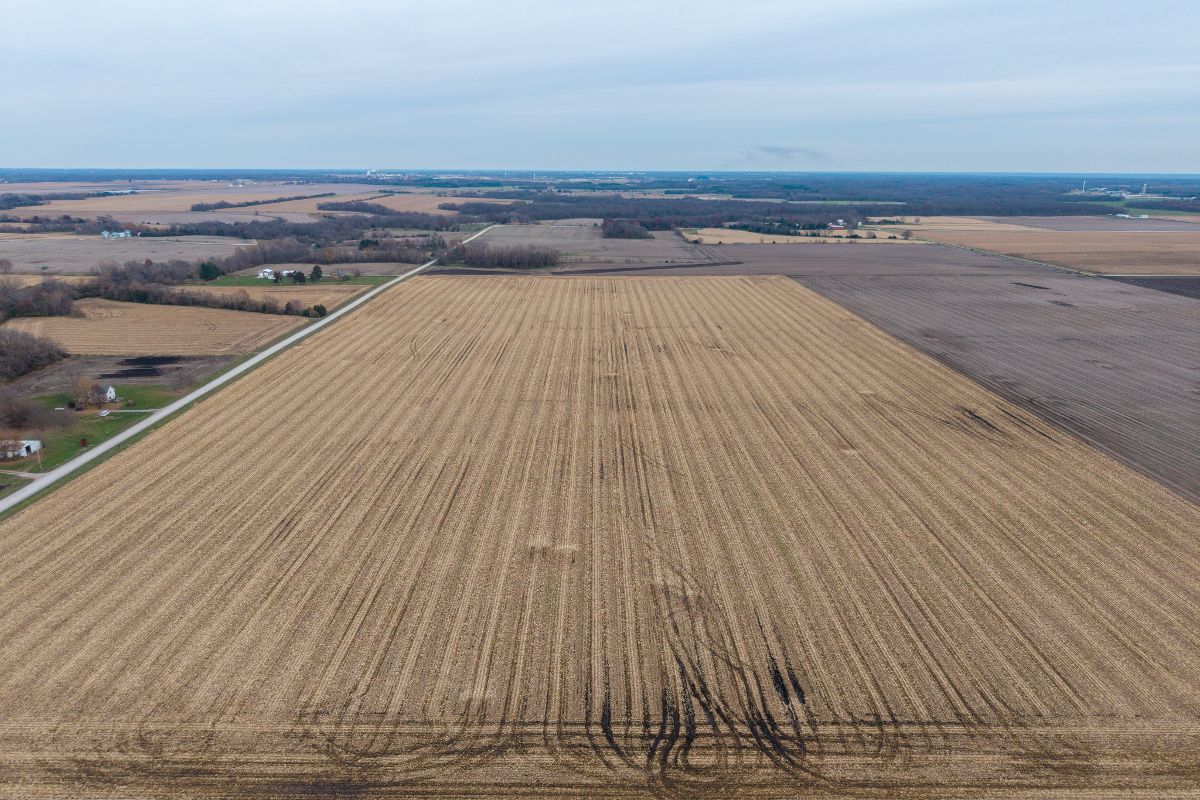
Doug Seyb can’t do much to protect his farm, 18 miles (29 kilometers) southwest of the ammunition plant. His cows are out in a pasture, and he can’t move them indoors. Ponds also fill the farm’s water tanks, and he can’t change that.
“We can just cross our fingers,” said the 71-year-old resident of Donnellson, Iowa.
Seyb is worried about the long-term effects the controlled detonation will have on his farm. He fears his calves could be born with deformities in the spring, and he is unsure how next year’s soybean and corn crops will fare if the soil is contaminated with lead.
When the controlled detonation occurs, Seyb will head inside for a few hours until it’s time to feed the cattle in the afternoon.
“Farm’s been in the family over 150 years, and I’ve spent my whole life building it and making it what it is,” he said.
The Federal Emergency Management Agency issued the emergency alert about an hour before Wednesday’s planned detonation at the Iowa ammunition plant.
The alert said evacuation was no longer safe or advised and that all residents within 20 miles (32 kilometers), including those in the communities of Middletown, Augusta and Burlington, must shelter in place.
“STAY INDOORS with windows closed to block lead dust,” the alert advised.
Evacuated residents will be notified by phone when it is safe to return to their homes. Experts and officials encourage residents to clean outdoor surfaces that children may touch, including outdoor play equipment, patios and decks.
Officials will take samples to measure lead levels in the soil, air and water following the detonation.
The U.S. Army is also reviewing its storage facilities to ensure a similar situation does not arise again.
About 350 farms could be affected by the projected plume after the blast, according to Richard Fordyce, undersecretary of agriculture for farm production and conservation at the U.S. Department of Agriculture.
The Iowa Department of Agriculture and Land Stewardship encouraged livestock farmers to move their animals indoors and shut all windows and barn doors. The department also said farmers should contact the U.S. Army to have baseline soil samples taken from their farms before the detonation and monitor their animals after the blast for any changes in appetite or behavior.
Some residents near Middletown, Iowa, have been sealing their windows and doors to keep out any lead dust that might result from the detonation. Boxes of painter’s tape and masks were outside of government buildings Tuesday for those who wanted them.
The Federal Emergency Management Agency recommended that all residents in Middletown and others within a 5-mile cone of the ammunition plant evacuate. Residents outside of the recommended evacuation zone were encouraged to shelter in place, close windows and doors and set their heaters to recirculate rather than pull in outside air.
Schools in the zone of the plume, as well as some businesses and government buildings, closed in preparation for the blast.
The detonation of 5 tons (4.54 metric tonnes) of lead azide is scheduled for around 10 a.m. EST, though the U.S. Army will give a more precise time after evaluating changing weather patterns.
The controlled explosion was initially planned for last Friday, but the time changed three times to allow for more favorable wind conditions and extra safety measures.