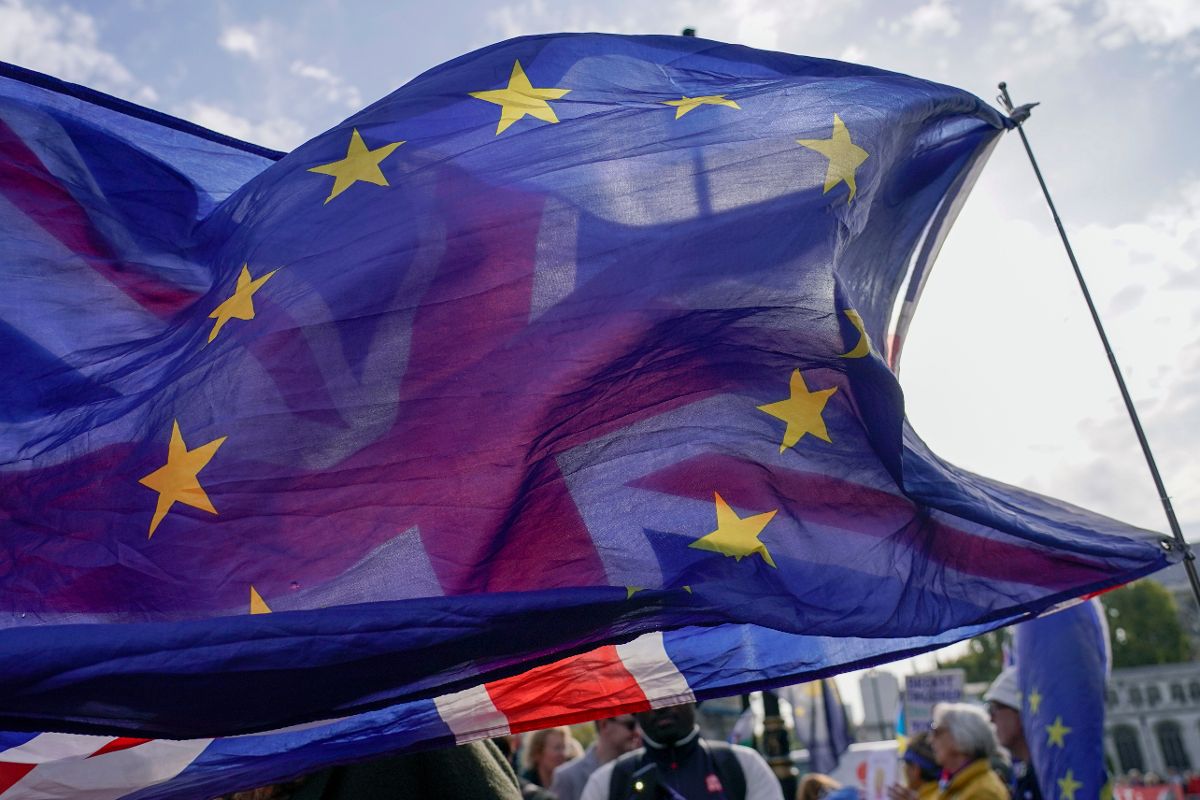
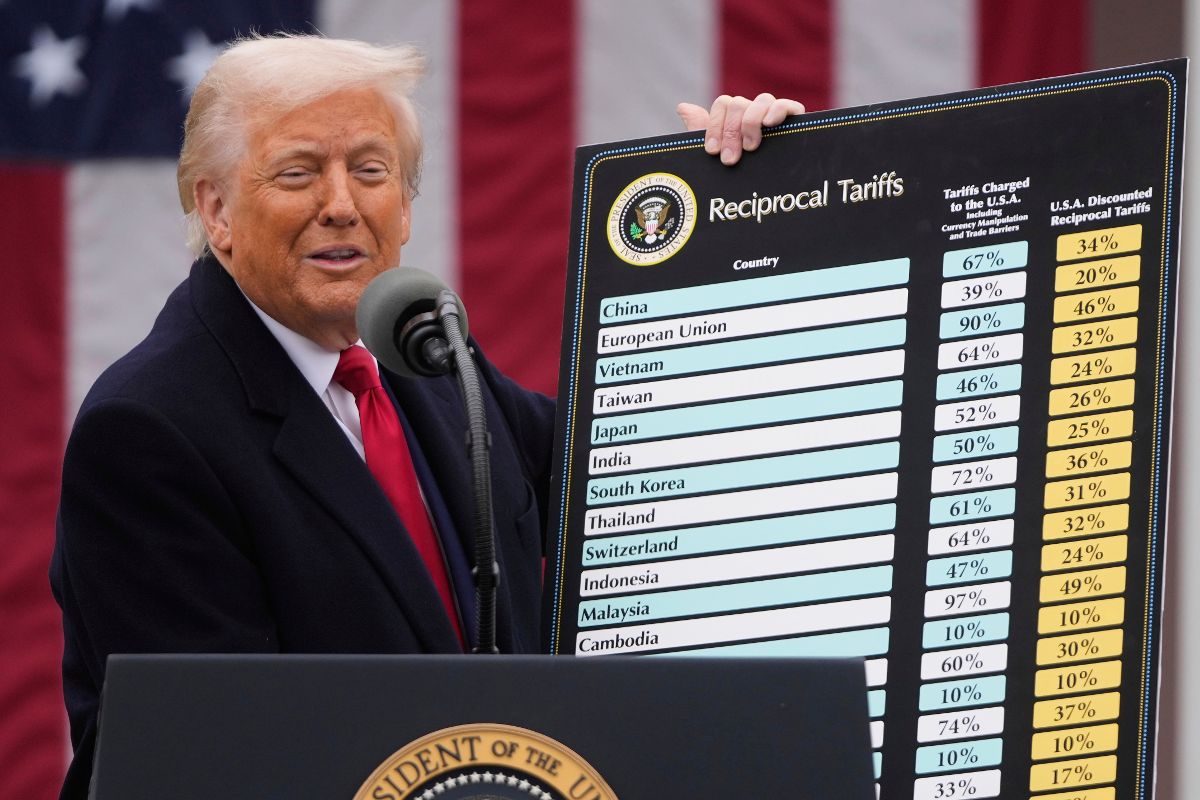
WASHINGTON (AP) — President Donald Trump's administration is planning to hike tariffs on Chinese goods by an additional 20% and raise import taxes on products from the European Union, Japan, South Korea, Taiwan and nine other major trading partners.
The new tariffs proposed on Wednesday are meant to discourage excessive factory output in those economies, boosted by subsidies and other trade barriers that the Republican administration says put American manufacturers at a disadvantage. The taxes are also intended to help replace the tariff revenues lost after the Supreme Court ruled in February that Trump could not declare an economic emergency to bypass Congress and impose across-the-board tariffs.
Get The Latest News!
Don't miss our top stories and need-to-know news everyday in your inbox.
The new tariffs stem from investigations into the trade practices of 12 countries, the 27-member EU and the self-governing island of Taiwan.
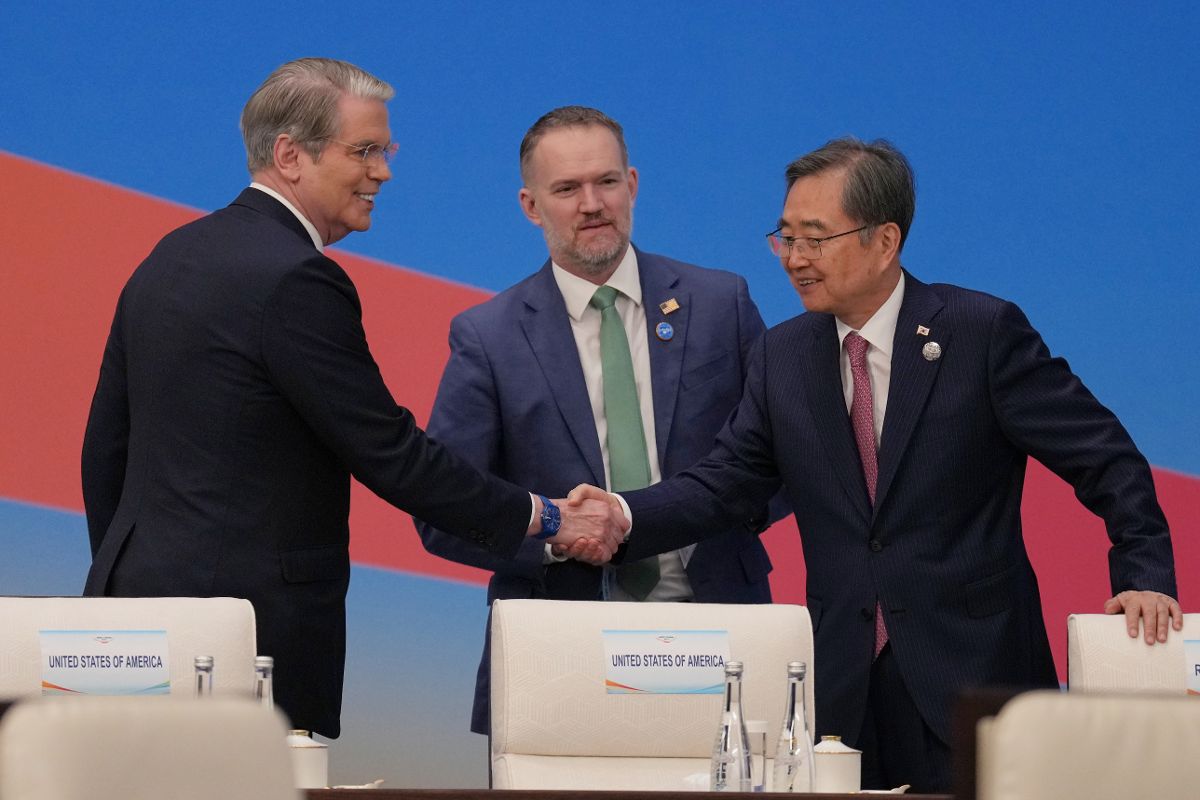
U.S. Trade Representative Jamieson Greer said he did not expect the tariffs to rattle the global economy.
“We’ve talked to our trading partners about this — they know what we’re proposing,” Greer told CNBC. “I think a lot of this is baked in, and I don’t think any of these would actually take effect earlier than a couple months from now.”
The tariffs, rolled out the day before Thanksgiving, represent another controversial twist in Trump's economic policy. Voters in this month's midterm elections punished Republicans by handing majorities in the House and the Senate to Democrats, with about two-thirds of voters saying that Trump's policies had made the economy worse, according to The AP Voter Poll, a sweeping survey of the American electorate conducted in all 50 states.
Trump has promised that the import taxes will bring back manufacturing jobs and reduce the federal deficit, but last year's tariffs contributed to higher inflation that angered voters and led to calls by Democratic lawmakers to require congressional approval going forward.
The Trump administration is arguing that these countries' industrial policies have undercut American companies, contributing to a trade deficit in goods that has recently exceeded $1 trillion annually.
The legal basis of the planned tariffs is Section 301 of the Trade Act of 1974, which enables the U.S. government to investigate and retaliate against foreign trade practices that violate existing deals, are not justified by market forces or actively discriminate against American goods. A senior Trump administration official told reporters that the new tariffs would be consistent with the trade deals that Trump reached last year with dozens of countries after threatening severe tariff hikes.
Brazil was separately singled out Wednesday for extra punishment after talks on trade issues stalled. The U.S. is proposing higher import taxes for raw and refined sugar and a new 10% tariff on aircraft, a move that would hit Embraer, Brazil’s largest aircraft maker.
For some Chinese goods, the new 20% tariff will be stacked on top of other import taxes for a total rate of 45%.
Like China, Vietnam also faces a 20% rate, pending finalization of trade talks, the USTR said on Wednesday. The tariffs for other trading partners range from 10% to 18%.
The U.S. and China last year reached a trade truce that is set to expire on Jan. 10, 2027. Greer told CNBC that the administration is proposing a “broad exemption” for $30 billion worth of Chinese goods in line with the truce.
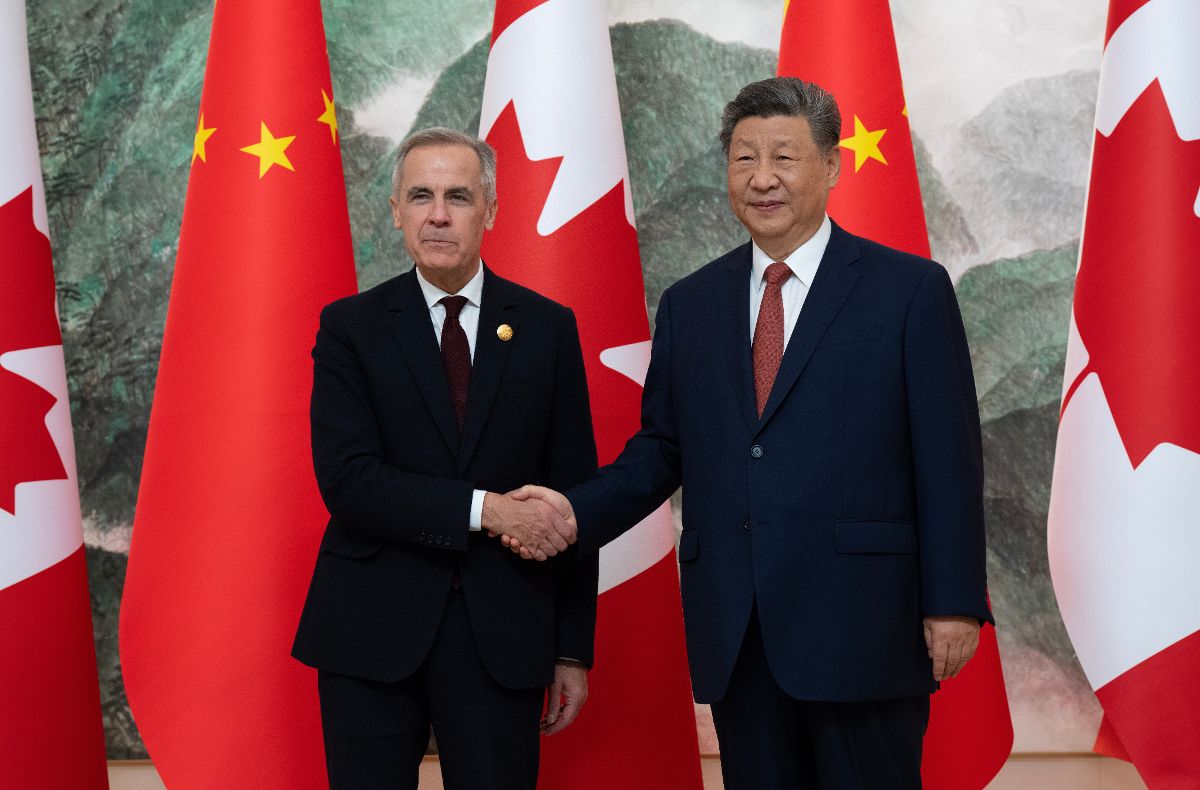
Trump met last week in Shenzhen, China, with Chinese leader Xi Jinping and plans to host him next month at the Group of 20 summit in Florida, an event at which the truce and issues over access to rare earth minerals and China's purchases of American agricultural products could be discussed again.
China has pushed back consistently on U.S. tariffs. On Wednesday, China’s Ministry of Foreign Affairs again stated its opposition while calling for the U.S. to resolve the issue through dialogue. “A tariff war or a trade war serves no party’s interests,” spokesperson Guo Jiakun said. “The so-called overcapacity is a false narrative, and China opposes using it as a pretext for political manipulation.”
The new import taxes are targeted to specific products and would not stack on top of separate tariffs on automobiles, steel, aluminum and other products that the administration has separately imposed under Section 232 of the Trade Expansion Act of 1962.
Nor would they stack on top of levies of 10% to 12.5% announced in July for 60 trading partners that the White House said have inadequately enforced bans on goods produced by forced labor.
Other nations facing the new tariffs are Bangladesh, Cambodia, India, Indonesia, Malaysia, Singapore, Switzerland, Thailand and Vietnam. The official, who had insisted on anonymity as a condition for discussing the reports before they were posted by the U.S. trade representative’s office, said there are two other countries with pending investigations: Mexico and Norway.
The Associated Press confirmed the planned tariff announcement ahead of the call, according to people who insisted on anonymity because they were not authorized to comment publicly. The plans were reported earlier on Tuesday by Bloomberg and The Wall Street Journal.
___
AP writer Huizhong Wu in Bangkok contributed to this report.