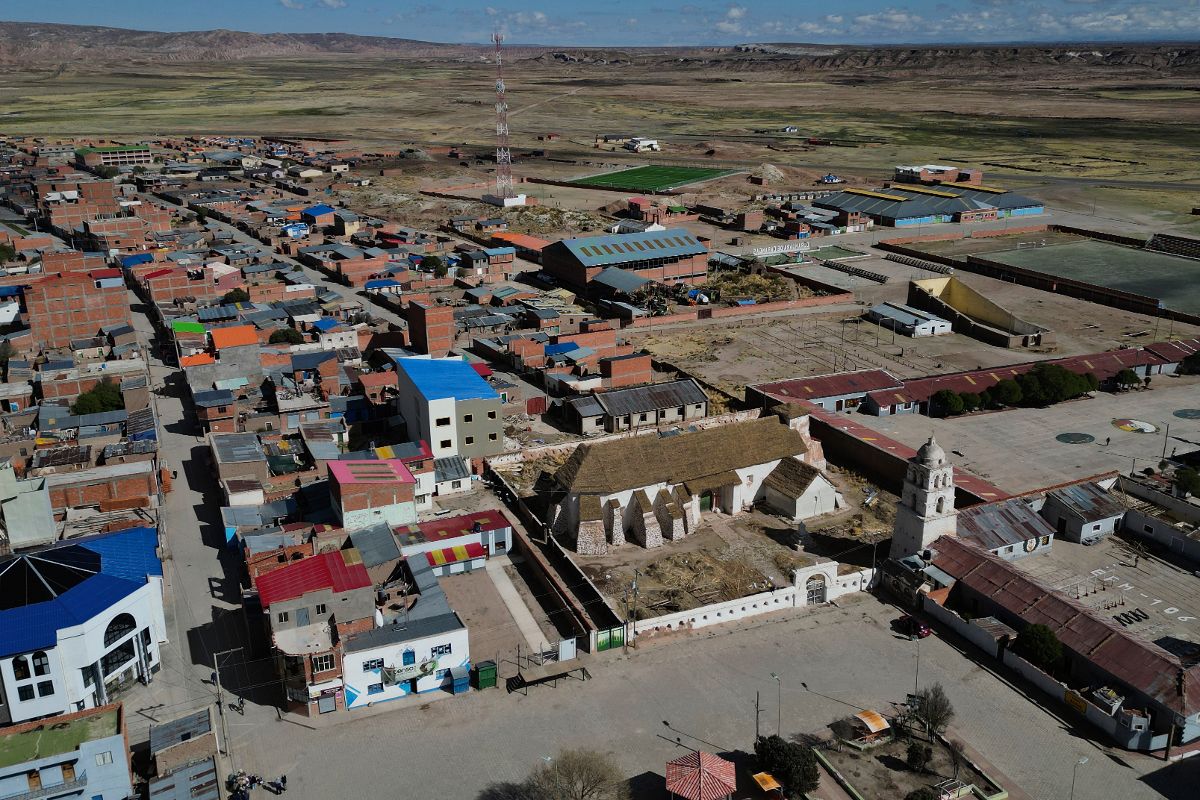
CURAHUARA DE CARANGAS, Bolivia (AP) — A 418-year-old church built and painted by Indigenous hands is getting a new lease of life in Bolivia’s high-altitude desert, where its colorful murals tell the story of an encounter between Spanish Catholicism and ancient Andean beliefs.
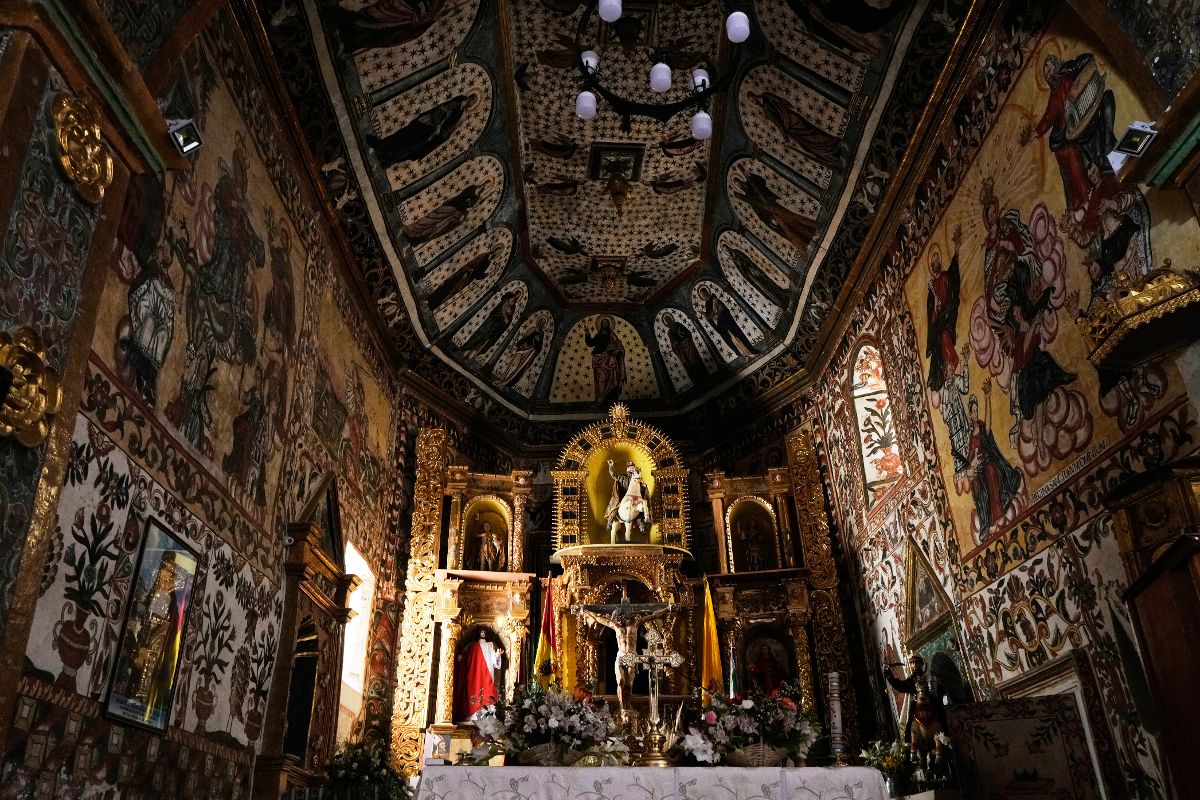
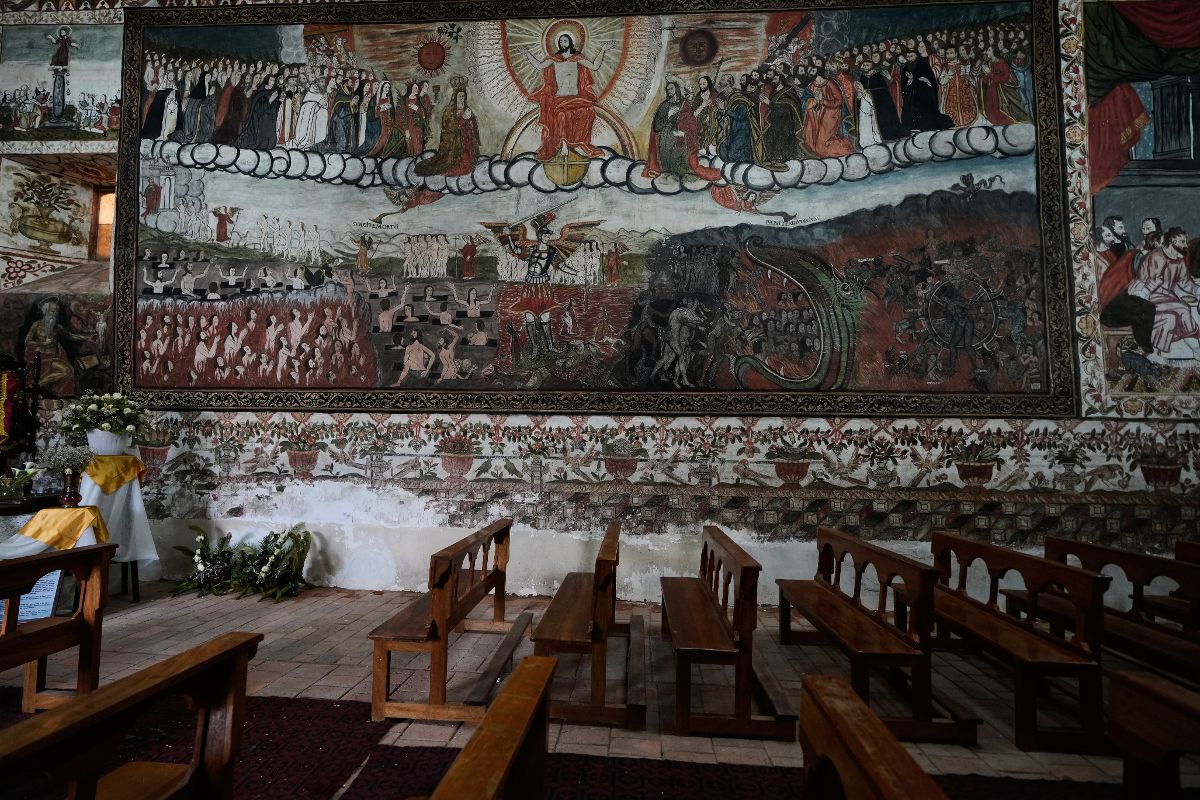
Known as the “Andean Sistine Chapel,” the modest adobe church in the western province of Oruro is celebrated for its elaborate murals depicting biblical scenes alongside Indigenous religious symbols.
Get The Latest News!
Don't miss our top stories and need-to-know news everyday in your inbox.
“It is a jewel of mestizo Baroque art,” said the Rev. Jacek Dziadosz, a Polish priest known locally as Father Jacinto. He said the church reflects how Spanish colonizers and Indigenous communities sometimes collaborated, creating a religious blend that endures today.
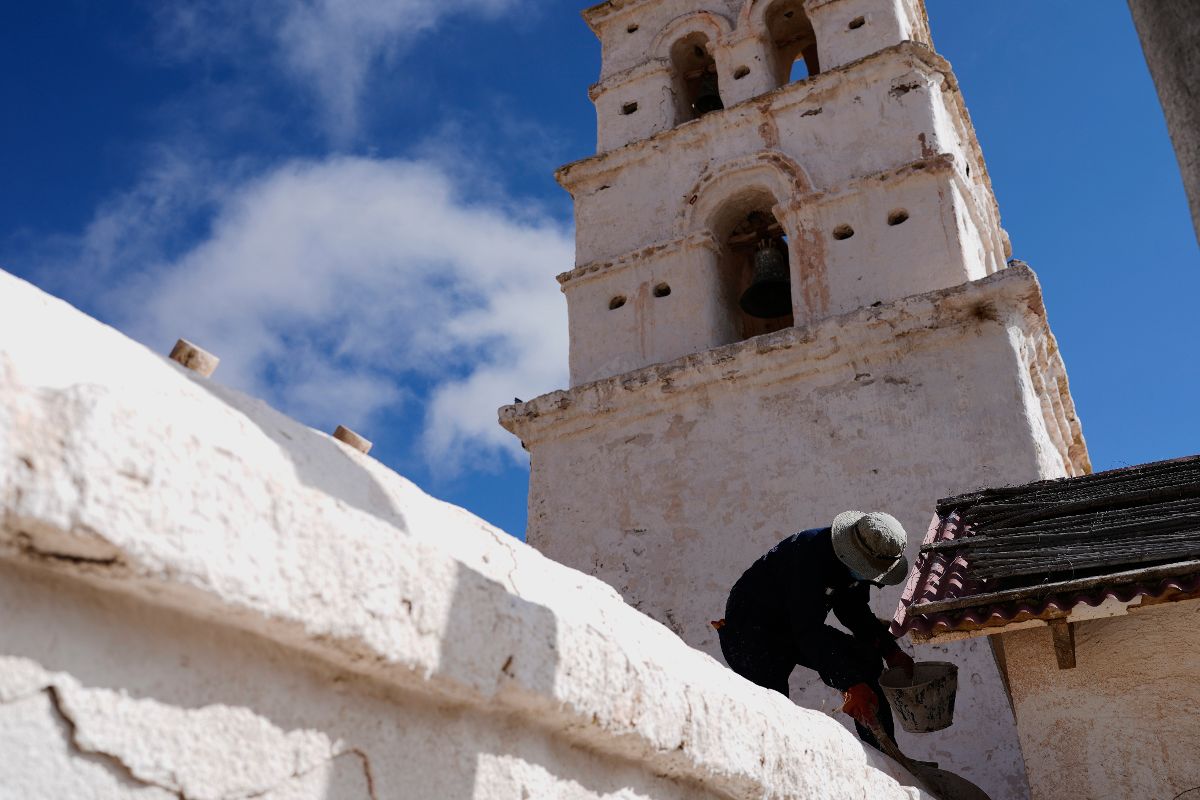
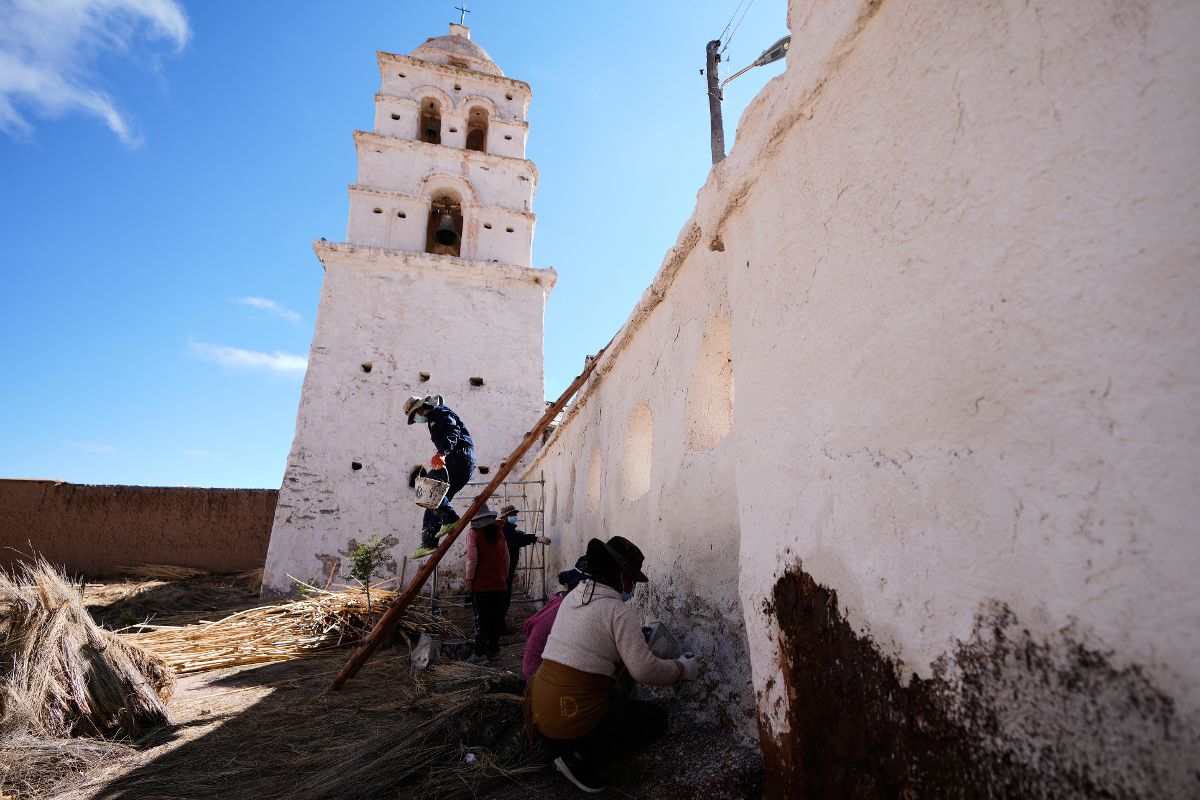
About a dozen Aymara workers, including several women, are putting the finishing touches on a new thatched roof and whitewashing the church’s walls ahead of the restoration’s scheduled completion in mid-December.
The project received about $66,000 from the U.S. Ambassadors Fund for Cultural Preservation, with technical support from heritage conservation specialists and the Catholic University of Bolivia.
Finding workers skilled in traditional thatching techniques was a challenge, said Josefina Matas, a conservation specialist and university professor.
The new roof is expected to last another 25 years, withstanding freezing winds, intense sunshine, rain and hail at an altitude of nearly 4,000 meters (13,100 feet), said technical supervisor Elizabeth Aguilar.
Construction of the church began around 1608, according to an inscription on its walls. Indigenous artists used natural pigments to depict biblical stories, including Genesis, the Great Flood and the Apocalypse. Missionaries used the paintings to teach Christianity to people who could not read.
“I still use these paintings to teach catechism to children and young people from rural communities, even in the age of TikTok,” Dziadosz said.
The murals also reveal how Indigenous artists incorporated their own beliefs into Christian imagery.
One towering painting depicts the resurrected Christ flanked by the sun and moon, powerful symbols in Andean spirituality. A rainbow behind Jesus represents the sun’s return, the priest explained.
In a depiction of the seven deadly sins, anger takes the form of a Spanish soldier wielding a sword. The artists also included human sacrifice, a practice associated with pre-Columbian religious rituals.
The Last Supper features a guinea pig, a traditional Andean festive dish, instead of bread. A black cat symbolizing bad luck appears beside Judas, while a white dog representing good fortune rests at Jesus’ feet.
The Three Wise Men ride llamas rather than camels, another nod to Andean traditions.
“The murals were painted to warn people about sin and the importance of repentance,” Matas said. “There is something from outside, but there is also something that is ours.”
Curahuara de Carangas, a region known for raising llamas and other camelids, was once home to Inca, Aymara and Spanish communities.
The area also lay along a major colonial trade route carrying silver from the mines of Potosí to Pacific ports for shipment to Spain.
Despite the harsh conditions of the Andean highlands, Indigenous cultures flourished there long before Spanish colonizers arrived and built churches to spread Christianity.
___
Follow AP’s coverage of Latin America and the Caribbean at https://apnews.com/hub/latin-america