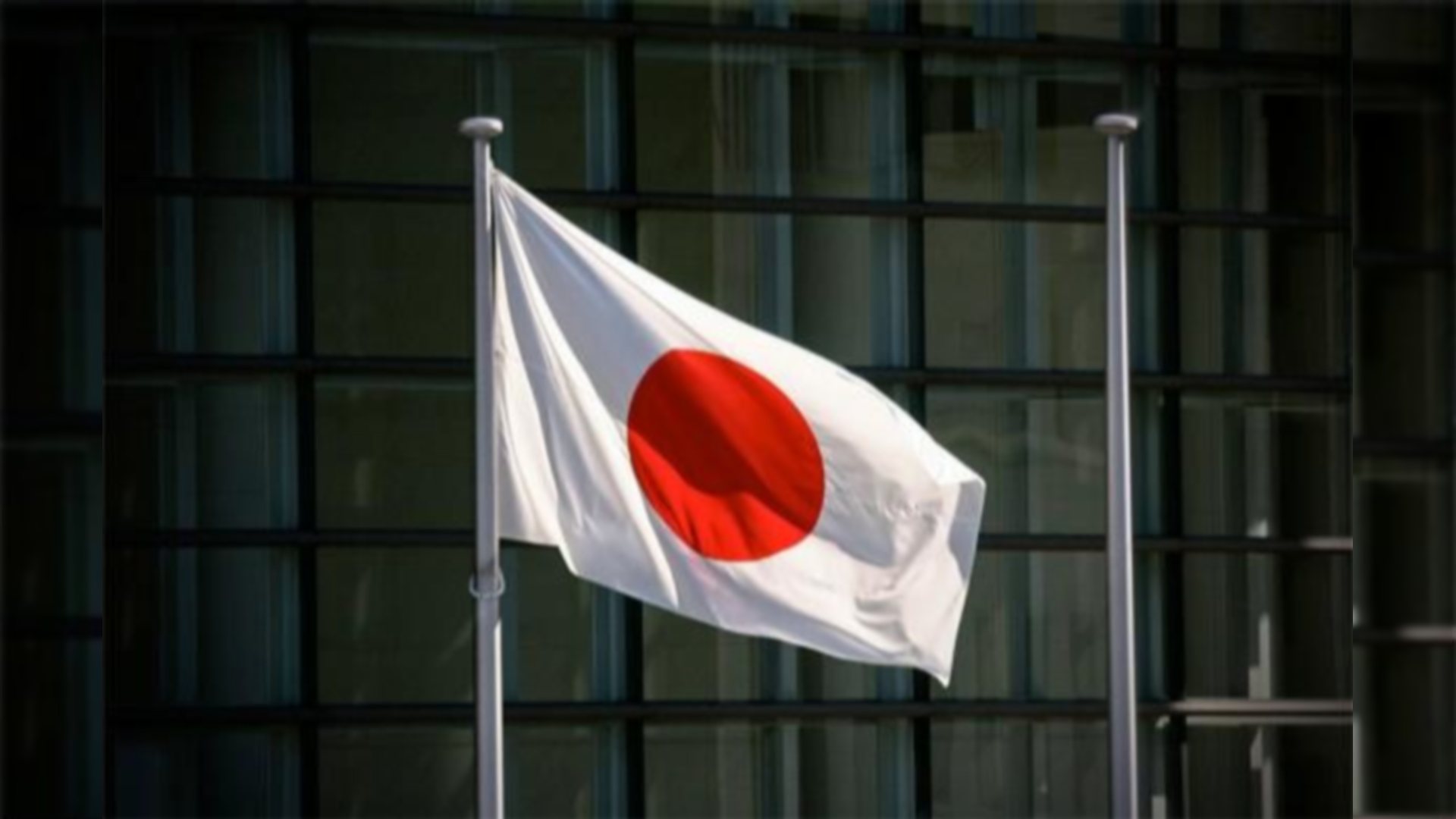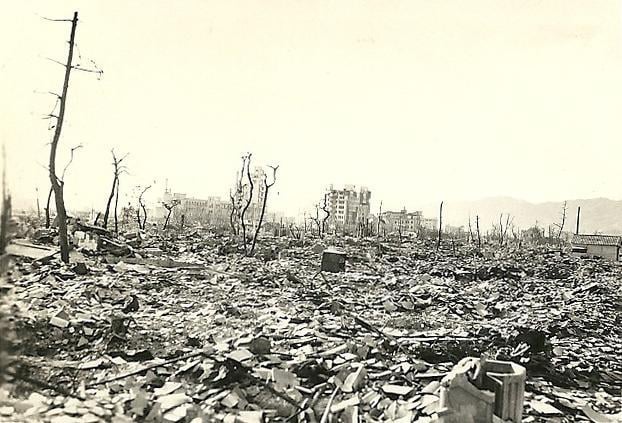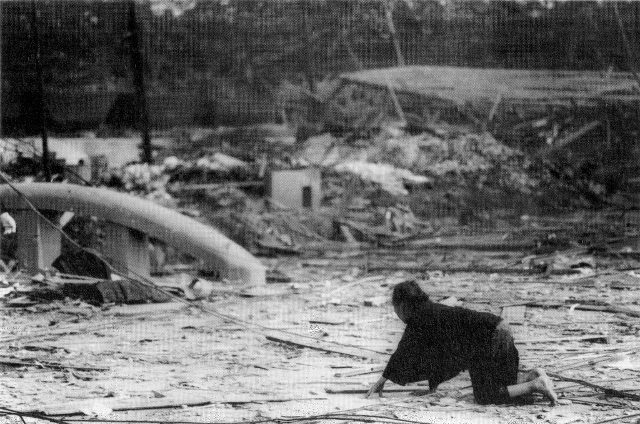

On August 8, 1945, the Soviet Union entered the war against Japan, opening a major new front in the final days of World War II. Late that day, Soviet forces launched a massive assault into Japanese-held Manchuria, striking the Kwantung Army, once one of Japan’s strongest military formations. At the time, the move mattered because it sharply reduced Japan’s remaining military options and changed the diplomatic balance in East Asia. It still matters today because it shaped the end of the war, influenced the division of power in Northeast Asia, and affected the postwar futures of China, Korea, and the Soviet Union’s regional role.
Get The Latest News!
Don't miss our top stories and need-to-know news everyday in your inbox.
That turning point came after months of planning and years of tension. In April 1945, Moscow had announced it would not renew its neutrality pact with Japan. Then, after Germany’s defeat in Europe, the Soviet Union shifted troops and equipment eastward. When the offensive began on August 8, Soviet armies attacked across a vast front with speed and coordination. The campaign helped convince Japanese leaders that defeat was unavoidable. Historians continue to discuss the relative weight of the Soviet invasion and the atomic bombings in Japan’s decision-making, but there is broad agreement that the Soviet attack was one of the decisive blows that ended the war.
More than four centuries earlier, another August 8 changed the balance of power in Europe. In 1588, the Spanish Armada’s campaign against England effectively collapsed after days of fighting in the English Channel and worsening weather as the fleet retreated northward. Spain had sent the Armada to support an invasion and restore Catholic power in England under Queen Elizabeth I. The failure did not end Spanish strength overnight, but it prevented the planned invasion and became a lasting symbol of England’s survival as an independent Protestant power. Over time, the episode helped shape the story both countries told about themselves and marked an important moment in European rivalry at sea.
On August 8, 1974, U.S. President Richard Nixon announced he would resign, and although this was an American event, the larger pattern of political accountability it highlighted had global impact. The Watergate scandal showed how investigative reporting, court decisions, and constitutional processes could force a head of government from office without military intervention or revolution. Many countries later looked back on the episode as a well-known example of how democratic institutions can respond to abuse of power.
August 8 has also been linked to the changing map of Europe after the Cold War. In 2008, Russia and Georgia went to war over South Ossetia, after rising tensions, clashes, and competing claims over the separatist regions of South Ossetia and Abkhazia. The fighting was brief but significant. It revealed the fragility of the post-Soviet settlement, displaced civilians, and raised wider questions about borders, recognition, and the role of outside powers in the region. The war’s consequences continued to shape relations among Russia, Georgia, Europe, and the United States for years afterward.
Science and technology have their own place on this date. On August 8, 1908, Wilbur Wright gave a public flying demonstration at a racetrack near Le Mans, France, that helped persuade many European observers that powered flight was practical and real. Until then, some people in Europe had doubted reports from the United States about the Wright brothers’ success. Wilbur’s controlled turns, sustained flight, and precise handling impressed engineers, military officials, and the public. The demonstrations accelerated aviation development in Europe and helped move flight from experiment to industry, transportation, and warfare within just a few years.
Culture and entertainment also left their mark on August 8. In 1969, photographer Iain Macmillan took the cover image for the Beatles’ album Abbey Road outside EMI Studios in London. The picture of the four band members crossing the street became one of the most recognizable images in popular music. At the time, it helped frame the Beatles’ final period together. In the decades since, it has become a global symbol of the reach of modern pop culture, tourism, and album art as a form of visual identity.
Several notable people were born on this date. In 1866, Matthew Henson was born in Maryland in the United States. He became a key member of Arctic expeditions and is best known for his role in Robert Peary’s journey to the North Pole. For many years, his contributions were undervalued, but later recognition helped broaden public understanding of exploration history and the people who made such journeys possible.
In 1921, Esther Williams was born in Los Angeles. She became a major Hollywood star known for elaborate swimming musicals that blended athletics and entertainment. Her films were especially important in the 1940s and 1950s, when cinema was a central form of mass culture. She also influenced public interest in synchronized swimming and helped define a distinctive style of studio-era spectacle.
Dustin Hoffman, born on August 8, 1937, became one of the most respected actors of his generation. Through films such as The Graduate, Midnight Cowboy, Kramer vs. Kramer, and Rain Man, he helped shape modern screen acting with performances that were often emotionally direct and psychologically detailed. His career reflected broader changes in American and global cinema during the late twentieth century.
This date also marks the birth of Roger Federer in 1981 in Basel, Switzerland. Widely regarded as one of tennis’s greatest players, Federer combined sustained excellence with an elegant playing style that made him a global sports figure. His impact went beyond tournament wins. He helped expand tennis’s international popularity and became a prominent example of long-term professionalism in elite sport.
A few important deaths are also associated with August 8. In 2022, Olivia Newton-John died after a career that crossed music, film, and popular culture. Best known for songs such as “Physical” and for her role in Grease, she became one of the most recognizable performers of the late twentieth century. She was also known for her work in cancer awareness and fundraising, which added another public dimension to her legacy.
Looking across this date, a clear pattern emerges. August 8 brings together war and diplomacy, invention and performance, personal achievement and public loss.