WASHINGTON (AP) — More evidence this week of hot inflation in the U.S. was unpleasant news for the Federal Reserve, not to mention consumers: Rising prices may be spreading beyond the one-time shocks from tariffs and high gas prices into the wider economy, meaning that mortgages, credit cards and other forms of borrowing are likely to become increasingly expensive.
Tuesday's consumer price index report showed broadly rising costs across a range of goods and services, some with little connection to more expensive oil and gas or surging investment in artificial intelligence data centers, another factor blamed for worsening inflation. And there is increasing anxiety among Fed officials that higher oil prices stemming from the Iran war may last longer than previously thought.
Get The Latest News!
Don't miss our top stories and need-to-know news everyday in your inbox.
A key issue debated by Fed policymakers for months has been whether inflation would cool on its own if the Iran war ended and oil prices fell and as the impact of tariffs faded. But government data suggested inflation rose to 4% in October compared with a year ago, up from 3.7% in September, even as gas prices leveled off.
The potential consequences of the new inflation data emerged immediately. Two Fed officials suggested Tuesday that the central bank may have to hike its key interest rate more quickly to tame inflation. Bigger or faster hikes by the Fed would mean that buying a house or a car, or paying off a credit card would become a steeper hill to climb, with millions of Americans already struggling to make ends meet.

Lorie Logan, president of the Federal Reserve Bank of Dallas and a voting member of the Fed's rate-setting committee, said Tuesday that price increases remain high for services such as “visits to the doctor, childcare, dining out and hotel stays.”
“Prices for these services aren’t particularly sensitive to tariffs, conflict in the Middle East or surging demand for computer chips,” she added. "While I expect inflation to moderate as price pressures dissipate in energy and manufactured goods, the broader inflationary trend is more likely to persist.”
Logan said Tuesday she supported two additional quarter-point rate hikes. While she has made similar statements before, Logan added that the Fed could “move more rapidly this winter” than it “has moved so far this fall,” signaling that she may support two rate hikes in a row, a quicker pace than the Fed's current approach.
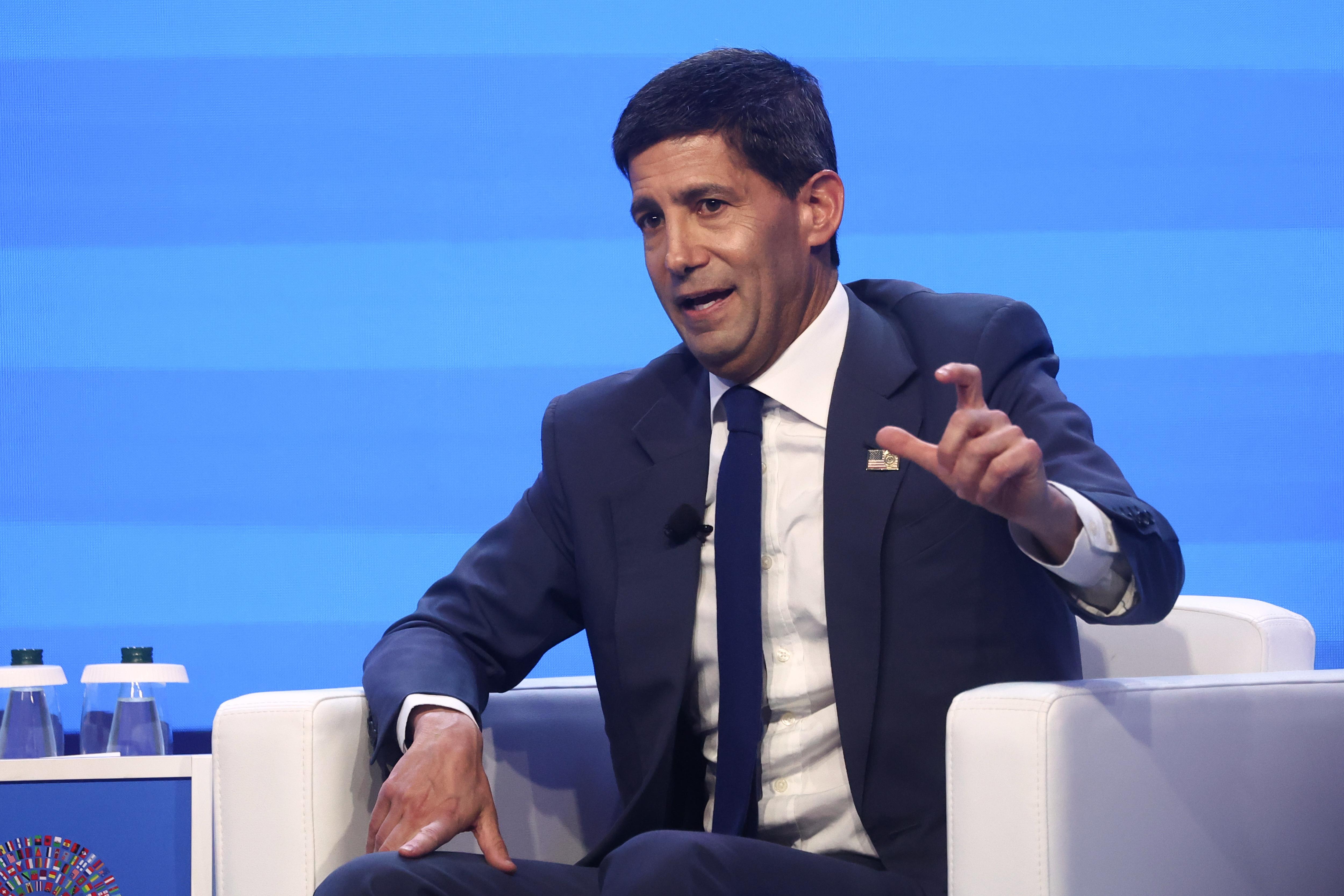
At its last meeting in late October, the central bank kept rates unchanged at about 3.9%. Chairman Kevin Warsh declined to suggest whether more increases were likely. The central bank hiked rates at its September meeting.
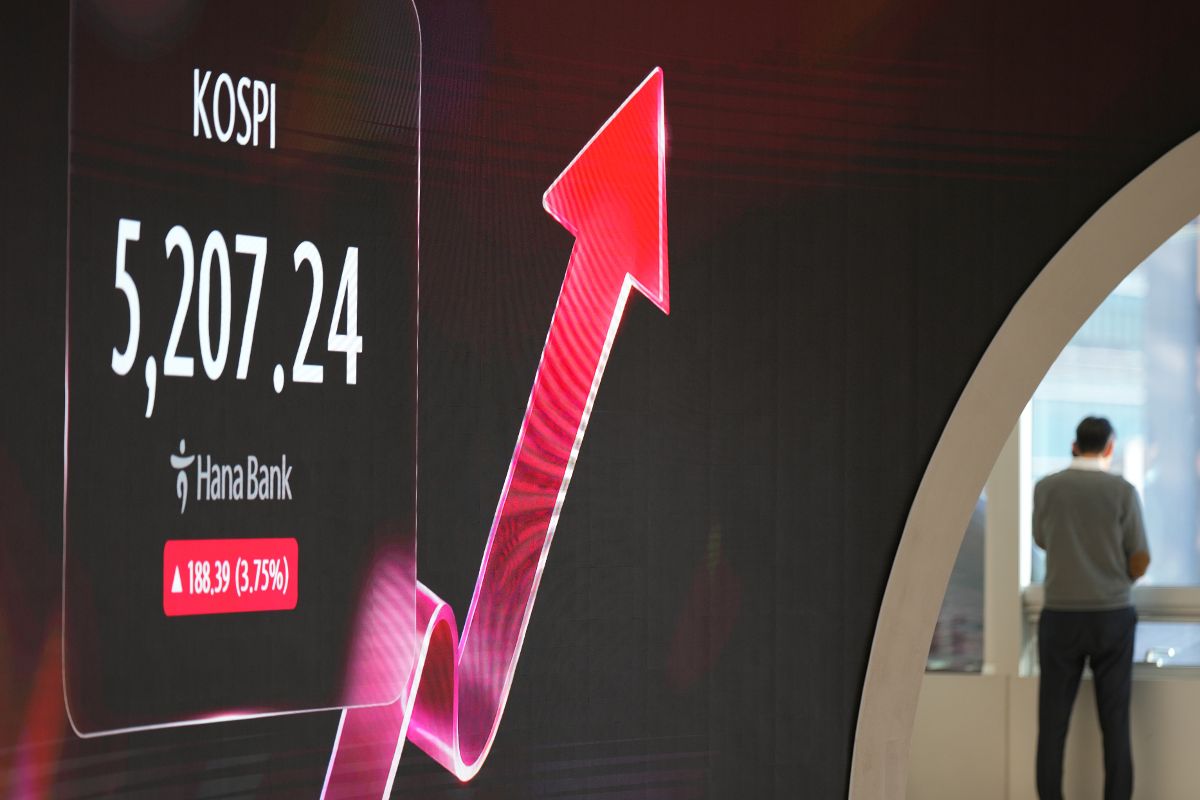
Wall Street investors now see 90% odds that the Fed will lift borrowing costs at its next meeting Dec. 8-9, according to futures prices tracked by CME Fedwatch. Expectations for a second hike at its January meeting tripled between Monday and Tuesday, to more than 64%.
Some Fed officials had expressed optimism over the summer that once the shocks from tariffs and high gas prices faded, inflation would retreat without Fed intervention.
But Anna Paulson, president of the Philadelphia Fed, poured cold water on that view in a speech late Tuesday.

“Underlying inflation is above target, and it hasn’t come down," she said. “That tells me that elevated inflation isn’t just about factors that will go away on their own.” Still, she also said she supported only gradual rate increases.
Tuesday's inflation report showed prices rising in many areas with little connection to energy costs or AI, including streaming video services, beef and auto insurance.
But surging investment in data centers has driven up the cost of computer chips, power generation equipment, and copper, among other components, with little sign of easing. Prices for smartphones jumped 1.4% just from September to October, the government said, the largest such increase on record.
Computer prices leapt 0.5% last month, and television prices rose 3.3%, reversing the more typical trend in which those prices fall with technological innovation.

The Fed's focus on inflation's spread isn't entirely new. In late August, Chairman Kevin Warsh called attention to data showing that most goods and services were experiencing notable price increases. His speech at the Fed's Jackson Hole symposium signaled that the central bank would hike rates for the first time in three years the following month.
There has been little improvement in inflationary trends since then. On Tuesday, even before October's inflation figures were released, Fed governor Christopher Waller noted in a speech in London that 70% of services prices rose by 3% or more in September from a year earlier.
Waller also said that if monthly core inflation — which excludes food and energy prices — were to reach 0.3% or higher in October, the Fed should consider a half-point interest rate increase next month, double the size of the usual hike.
As it turned out, that's exactly how much core inflation increased.

Even as oil prices have fallen steadily since the beginning of the month as President Donald Trump has suggested fighting could end in the Middle East, Waller noted that energy costs in the U.S. could remain high.
The cost of insuring oil tankers traveling through the Strait of Hormuz and taking other steps to avoid attacks has added as much as $20 to $30 a barrel to oil prices, Waller said. Diesel fuel prices will also likely stay high because of a lack of refining capacity, some of which has been destroyed in the Ukraine war, he added.
And while the price of a barrel of oil has slid more than 5% over the last 30 days, it still costs about $30 more than it did at this time last year.
In a Tuesday speech at the Council on Foreign Relations, Fed governor Michelle Bowman suggested that inflation may be getting worse, saying that, "price pressures had been concentrated in a few categories, but the latest data suggest that these pressures may be broadening.”