NEW YORK (AP) — The U.S. stock market rallied Monday and recovered most of its big loss from last week as oil prices swung lower. The strength came even though Nvidia, one of Wall Street’s most influential stocks, sank.
The S&P 500 jumped 2.3% for a second straight gain following a wipeout on worries that Democratic victories in the U.S. midterm elections could lead to a slowdown in the construction of AI data centers. The best day for the index since April has it sitting just 3.4% below its all-time high set last month.
Get The Latest News!
Don't miss our top stories and need-to-know news everyday in your inbox.
The Dow Jones Industrial Average leaped 1,104 points, or 2.2%, and the Nasdaq composite rose 2.7%.
Stocks broadly got a lift from a 5.8% drop for the price of a barrel of Brent crude to $92.57. It’s been coming down from more than $112 at the start of the month amid uncertainty about what will happen with the war with Iran.
The latest leg lower came after President Donald Trump told CNN over the weekend that a resumption of strikes is “highly unlikely” if the United States sees progress in negotiations, though U.S. Secretary of State Marco Rubio said Sunday that Iranian demands for ending the war had sometimes been “outrageous and ridiculous.”
Several strong profit reports from big U.S. companies also helped lift the stock market.
Constellation Energy climbed 10.5% after the power company reported both profit and revenue for the summer that topped analysts’ expectations. It’s been benefiting from deals announced recently to power data centers for Big Tech companies.
Those data centers, and the blame they’re getting from voters for increases in power bills, are coming under increased scrutiny following Democratic victories in statehouses across the country in last week’s election. The worry is that governments could impose restrictions on the industry, which would mean fewer purchases of artificial-intelligence chips, electricity and other products and services around the AI boom.
That built on top of worries already rattling the industry that further construction of AI data centers may slow because of how expensive it’s become to borrow money. Before that, even, critics were saying AI stock prices had shot too high and were in a bubble.
Beyond power companies, other stocks linked to the AI build out also did better on Monday. Advanced Micro Devices rose 13.3% and recovered its 11% loss from last week. CoreWeave climbed 5.6% after tumbling 15.4% last week.
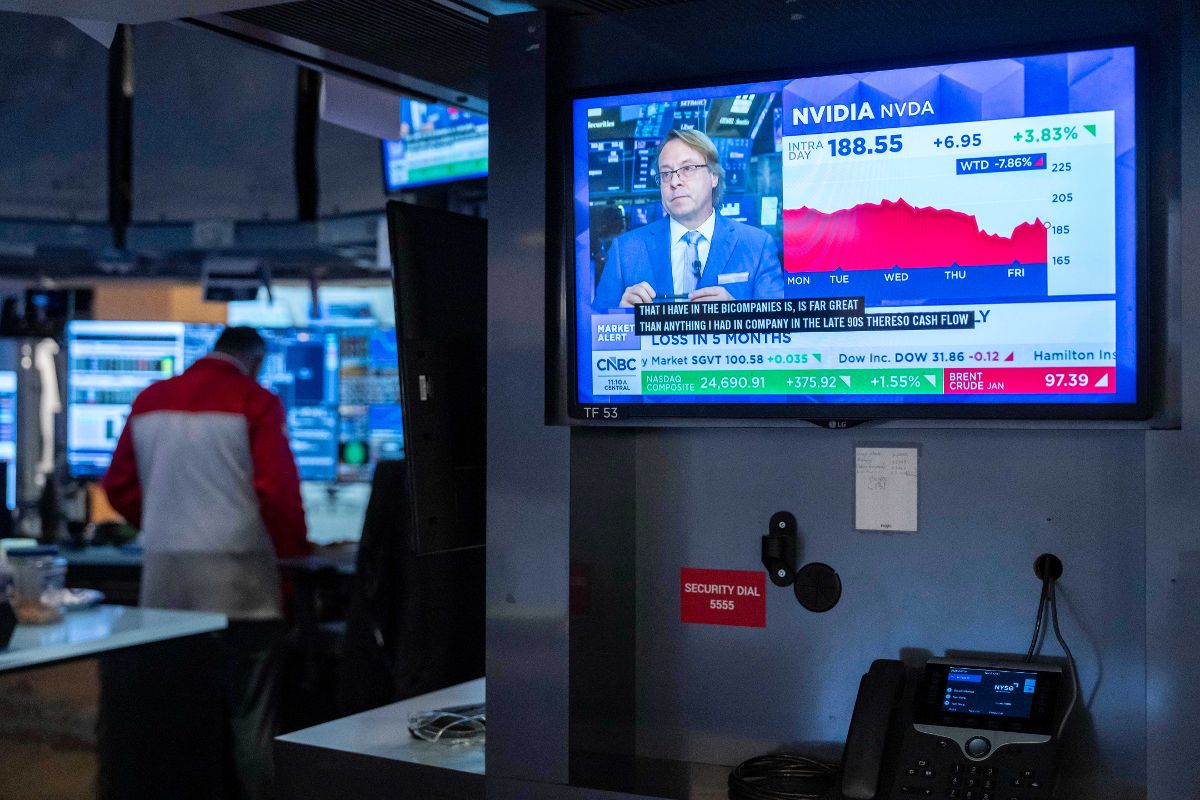
That’s even though the stock that became the face of the AI boom, Nvidia, fell 4.3%. The chip company said it’s investigating its CEO, Jensen Huang, after he acknowledged an intimate relationship with a business executive who, according to The New York Times, U.S. intelligence determined was gathering information for China.
Nvidia’s board said it has “no reason to believe” that either national security or Nvidia secrets were compromised but that its inquiry would examine all available information.
Guo Jiakun, spokesperson for China’s Ministry of Foreign Affairs, called the allegations “nothing but smears against China.”
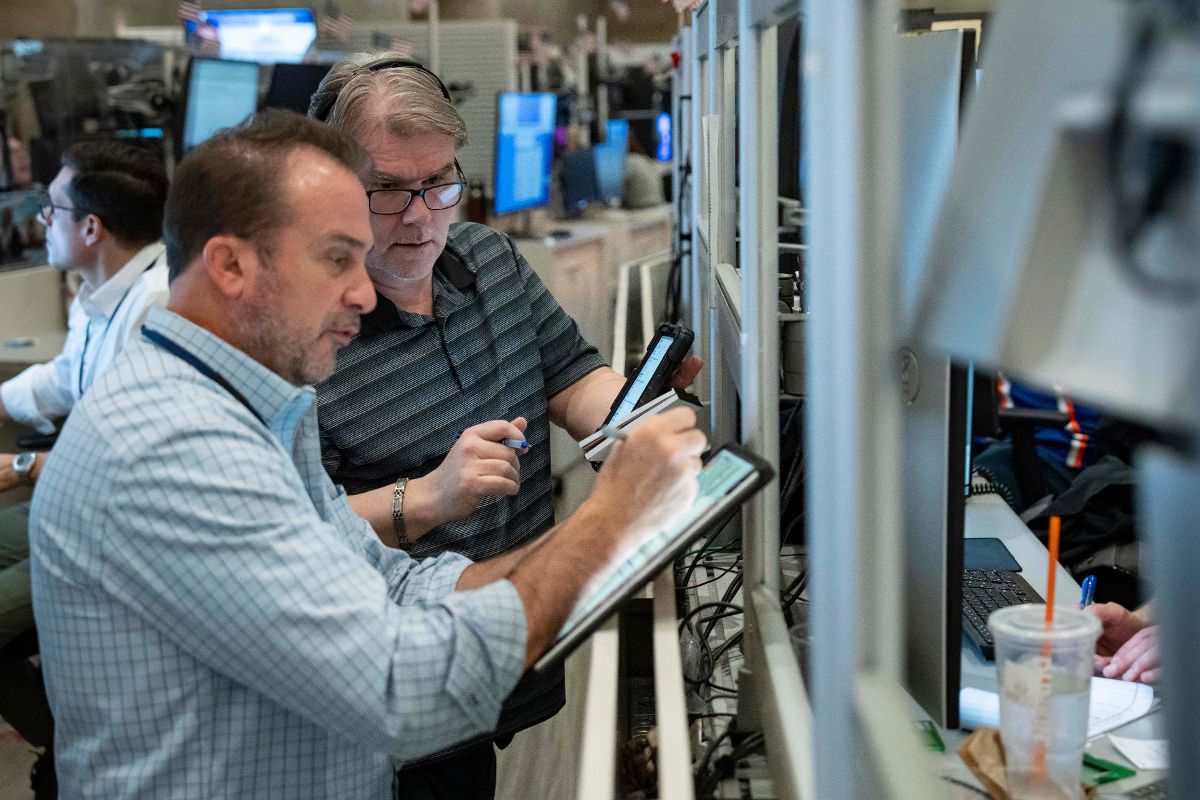
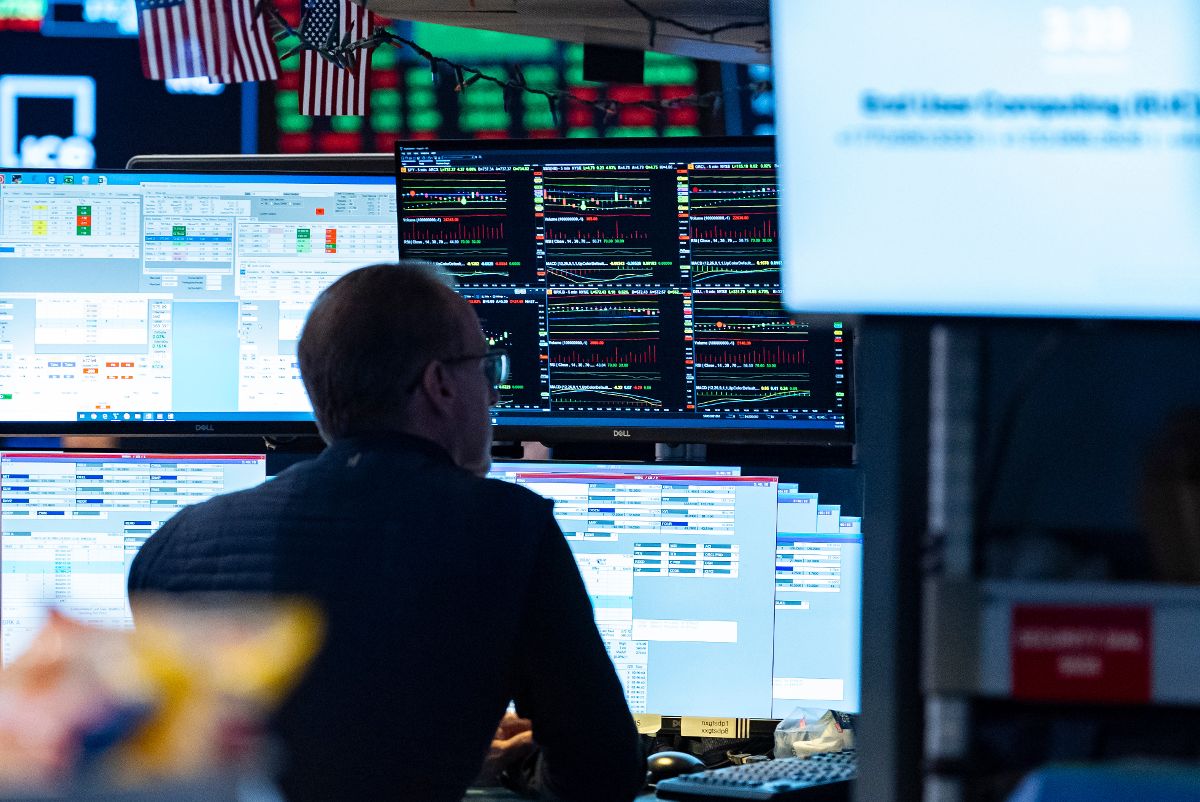
All told, the S&P 500 rallied 173.08 points to 7,549.94. The Dow Jones Industrial Average jumped 1,104.02 to 52,389.75, and the Nasdaq composite leaped 673.71 to 25,253.14.
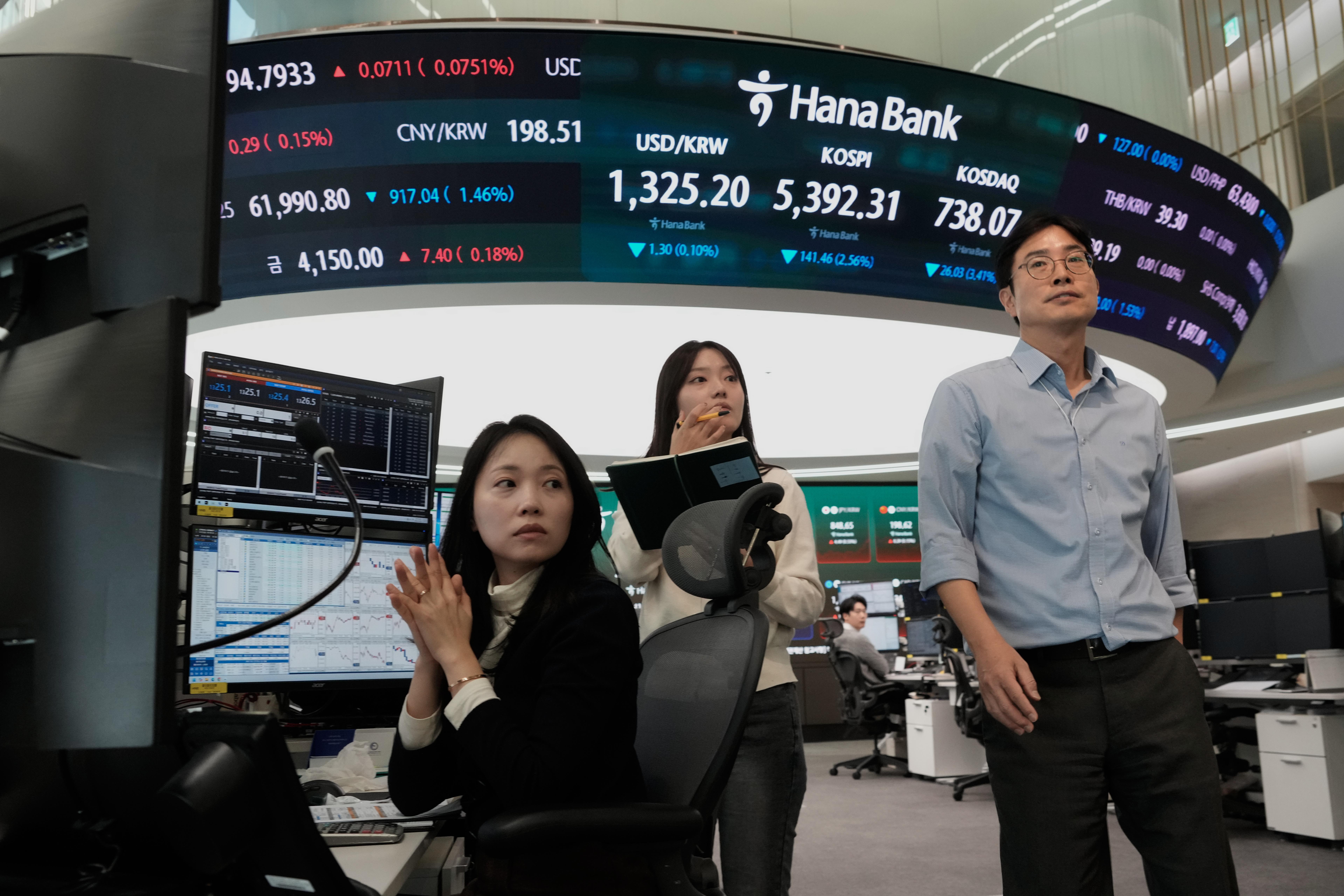
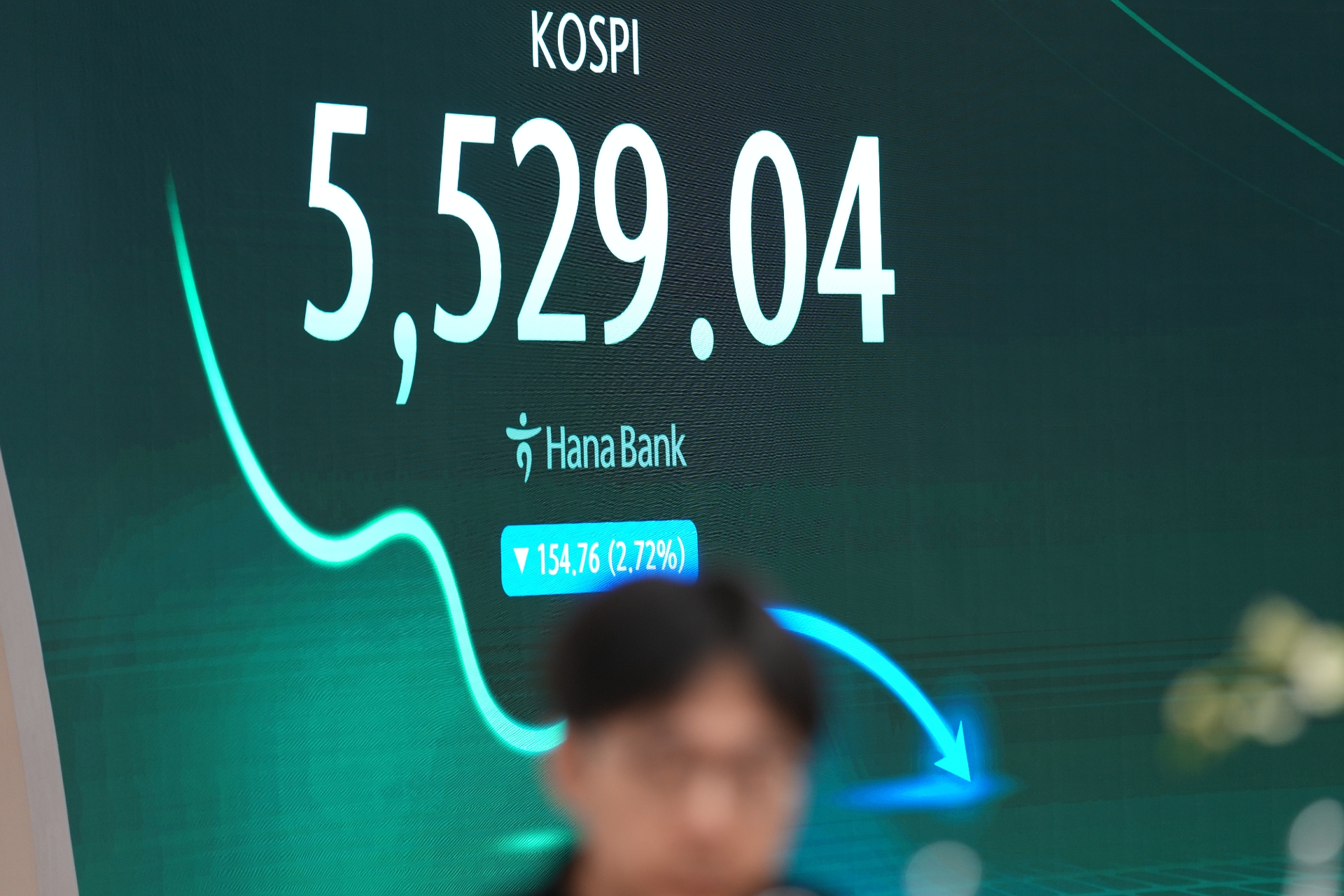
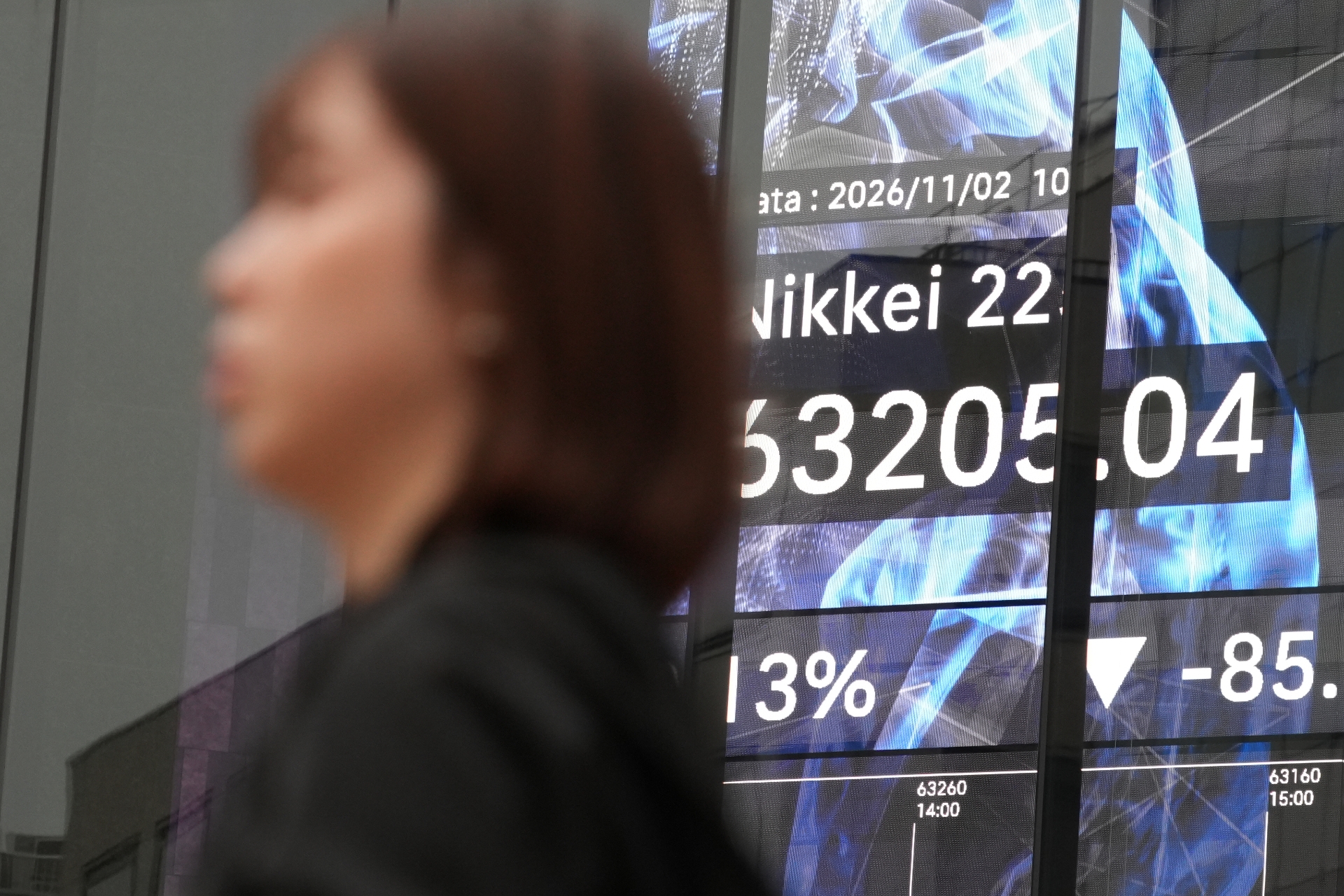
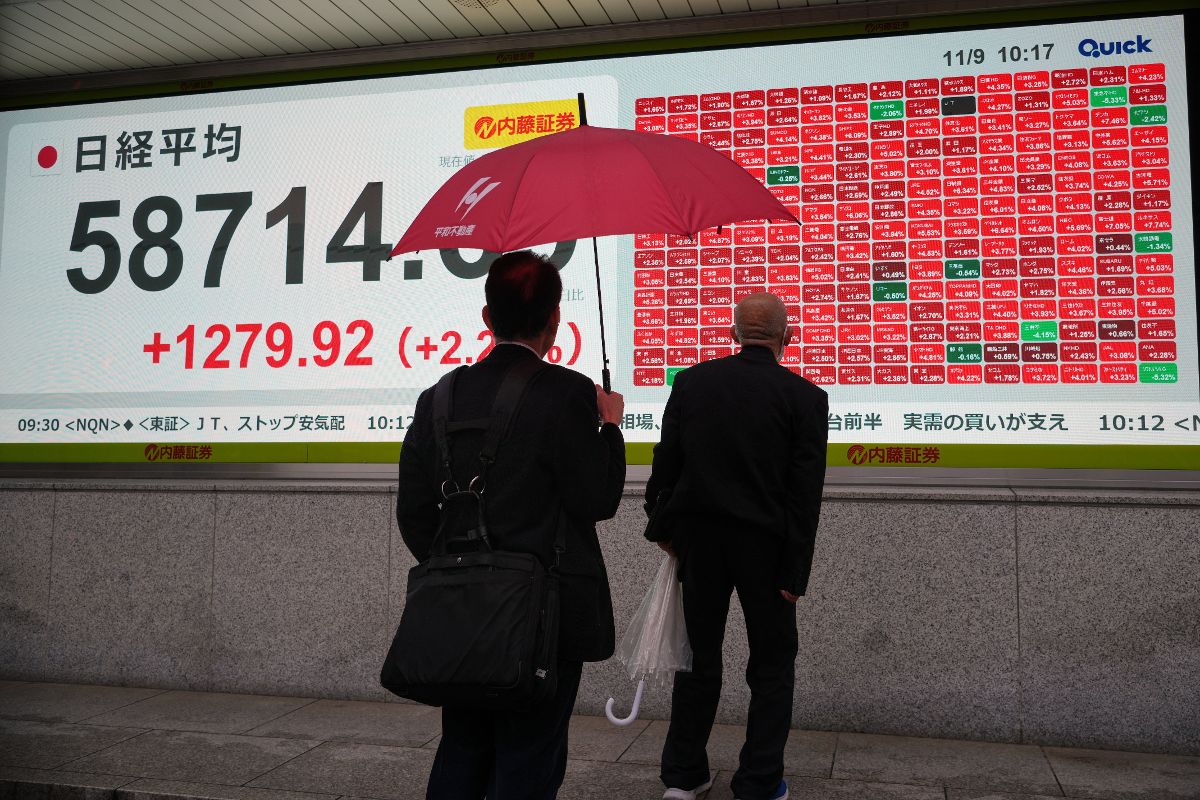
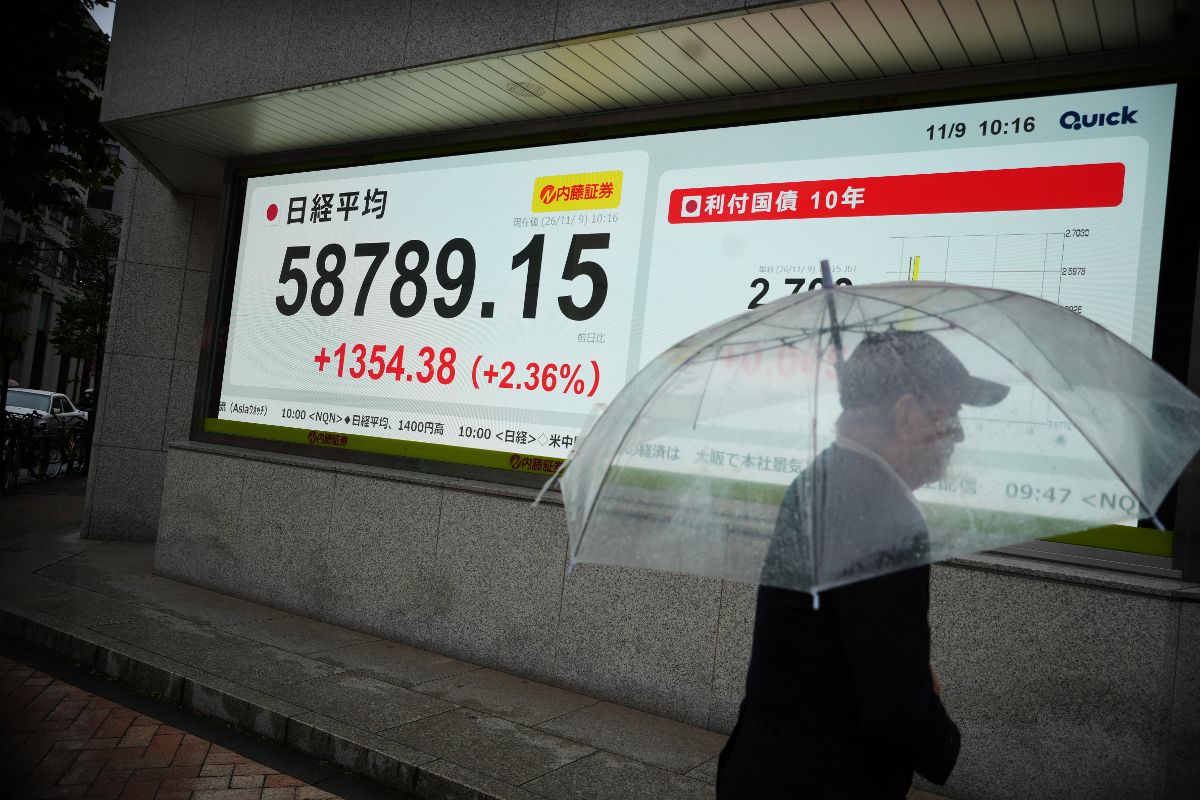
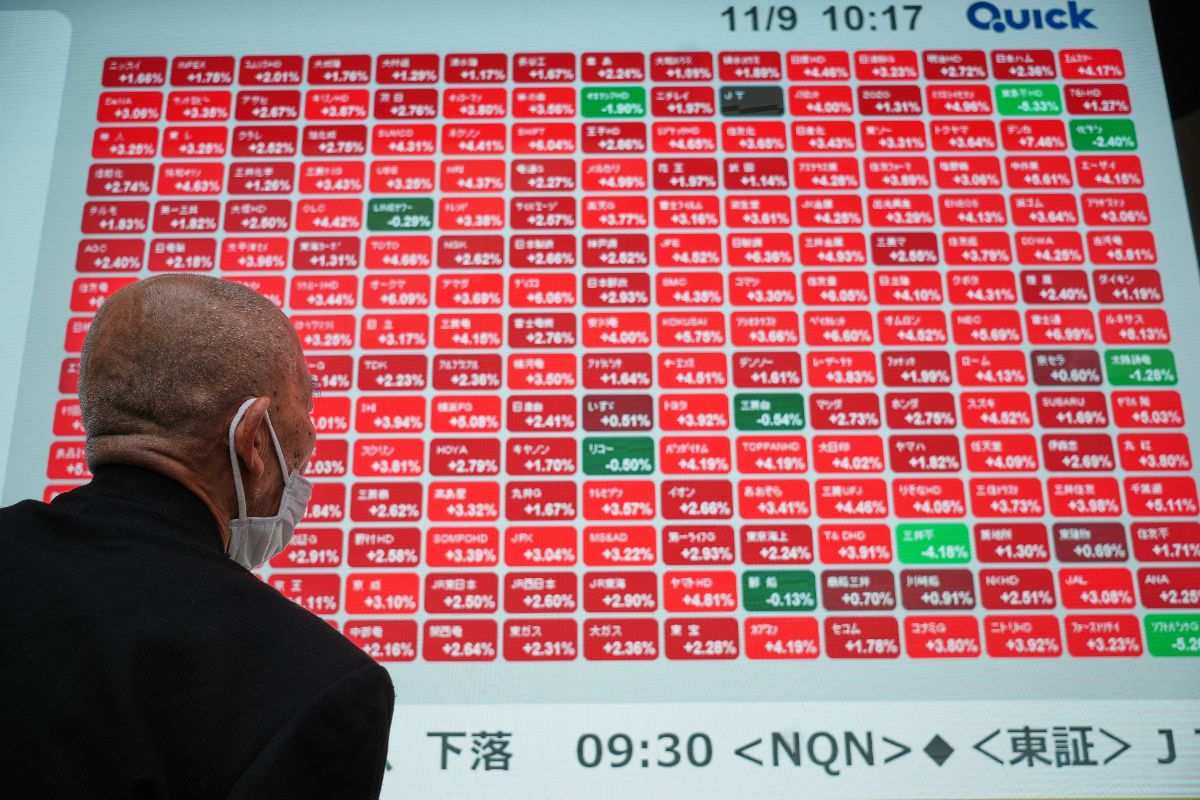
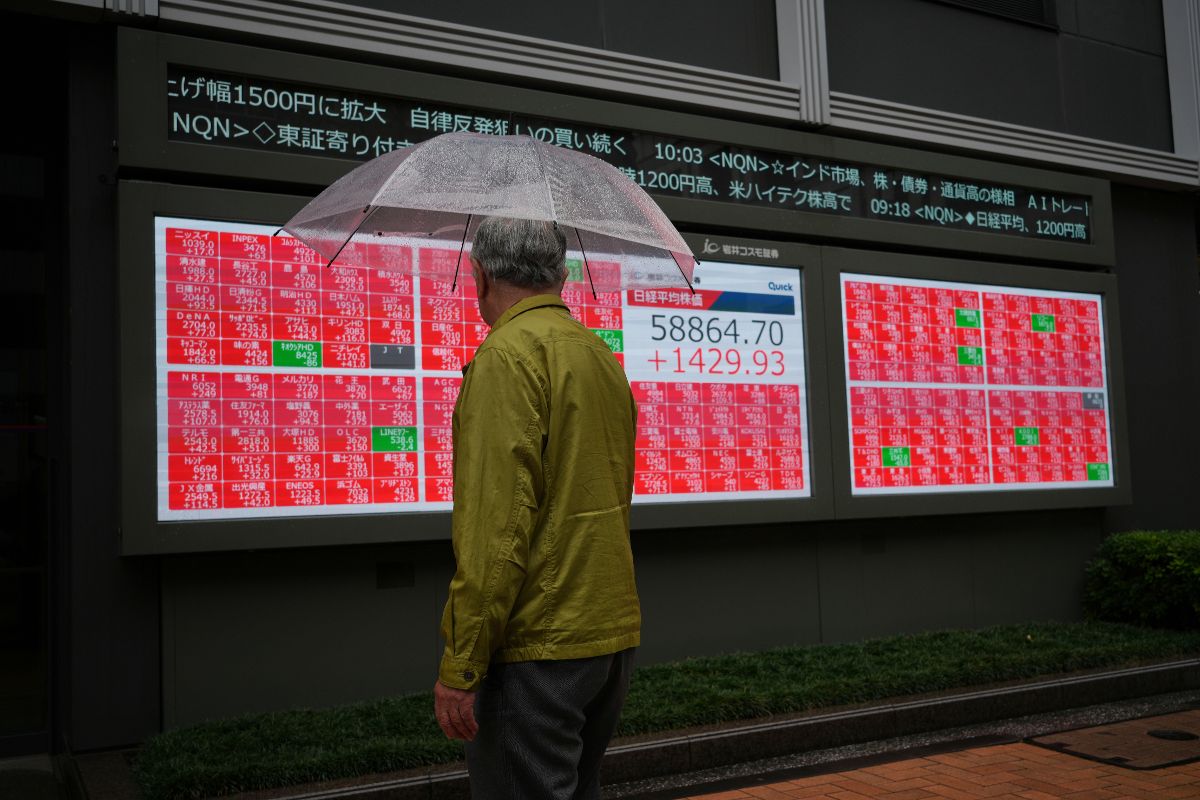
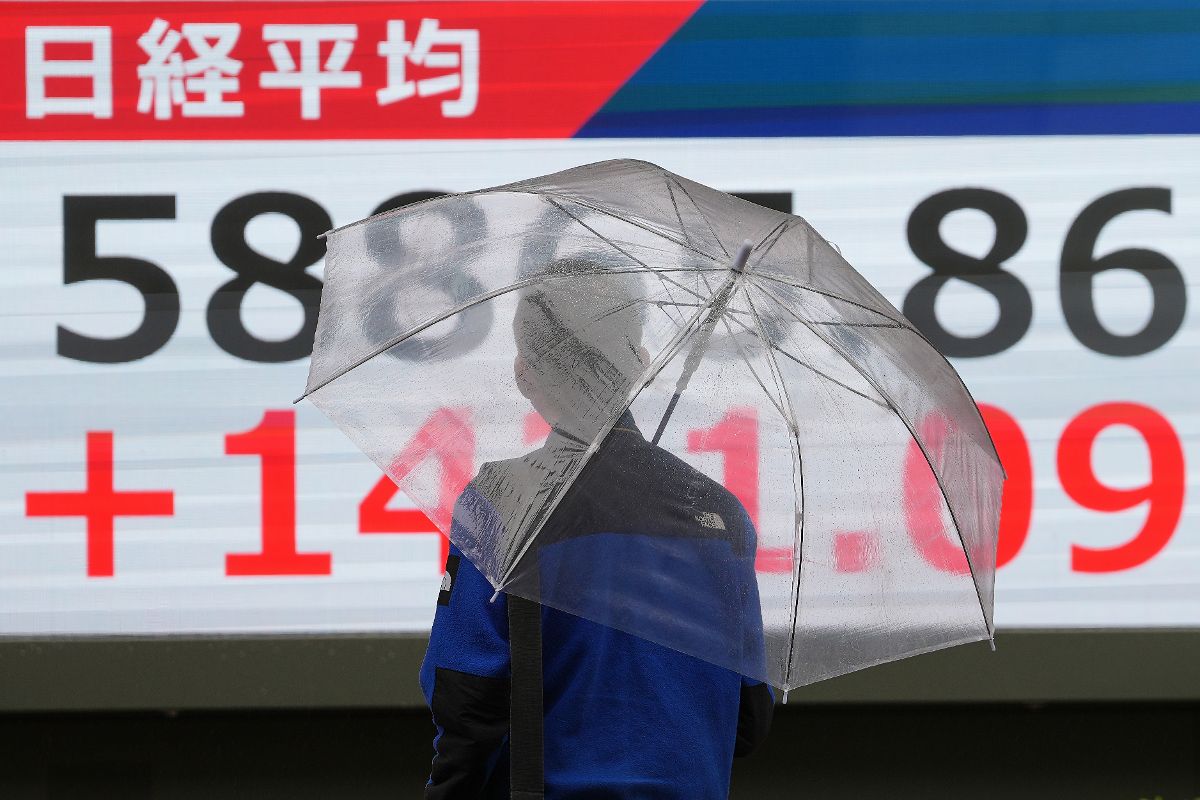
In stock markets abroad, indexes rose across much of Europe and Asia. France's CAC 40 rose 1.2%, while Japan's Nikkei 225 jumped 2.3%. Indexes in China and South Korea were not as strong, and Seoul's Kospi fell 0.8%.
In the bond market, Treasury yields held relatively steady following big moves last week. The yield on the 10-year Treasury inched up to 4.87% from 4.86% late Friday.
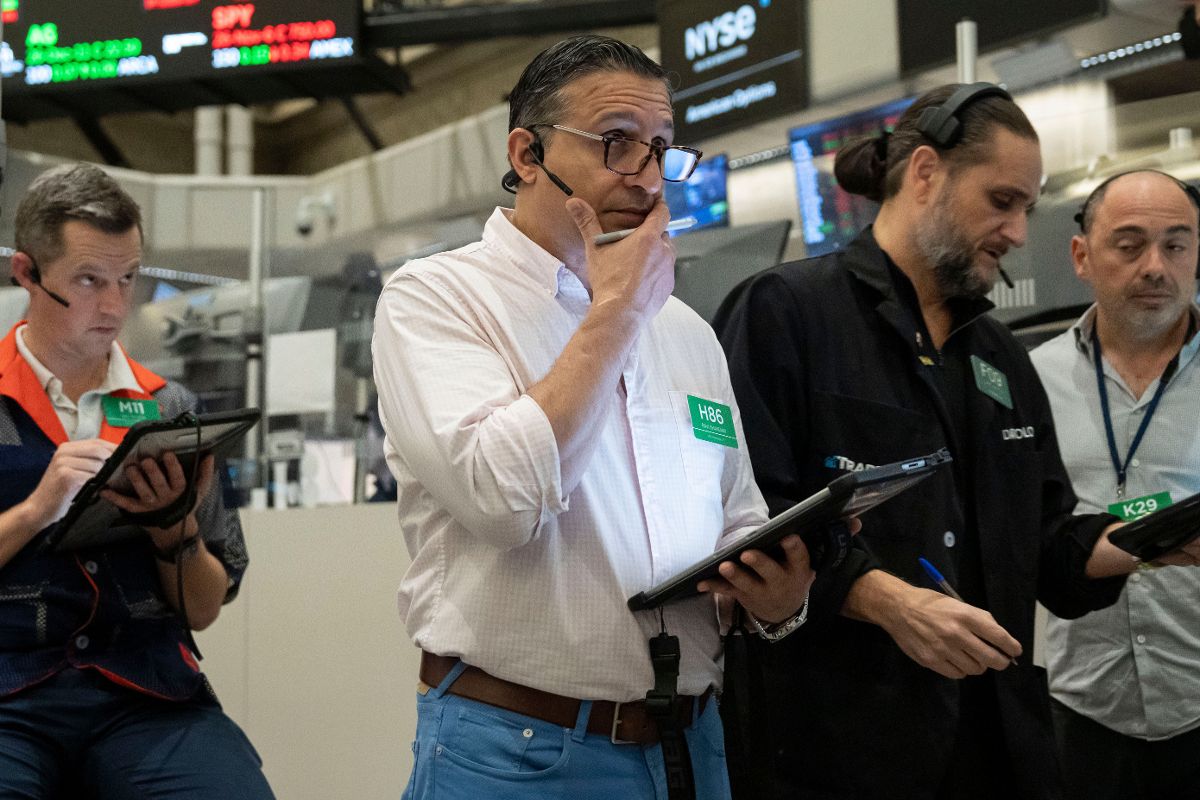
It remains well below a peak above 5.30% that it reached last month, when it touched its highest level in two decades on worries about high inflation and the U.S. government’s big debt, among other things. The pullback in Treasury yields over the last month has helped rates for mortgages and other kinds of loans to ease. It also gave a boost to prices for stocks and other investments.
___
AP Business Writers Michelle Chapman and Elaine Kurtenbach contributed to this report.