Florida carried out a record-tying 19th execution of the year in an unusual instance of three states administering the death penalty on the same day.
Jesse Guardado was pronounced dead at 6:13 p.m. following a three-drug injection at a state prison in Starke. He had pleaded guilty to fatally stabbing 75-year-old Jackie Malone inside her Walton County home in 2004 before stealing her jewelry box, $80 and other valuables to buy drugs. The woman had helped him get a job and housing.
Get The Latest News!
Don't miss our top stories and need-to-know news everyday in your inbox.
Hours earlier, Indiana executed a man for killing two children in a house fire in 2010, and in Alabama, a man was scheduled to die by injection later Thursday evening for his conviction in a fatal home robbery.
The executions were taking place the same day California Gov. Gavin Newsom announced he will commute all 548 death sentences in his state, saying that he believes “state-sanctioned killing is incompatible with California’s values."
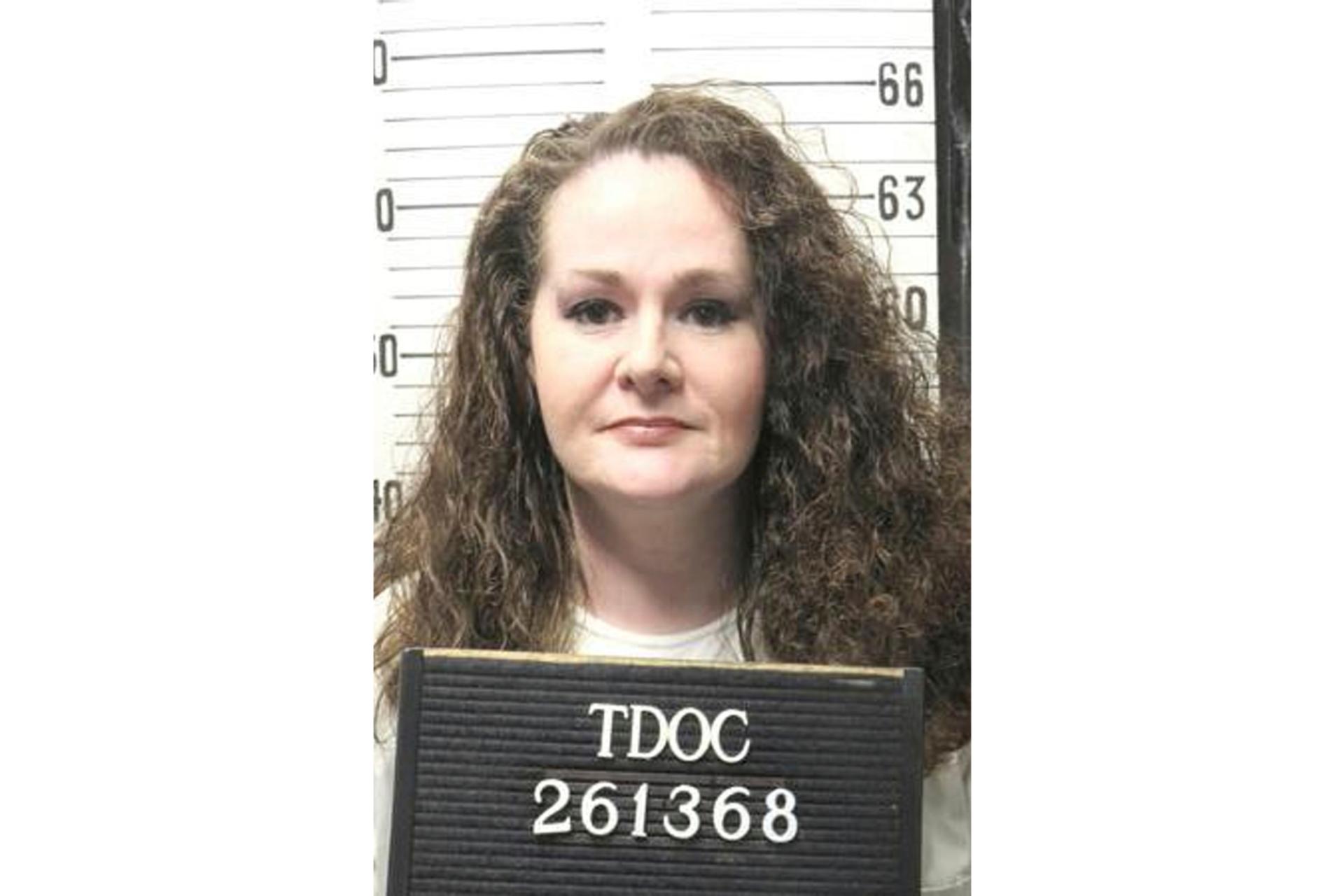
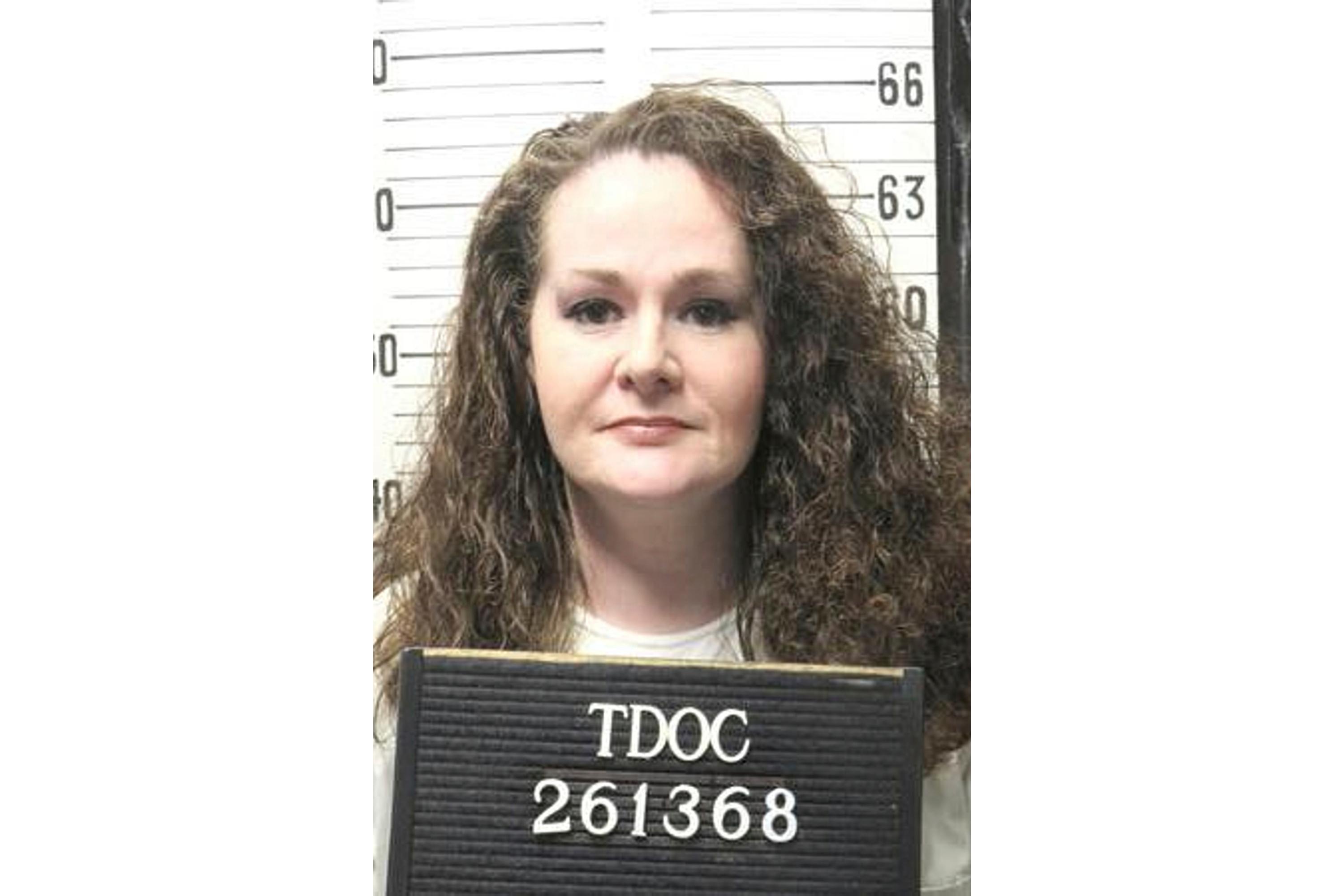
The announcement was a sharp contrast to Florida, where outgoing Republican Gov. Ron DeSantis has made aggressive use of the death penalty like few other governors. His state has carried out more than half of the 34 executions so far this year in the U.S., where capital punishment has come under renewed scrutiny following Tennessee's failed execution of Christa Pike in September.
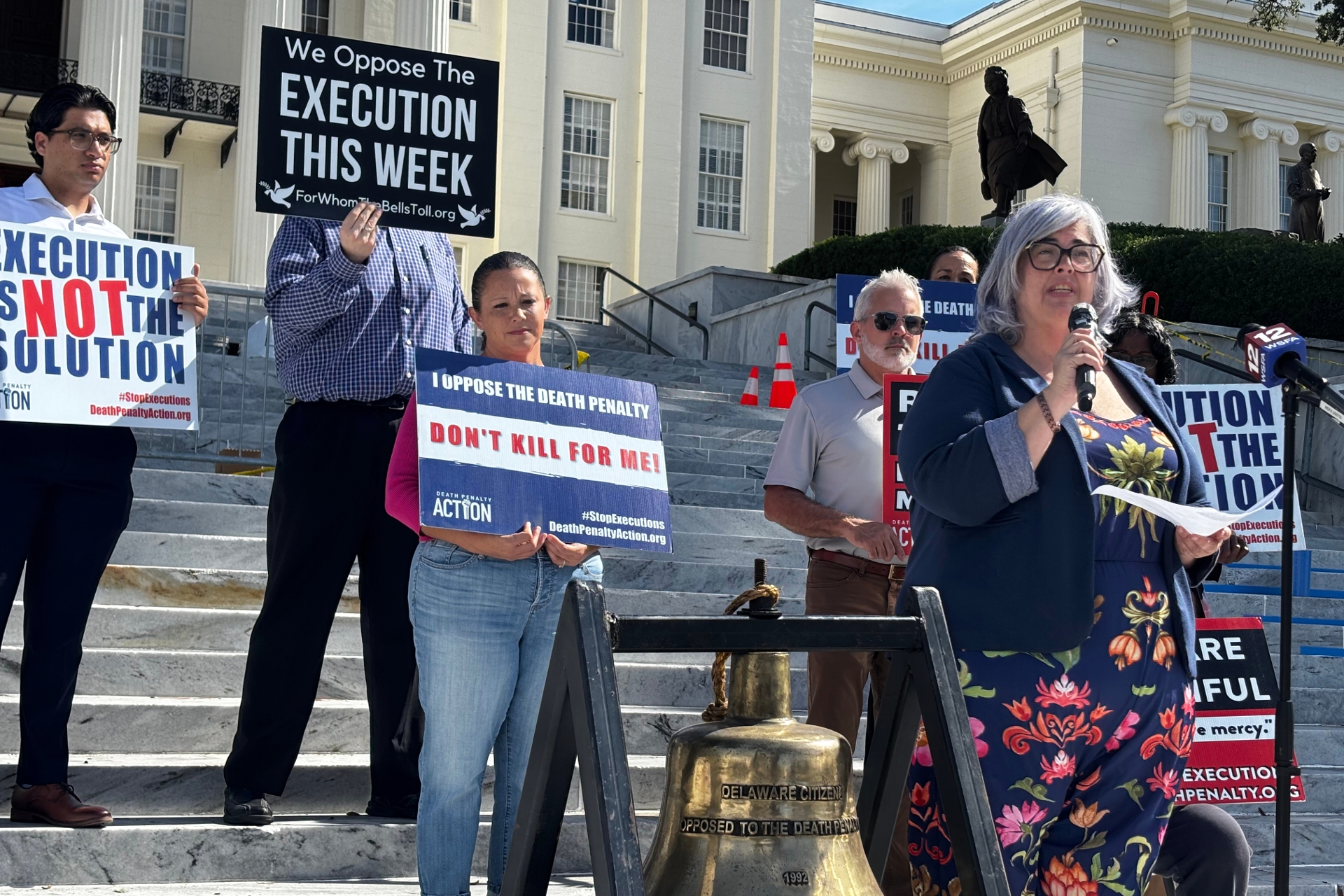
It is the second time since August that three states had organized executions on a single day, although it remains unusual. Prior to this year, the last time it happened was 2010.
Guardado, 64, was already strapped to a gurney with an IV in his arm when the curtain to the Florida death chamber went up promptly at 6:00 p.m. Asked if he had any last statement, he replied, “I would like to once again apologize for the pain and suffering I’ve caused to the victim’s family and my own family as well.”
The drugs began flowing immediately after that. About a minute later, Guardado began breathing heavily, followed by some sputtering and twitching for another minute. As the twitching subsided, the execution team warden shook Guardado and shouted his name, but got no response. A medic checked for a pulse soon after and pronounced Guardado dead.
A federal appeals court said in 2024 that Guardado received a “full and fair” hearing during the death penalty phase of his case. The U.S. Supreme Court denied his last appeal without comment earlier Thursday.
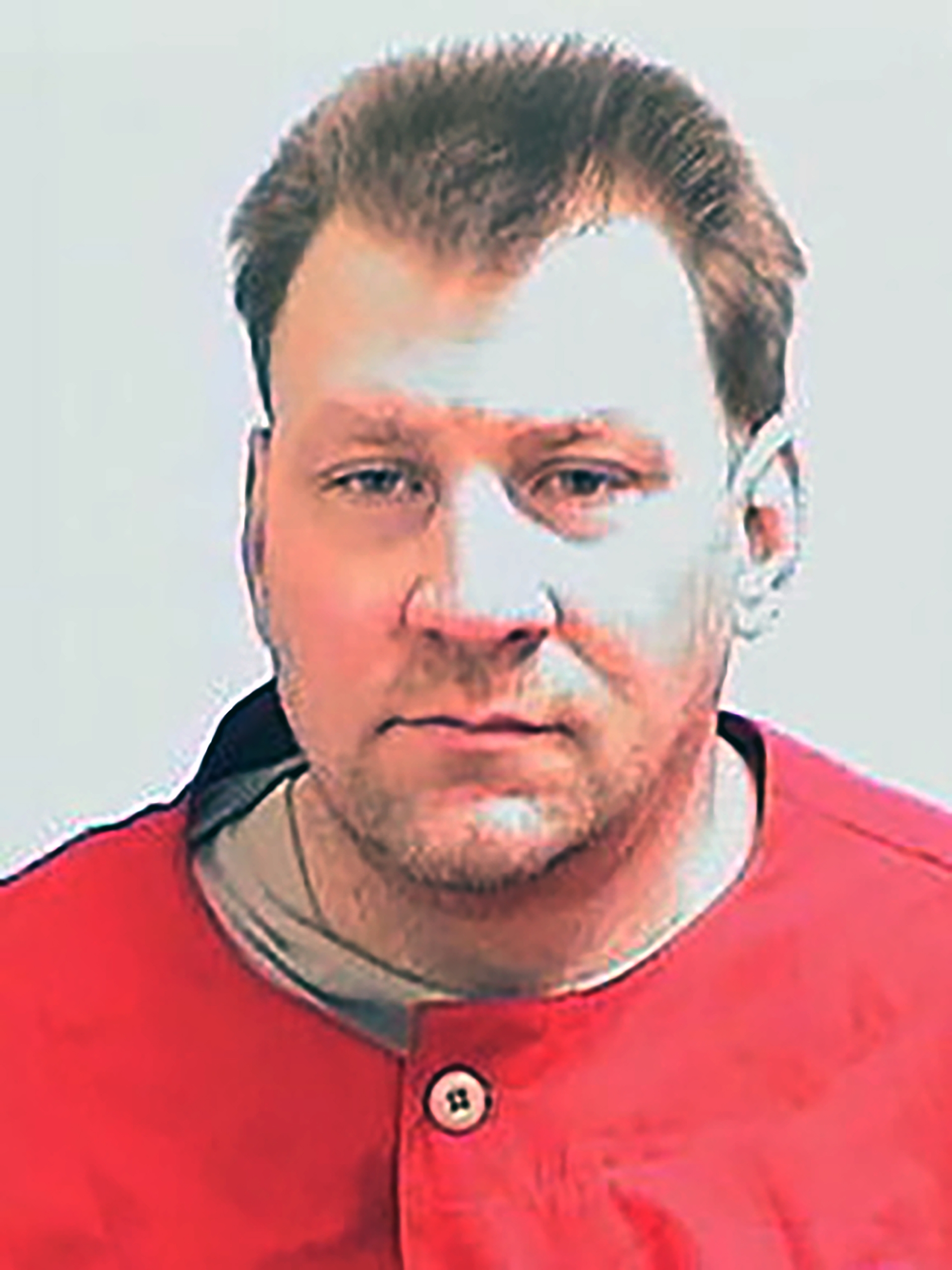
DeSantis, who leaves office in January, has said he wants to bring justice to victims' families who have often waited decades for death sentences to be carried out. He signed the death warrants that led to a state record of 19 executions in 2025. The state will set a new record if two more executions are carried out as planned later this year.
The victim’s son, Patrick Malone, spoke briefly to media witnesses after the execution. Instead of discussing his mother or her murder, he questioned those who oppose the death penalty.
“Do such people ever think about what happened to the victim or consider the unending aftermath the victim’s family endures and relives every time that terrible event comes up?” Malone said.
In neighboring Alabama, Michael Taylor, 54, was set to receive a lethal injection later Thursday. The state changed the execution method after a judge declared a nitrogen gas method unconstitutional.
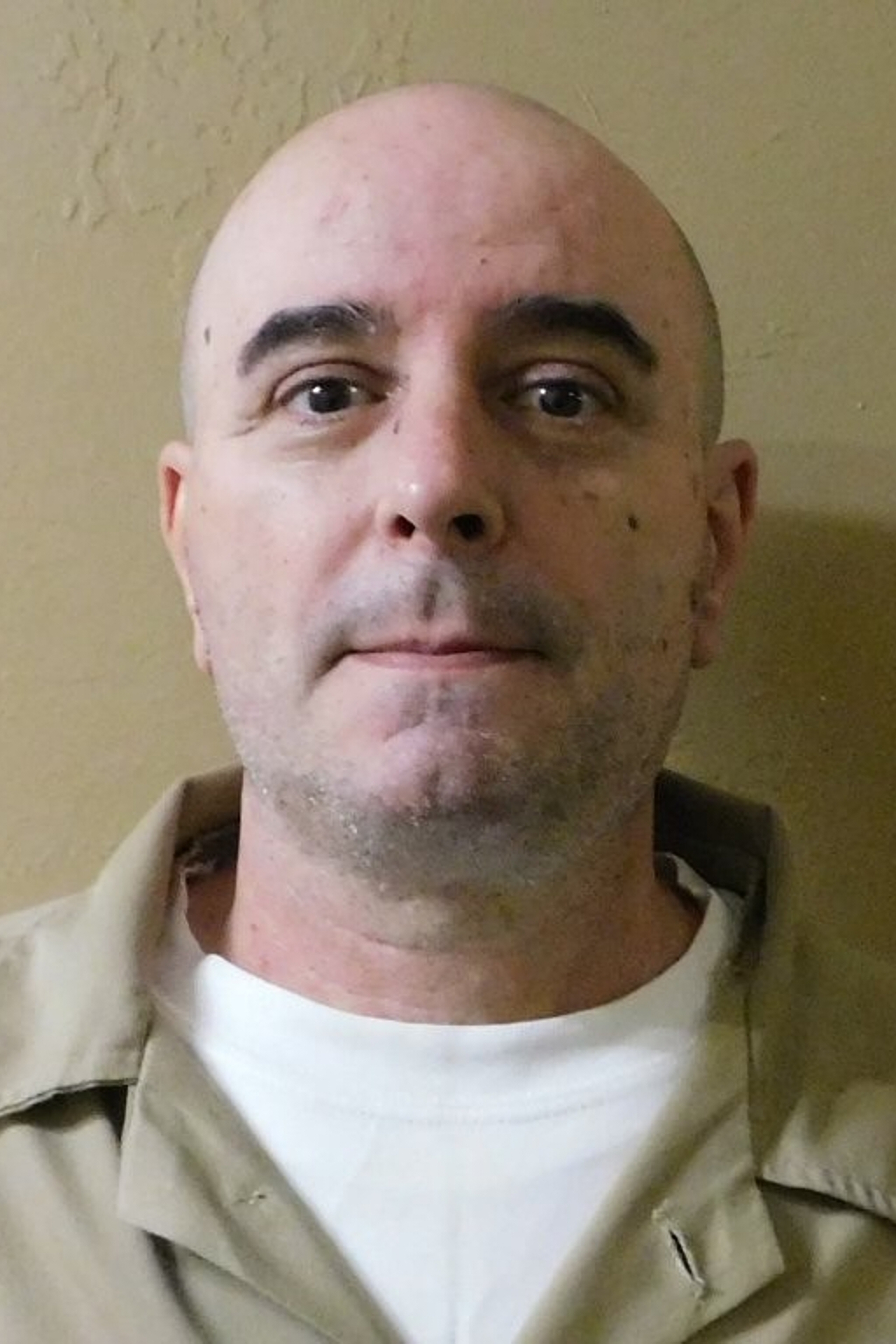
Taylor's attorneys objected to the last-minute switch to lethal injection since he selected nitrogen gas as his method years ago, but a judge ruled against Taylor.
In 1991, Taylor, then 19, fatally beat two people, ages 83 and 79, with a metal bar during a robbery in their Gadsden, Alabama, home. Police arrested him with the victims’ Cadillac an hour away in Birmingham.
Death penalty opponents had urged Republican Gov. Kay Ivey to reduce Taylor’s sentence to life in prison, noting his age and immaturity at the time. She declined.
In Indiana, Jeffrey Weisheit, 50, was pronounced dead at 12:45 a.m. at the state prison in Michigan City, said Noelle Russell, spokesperson at the Department of Correction. He had no final words.
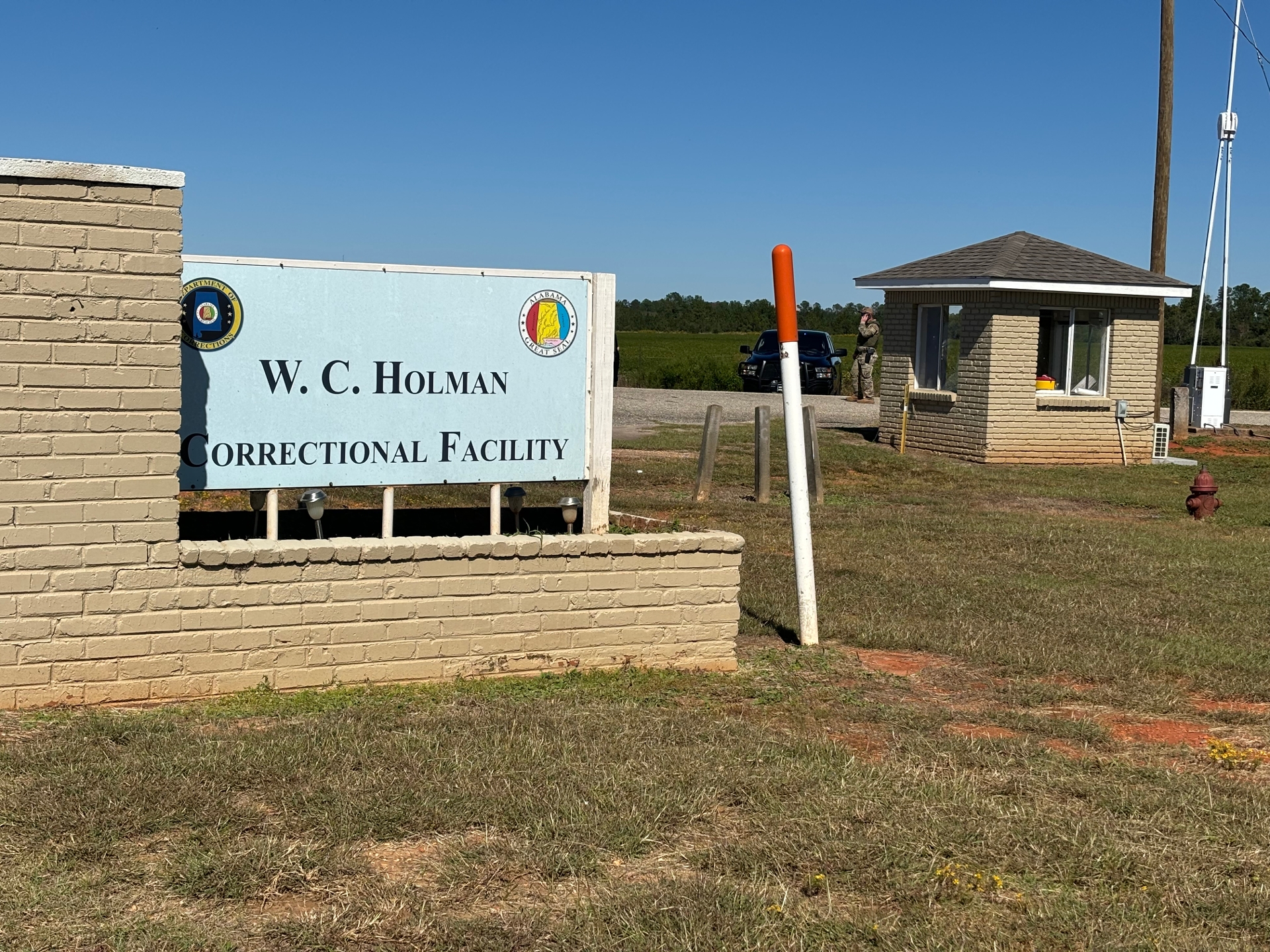
Weisheit had publicly acknowledged killing his girlfriend’s two children in a house fire in the Evansville area in 2010 but had hoped Gov. Mike Braun would grant clemency and change his sentence to life in prison. Braun declined.
Lawyers failed to persuade Braun, a Republican, to allow Weisheit to undergo brain scans in an effort to reinforce their argument that he has a history of head injuries and mental health problems that should prevent execution.
Weisheit's last objection centered on the state's planned use of lethal drugs purchased from a pharmacy that is facing a disciplinary hearing next week at the Indiana Pharmacy Board. The Indiana Supreme Court declined to intervene Wednesday night, though two of the five justices wanted a 10-day stay for more information about the drugs' expiration and storage.
The execution provided “long-awaited justice for Alyssa Lynch and her brother Caleb, two innocent children whose lives were stolen in an act of unspeakable cruelty," Indiana Attorney General Todd Rokita said.
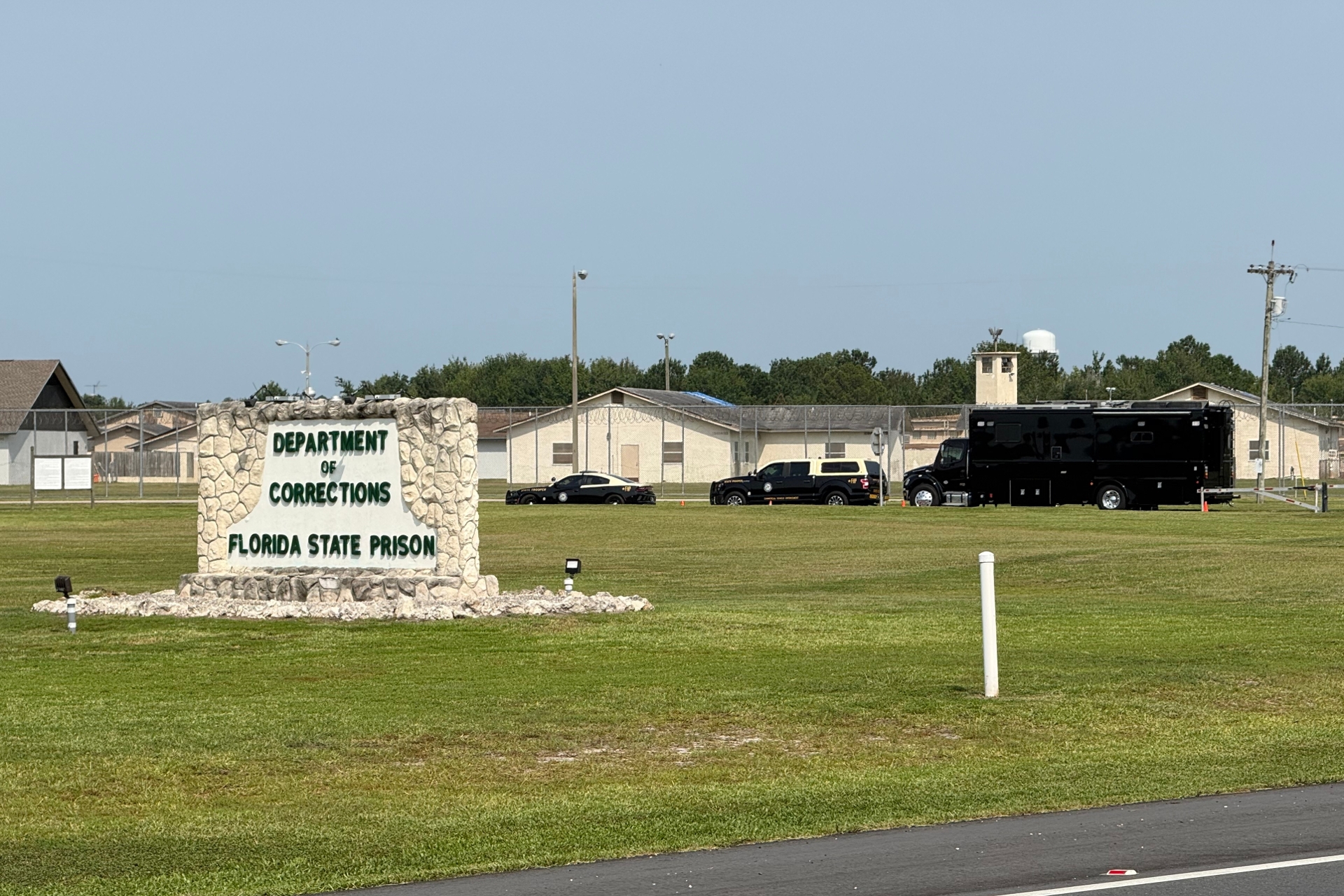
Americans have long been divided over the death penalty, with nearly half of states banning capital punishment outright and just a handful of others carrying out most of the nation’s executions each year.
____
This story has been updated to correct that Christa Pike's failed execution was in September, not October.
____
Fischer reported from Starke, Florida, and Chandler from Montgomery, Alabama. Associated Press reporter Ed White contributed from Detroit.