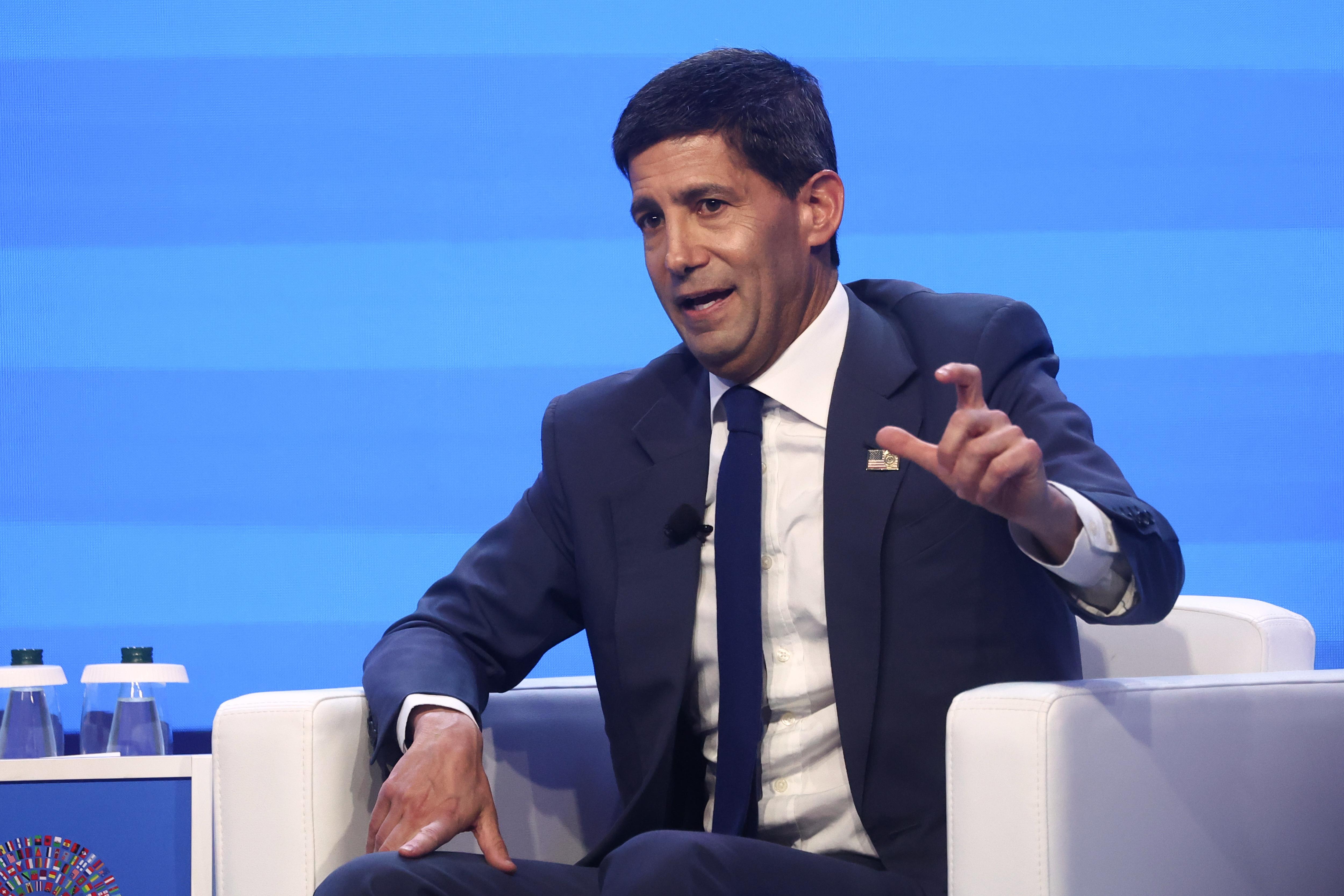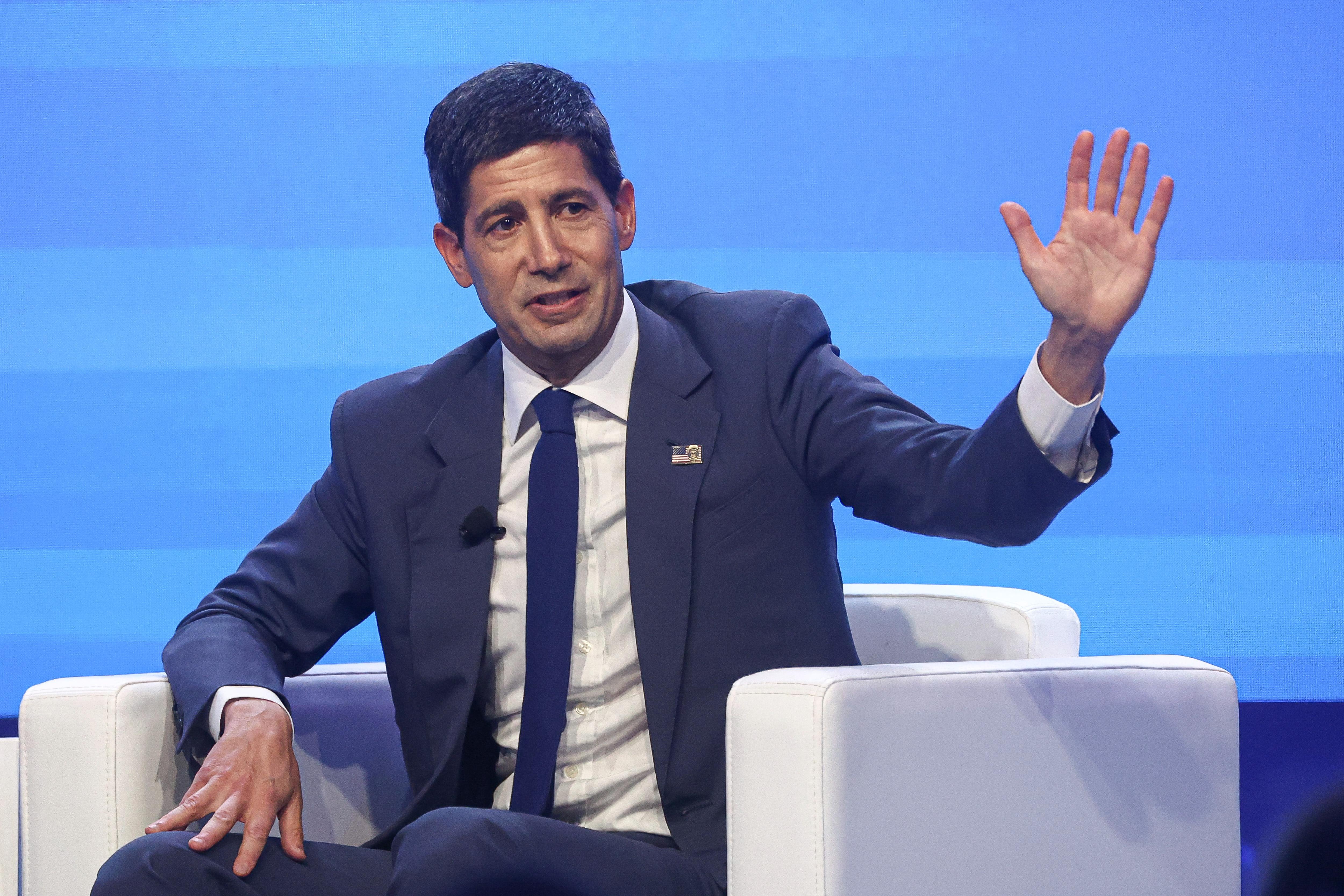
WASHINGTON (AP) — The Federal Reserve kept its key rate unchanged Wednesday at about 3.9% despite stubbornly high inflation, as Chairman Kevin Warsh suggested its policies are already showing signs of having an impact.
“Inflation remains elevated,” the Fed said in a statement released after its two-day policy meeting. Holding off on an increase will allow “the accumulation of more information” that will help determine what policy the Fed should pursue “to ensure a timely return of inflation” to the central bank’s 2% inflation target, the statement said.
Get The Latest News!
Don't miss our top stories and need-to-know news everyday in your inbox.
The Fed raised its benchmark rate last month for the first time in three years, defying President Donald Trump’s demands for rate cuts, in an effort to cool inflation more quickly. The Fed is tasked by Congress to combat inflation, and it does so by lifting rates to slow borrowing and spending and reduce price increases.
Michael Reynolds, vice president of investment strategy at Glenmede, a wealth management firm, said the statement suggested the central bank will likely hike its key rate by a quarter-point at its next meeting Dec. 8-9. Wall Street investors now see the odds of an increase then at nearly 85%, according to CME Fedwatch.
“It's likely going to take one more (hike) from the Fed to get interest rates into restrictive territory,” where they can slow inflation, he said.
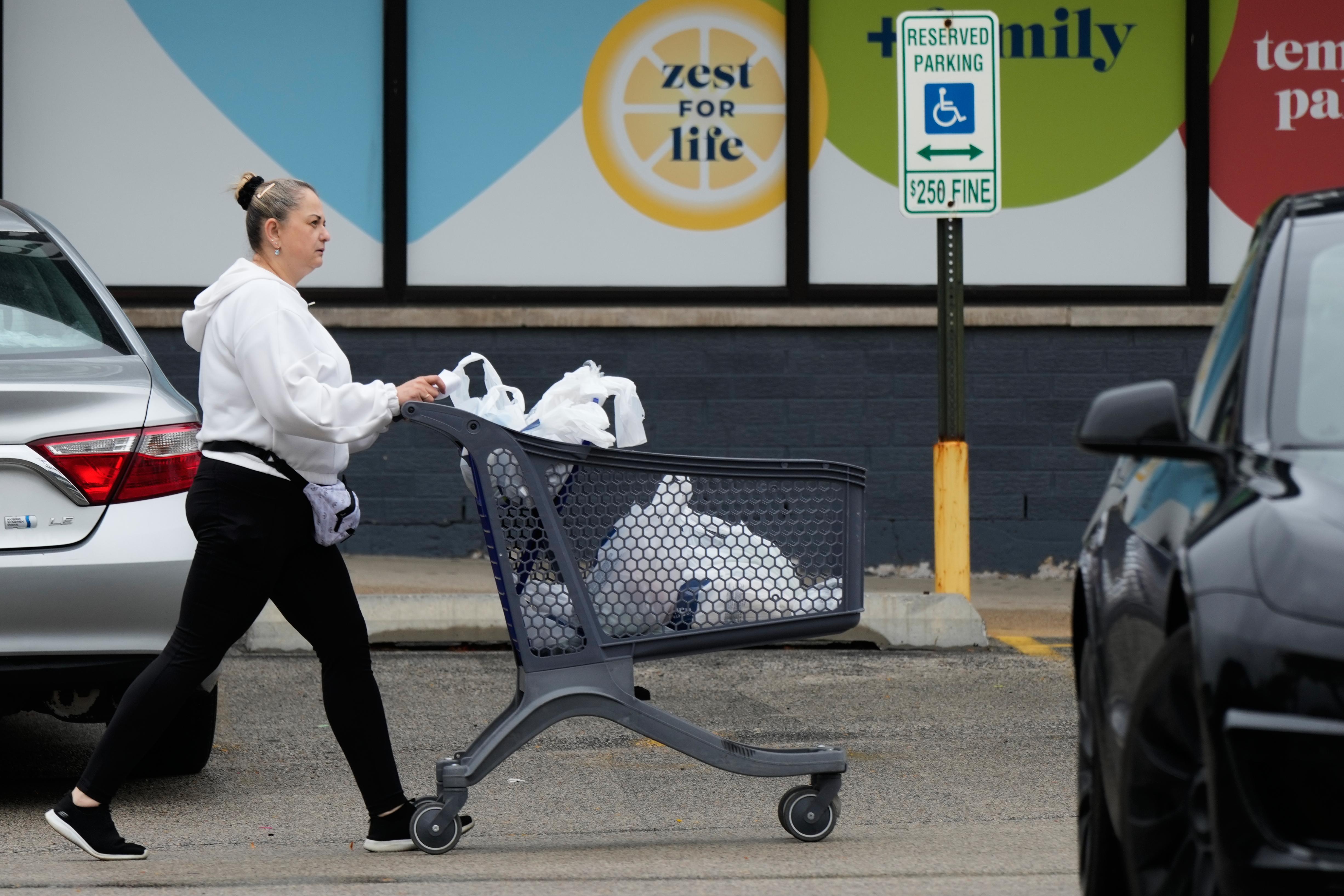
The Fed’s decision comes just six days before a midterm election that has focused heavily on concerns around the cost of living and affordability. Consumers have generally soured on an economy weighed down by more expensive gas, groceries, and clothing, among other items. Warsh denied the election played a part in the Fed’s staying pat.
“Politics played no role in the decision," he said at a news conference following the announcement. “I just spent two days with my colleagues upstairs. I didn’t hear an utterance about politics.”
Warsh faces plenty of challenges in getting inflation back to target. Some of the forces pushing up prices — specifically the rapid buildout of artificial intelligence infrastructure and higher energy prices — may not be easily tamed by higher interest rates.
Still, Warsh said the “overwhelming consensus” among Fed officials is what they’ve done “is starting to work some,” noting that credit conditions “tightened for some businesses and households.”
He said specifically that as large tech firms rely more on borrowing to build data centers, higher rates will have a greater ability to cool that investment.
“Do interest rates matter?” Warsh asked. "I believe they do, and I don’t think they’re divorced from the rest of the economy.”
Parts of the economy are being hit by higher rates, which were lifted by market forces, even before the Fed hiked last month. The average 30-year mortgage rate reached a three-year high of 7.4% earlier this month, though it has since slipped a bit. Higher mortgage rates have made buying a home unaffordable for 5 million more Americans since the beginning of the year, according to Oxford Economics, a consulting firm. Over time, Fed rate hikes can make mortgages, auto loans, and credit card borrowing more expensive, adding to Americans’ sense that things like homes and cars are getting pricier.
A separate inflation measure more closely followed by the Fed, the personal consumption expenditures price index, comes out Thursday and is forecast to have jumped 3.6% in September from a year earlier, up from 3.4% in August. Core prices, which exclude the food and energy categories, are forecast to have risen 3.1%, up from 3% the previous month. Earlier this month, the consumer price index showed inflation picked up in September, when consumer prices rose 3.7% compared with a year earlier.
Warsh denied that consumers would lose faith in the Fed’s ability to get inflation back to its 2% target, given its decision to forgo a rate hike.
“There is no soft inflation target," he said.
Two Fed officials dissented from Wednesday’s decision, with Fed governor Lisa Cook and Federal Reserve Bank of Cleveland President Beth Hammack voting in favor of hiking rates by a quarter point. This is Cook’s first dissent since she was appointed to the board by President Joe Biden in 2022.
Cook has been targeted by the Trump administration, which tried to fire her last year, though the Supreme Court in June ruled she could keep her job while litigation played out. No president has fired a Fed governor before, a sign of the Fed’s longstanding independence from day-to-day politics. Trump renewed his attempt to remove Cook last month by setting up a committee to look into allegations Cook committed mortgage fraud, which she has denied.
President Trump has also slammed the Fed for raising its key rate last month, though he largely blamed the central bank's rate-setting committee, rather than Warsh, whom he appointed.
The Fed's policy meeting is part of a busy week for central banks around the world. The Bank of Canada met earlier, and lifted its key rate a quarter point, to 2.5%. Policymakers at the European Central Bank and the Bank of Japan are both scheduled to meet Thursday and are expected to keep their key rates unchanged.
For Warsh and the Fed, another key consideration is that the U.S. economy is growing at a healthy pace and unemployment remains low, at 4.2%, even if hiring is also sluggish. Warsh said growth in the July-September quarter likely rose above 3%. That would be up from 2.2% in the April-June quarter.
Many economists argue that solid growth is evidence that interest rates aren't particularly high and the economy could withstand higher rates to combat inflation.