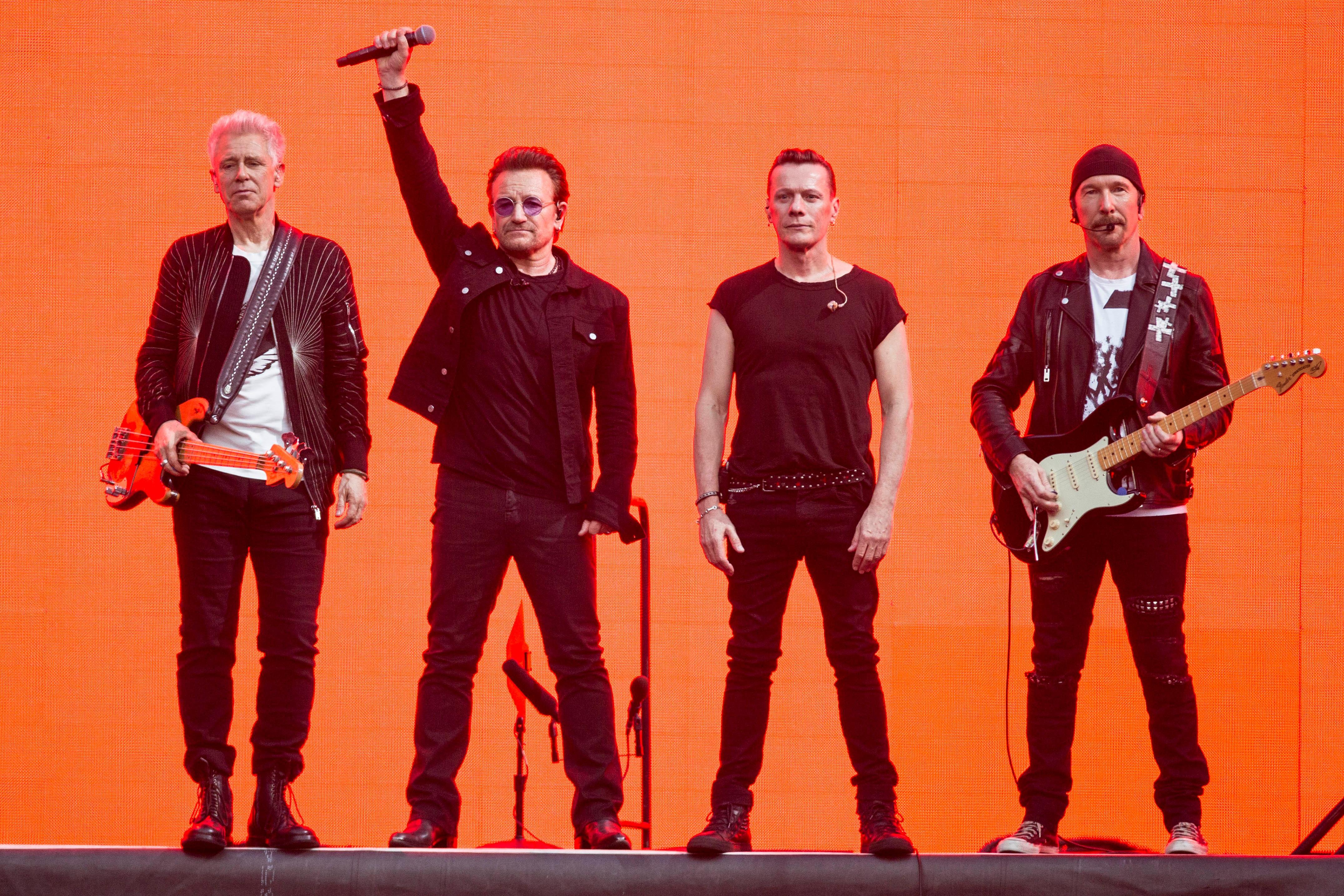
LOS ANGELES (AP) — For years after the death of frontman Chester Bennington, members of Linkin Park weren't sure if the band would — or should — continue to exist. The new documentary “Linkin Park: Unshatter” takes fans inside the uncertainty, grief and creative risk behind their return, including raw footage of early recording sessions, conversations and experimentation that eventually led to Emily Armstrong joining the group.
Formed in Agoura Hills, California, in 1996, Linkin Park became one of the defining rock bands of the 2000s by fusing alternative metal, hip-hop and electronics. The band skyrocketed to global fame with its diamond-certified 2000 debut, “Hybrid Theory,” followed by “Meteora,” built around the distinctive interplay of Mike Shinoda’s rapping and Bennington’s soaring vocals.
Get The Latest News!
Don't miss our top stories and need-to-know news everyday in your inbox.
After Bennington died by suicide in 2017, following the release of “One More Light,” the band faced an uncertain future. Linkin Park returned in 2024 with Armstrong as co-lead vocalist, releasing “From Zero” and embarking on a new run of world tours.
In an interview alongside Armstrong and DJ and creative director Joe Hahn, Shinoda says he never wanted to predetermine what a return would look like — or even whether it would still be Linkin Park.
“Emotional stuff aside, which was very heavy … I was like, ‘If we ever were to do it again, I wouldn’t want to assume that it had to be a guy.’ I wouldn’t want to assume it has to be who somebody who’s sang like Chester. I wouldn’t even want to assume it had to be one person, like maybe we go tour and just play with multiple vocalists or maybe it’s not Linkin Park, maybe it’s something else, I don’t know. Like I just wanted to keep my mind open to all the things.”
When Shinoda met Armstrong — lead singer and co-founder of the band Dead Sara — in 2019, he had a feeling she was someone the others needed to meet.
“I was like, ‘Oh, I got it. She has to meet the band. Like I have to introduce them because she’s cool. I love how she sings.’ I had a gut feeling that would have to happen,” he said.
For Armstrong, watching the footage in the documentary — now in theaters and co-directed by Hahn and Mark Ritchie — offered a glimpse at how much she was taking in during those early encounters with the group.
“I feel like I look a lot more confident than I actually was. There was so much going on in my head, having to step up to the plate, right? When you’re doing that, there’s so many adjustments that are happening,” she said. “So you’re singing a different way and you’re working with a band and people that have opinions of, ‘OK, try this, try this.’ You’re not used to that, right, and so you’re adjusting a lot.”
“It definitely was a creative risk, and we knew that to begin with, I think,” she said. “We don’t know if people are going to take to it, but we know that we love it.”
Hahn said the process of making music again was also part of the band’s healing.
“I think we were able to lean on each other and be open just to start healing, and then with that you give each other encouragement, too, like, ‘Hey, you’re good at this. … Don’t worry about that, we’ll figure that part out later.’ ”