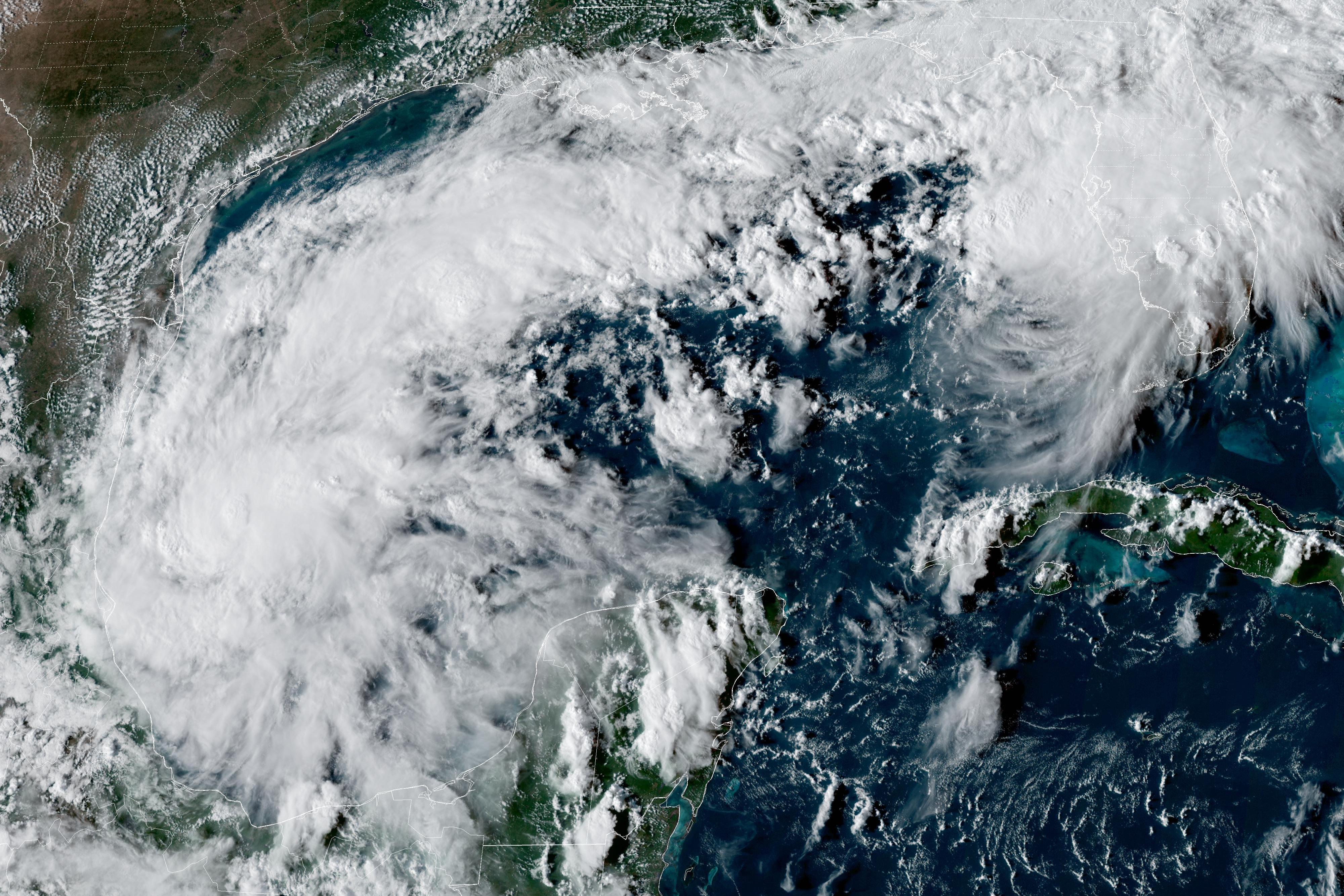
Before a big weather event even happens — like a hurricane, flood, or snowstorm — government officials in the United States have the power to call for a state of emergency, a fast-track way to free up resources to help with public safety during an anticipated natural disaster.
In a state, a governor usually signs an executive order that names the area expected to be affected by the pending severe weather. The order gives emergency management agencies the go-ahead to work up disaster response plans and delegate responsibilities.
Get The Latest News!
Don't miss our top stories and need-to-know news everyday in your inbox.
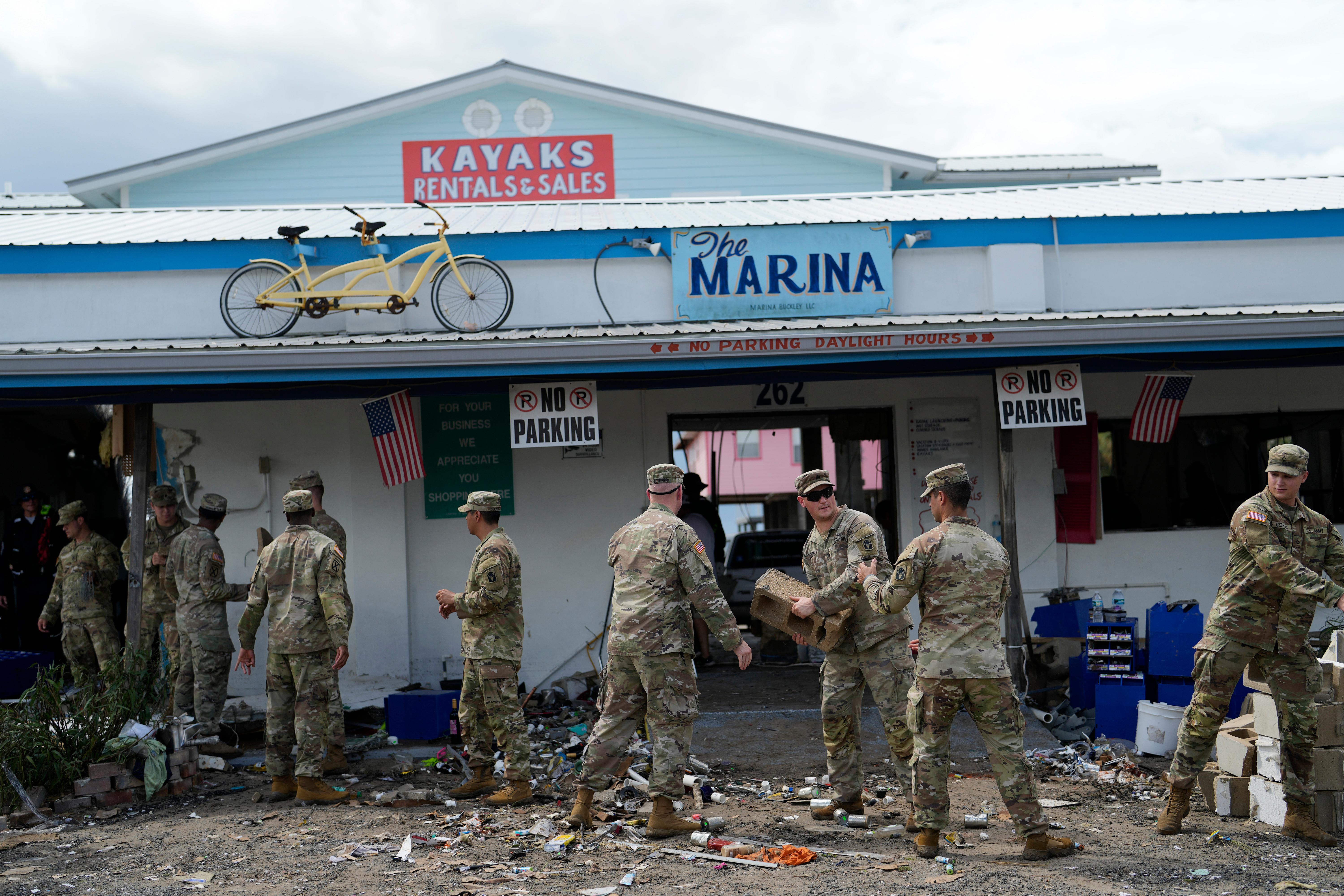
Agencies that can be called into action, for example, include the National Guard for searches, rescues and overall security, the highway patrol to enforce road closures, and the health department to provide emergency medical services.
The declaration allows the state agencies to provide direct assistance to local governments. It suspends state rules and regulations that could interfere with emergency plans. And it allows for a state to form agreements with other states to seek help.
It’s also a necessary first step for the state to ask the federal government for financial aid through the Federal Emergency Management Agency. The president of the United States can issue a disaster declaration based on a governor’s request and FEMA damage assessments.