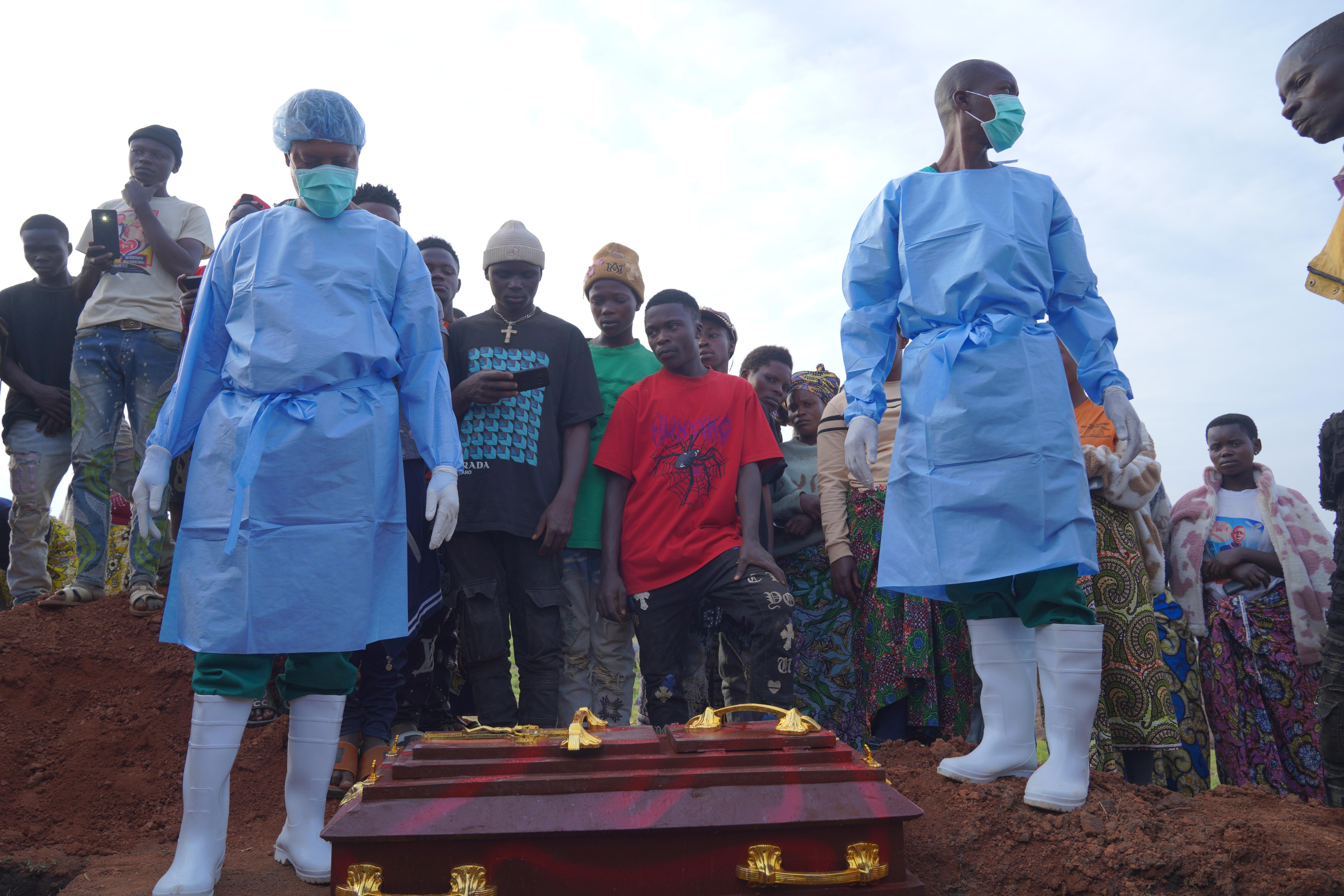
BUNIA, Congo (AP) — Parents and teachers at the epicenter of Congo's fast-moving Ebola outbreak are urging authorities to delay the reopening of schools as infections continue to outpace efforts to contain the disease.
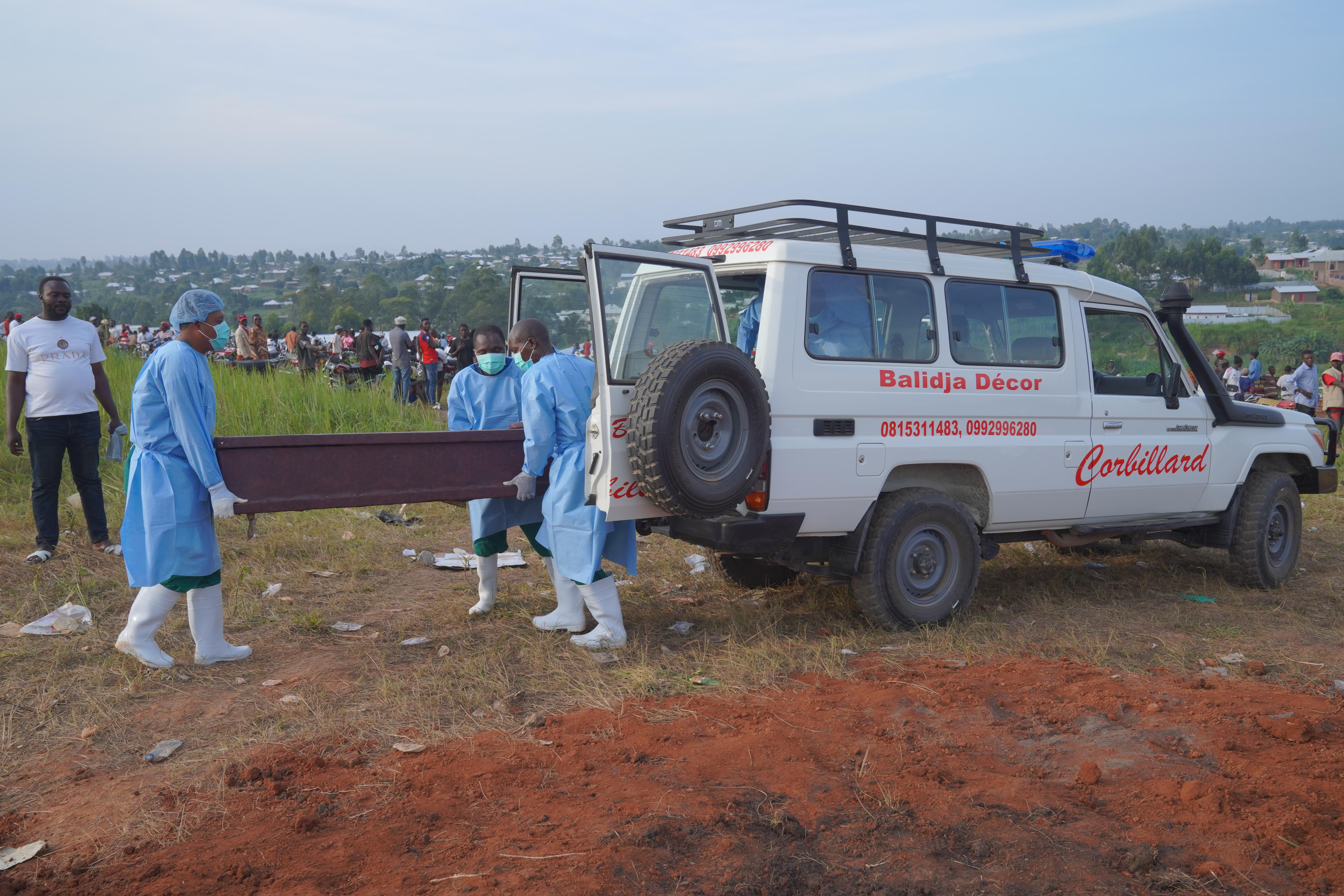
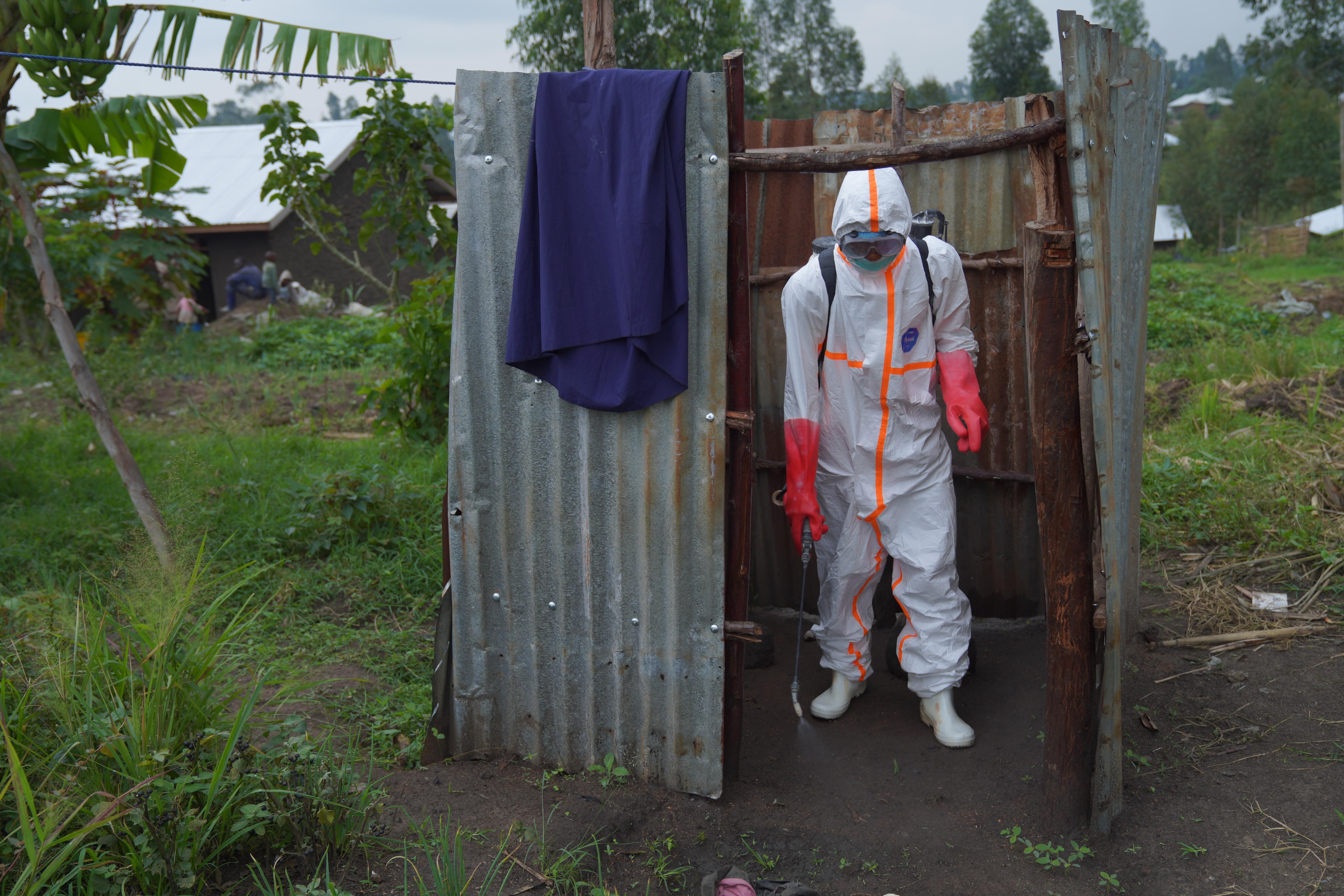
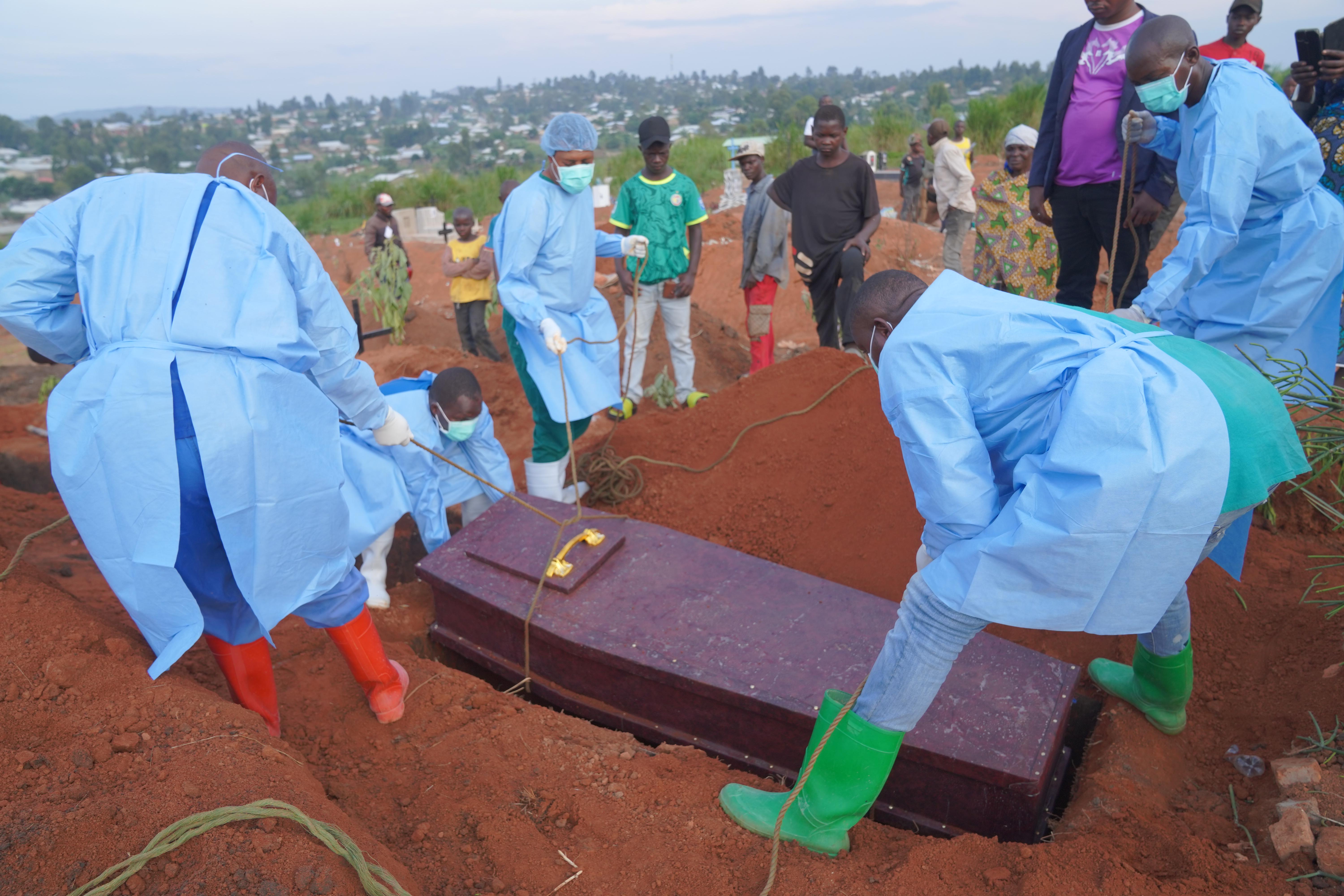
The Ebola outbreak centered in the eastern Ituri province is the fastest-growing in the disease's history and remains out of control with 5,713 confirmed cases, including 2,744 deaths, according to Congolese health authorities.
Get The Latest News!
Don't miss our top stories and need-to-know news everyday in your inbox.
Schools are set to reopen across Congo on Sept. 1, but some teachers and parents in Ituri are urging authorities to delay the return, saying the Ebola outbreak still poses too great a risk to children.
Children aged 4 and below have the highest case-fatality rate of any age group in the outbreak, at 60%, according to available health data.
“We want to resume classes, but not at the cost of our lives,” Fazila Rebecca, a teacher in Ituri's capital of Bunia, told The Associated Press. “As long as the disease is circulating and protective measures remain inadequate, returning to the classroom means taking a risk we cannot ignore.”
The local Ituri teachers union met Tuesday in Bunia, urging authorities to assess the outbreak before deciding whether to reopen schools.
“We are not opposed to the resumption of classes, but we believe that the health and safety of teachers and students must be a priority,” said Budju Lobo Isaac, a teachers’ union representative.
Authorities in Ituri did not immediately respond to a request for comment.
The outbreak in eastern Congo is spreading under extremely difficult conditions, fueled by insecurity, displacement, a health workers' strike and intense population movements. The World Health Organization has said it remains out of control and is on track to surpass the 2014-2016 West Africa Ebola outbreak, the deadliest on record, which killed more than 11,000 people.
Although the current outbreak was declared in mid-May, officials believe it had been spreading since February. It has spread from three health zones to nearly 60, with most cases and deaths occurring outside the network of monitored contacts and within communities.
A key challenge in fighting the outbreak is that the rare Bundibugyo virus that is causing it has no approved vaccines or treatments, although clinical trials of potential vaccines and treatments have begun in the region.
Efforts to bring the outbreak under control — from limited public gatherings to social distancing and airport closures — have disrupted life in the six affected provinces, particularly Ituri, which has been ravaged by rebel violence.
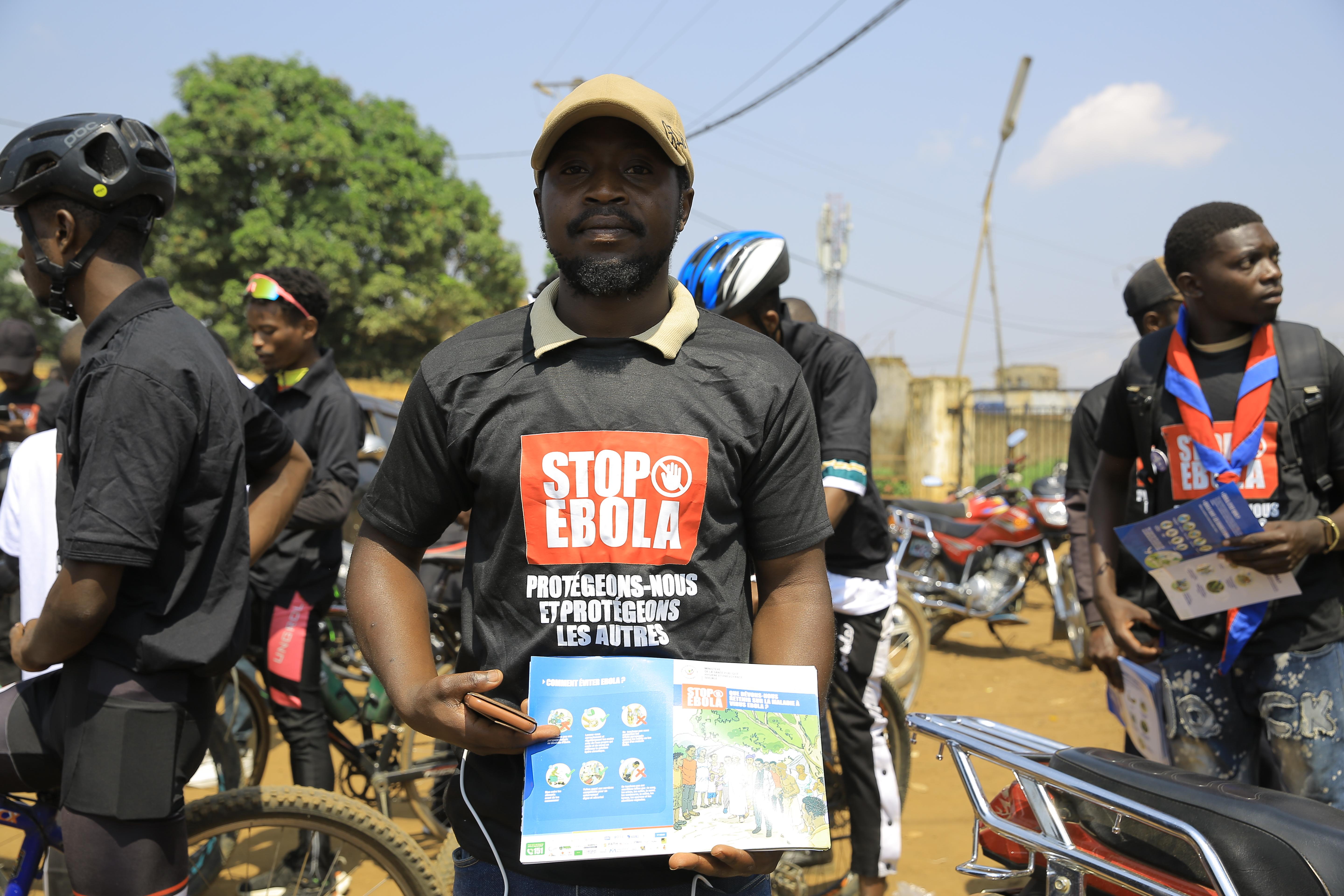
The government has introduced measures, including installing health and sanitary equipment at some locations, but advocacy groups say more needs to be done to build trust within the community.
“Beyond the practical challenges, community acceptance remains critical,” said Greg Ramm, director for Save the Children in Congo. “The immediate priority is to ensure that every school, teacher and family has the information and resources they need to make the start of the school year as safe as possible for children.”
Espérance Dz’venga was shopping for school supplies Wednesday at Bunia's central market. She said she wants her children in school, but worries about their safety.
“As a parent, I want to see my children in school, but — like many other parents — what I want most is for them to come home healthy,” she said. “We are afraid that our children might be exposed at school and then bring the illness home.”
___ For more on Africa and development: https://apnews.com/hub/africa-pulse
The Associated Press receives financial support for global health and development coverage in Africa from the Gates Foundation. The AP is solely responsible for all content. Find AP’s standards for working with philanthropies, a list of supporters and funded coverage areas at AP.org.