The Kremlin said Wednesday that CIA Director John Ratcliffe held talks in Moscow with his intelligence counterparts, a rare and secretive visit at a time when relations with Washington remain strained over Russia's war in Ukraine.
Kremlin spokesman Dmitry Peskov said Ratcliffe did not meet with Russian President Vladimir Putin, who was informed of the contacts that were "on the intelligence agencies’ level.”
Get The Latest News!
Don't miss our top stories and need-to-know news everyday in your inbox.
“Of course, President Putin is immediately informed of everything,” Peskov added, refusing to say what was discussed.
Russian state news agencies reported that a U.S. military plane landed in Moscow’s Vnukovo airport on Tuesday and departed later that day.
U.S. President Donald Trump played down the significance of Ratcliffe’s trip, saying it was “sort of semi-routine.”
“I hate to disappoint people,” he said on conservative broadcaster Glenn Beck's radio show Wednesday.
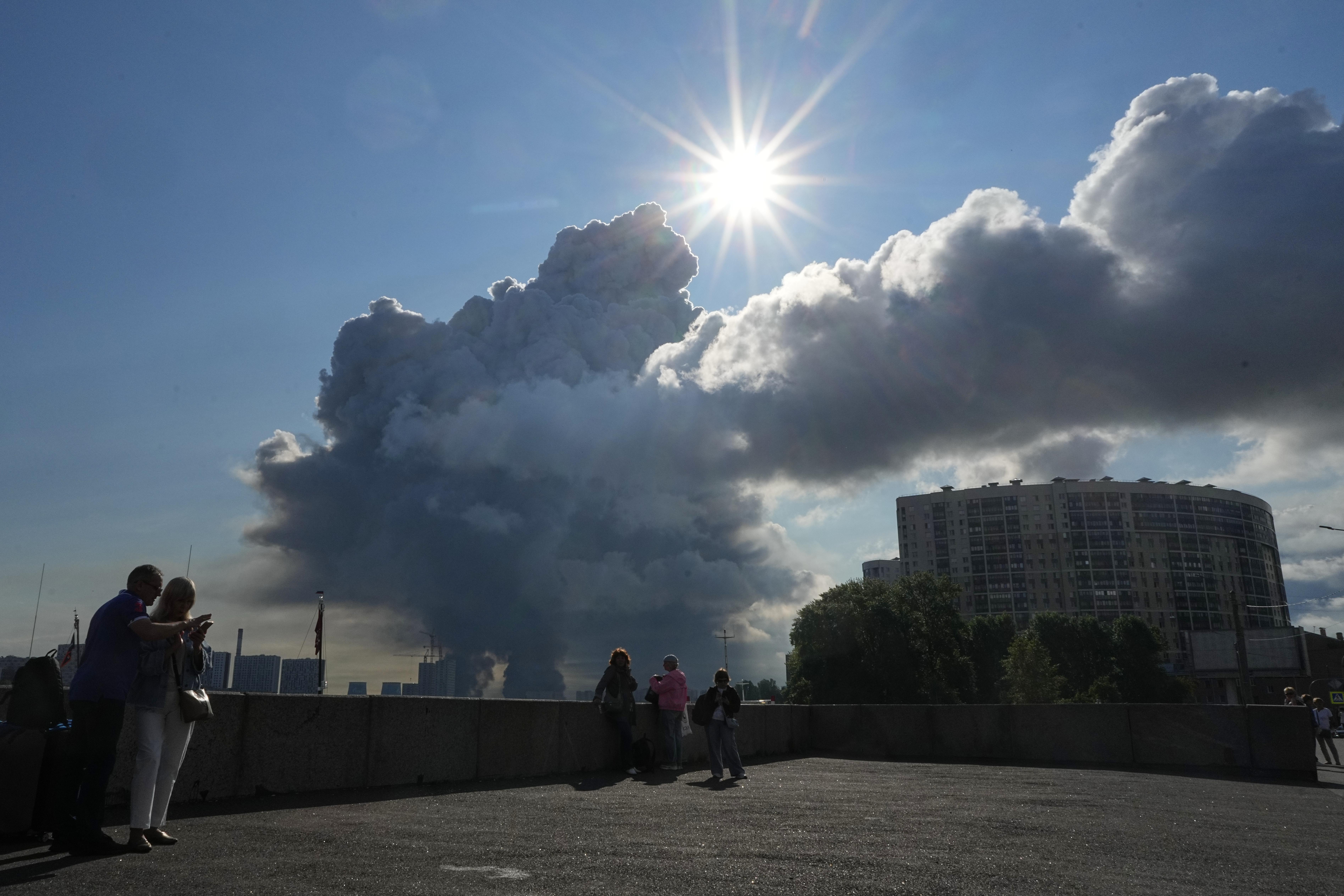
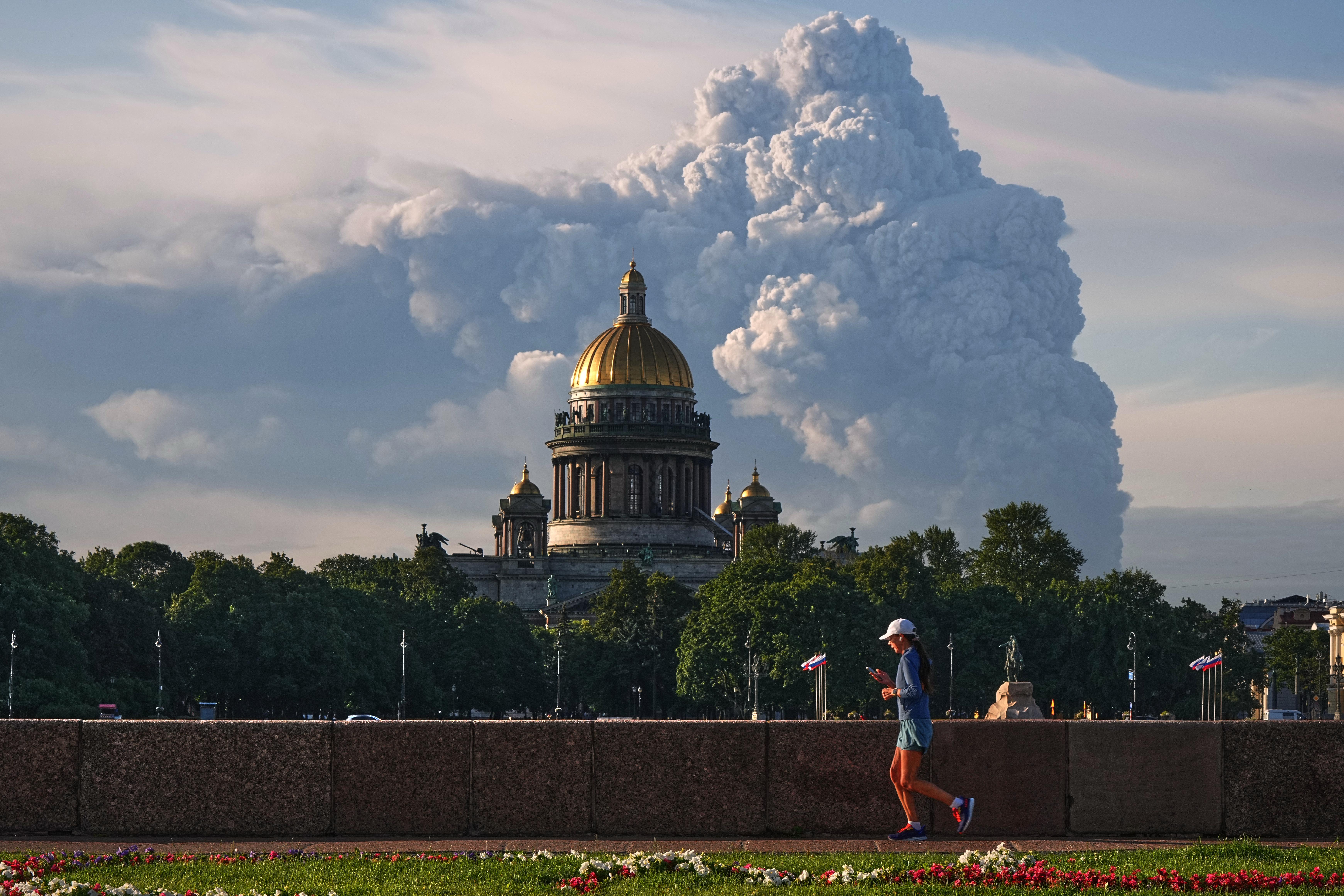
A senior Ukrainian official told The Associated Press that Washington informed Kyiv a delegation would be traveling to the Russian capital and asked it to suspend strikes until it left. The official said the request did not apply to all Russian territory, but specifically to Moscow, St. Petersburg and some northern regions. Strikes on other parts of Russia continued, the official said, speaking on condition of anonymity because he is not authorized to talk publicly.
CBS News first reported on the visit.
Peskov said that “contacts between intelligence agencies are, in and of themselves, a positive phenomenon, a positive process,” but he stressed that Russia-U.S. relations remain in a “profound crisis.”
He added that it was “too early to say” what impact Ratcliffe's visit would have on the ties between the two countries.
Andrei Soldatov, an expert on Russia’s security services, told AP that visits like the one by Ratcliffe do not “happen every year.”
Official channels of communication between Moscow and Washington have been kept alive since the 1980s and exist so both sides can talk if American or Russian lives are in danger or for other reasons, Soldatov said.
In 2021, Nikolai Patrushev, the secretary of Putin’s Security Council, met CIA Director William Burns in Moscow months before Russian forces invaded Ukraine. Burns later met Sergei Naryshkin, the head of Russia’s foreign intelligence agency, in Turkey in November 2022 to warn Russia not to deploy a nuclear weapon in Ukraine.
Details of Tuesday’s discussions have not been revealed but such meetings normally take place only when there is a matter of pressing national security and when it is in “American national interests,” Soldatov said.
Russia-U.S. relations sank to Cold War lows after Moscow's full-scale invasion of Ukraine in 2022, but appeared to warm after Trump returned to office. He had promised to end the war swiftly, holding multiple phone calls with Putin and even hosting him in Alaska a year ago.
In his radio appearance Wednesday, Trump repeated that he wants to see the Russia-Ukraine war end.
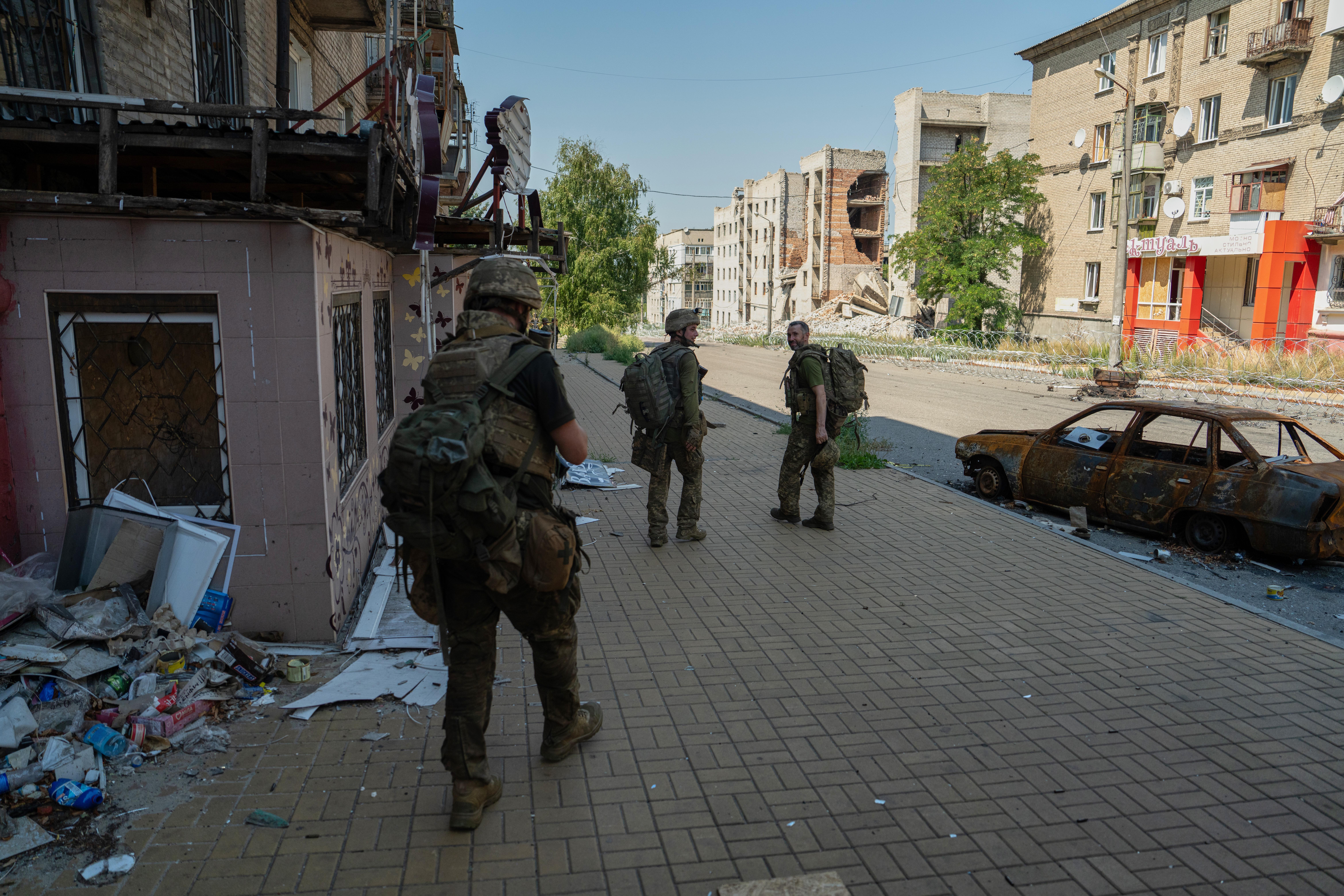
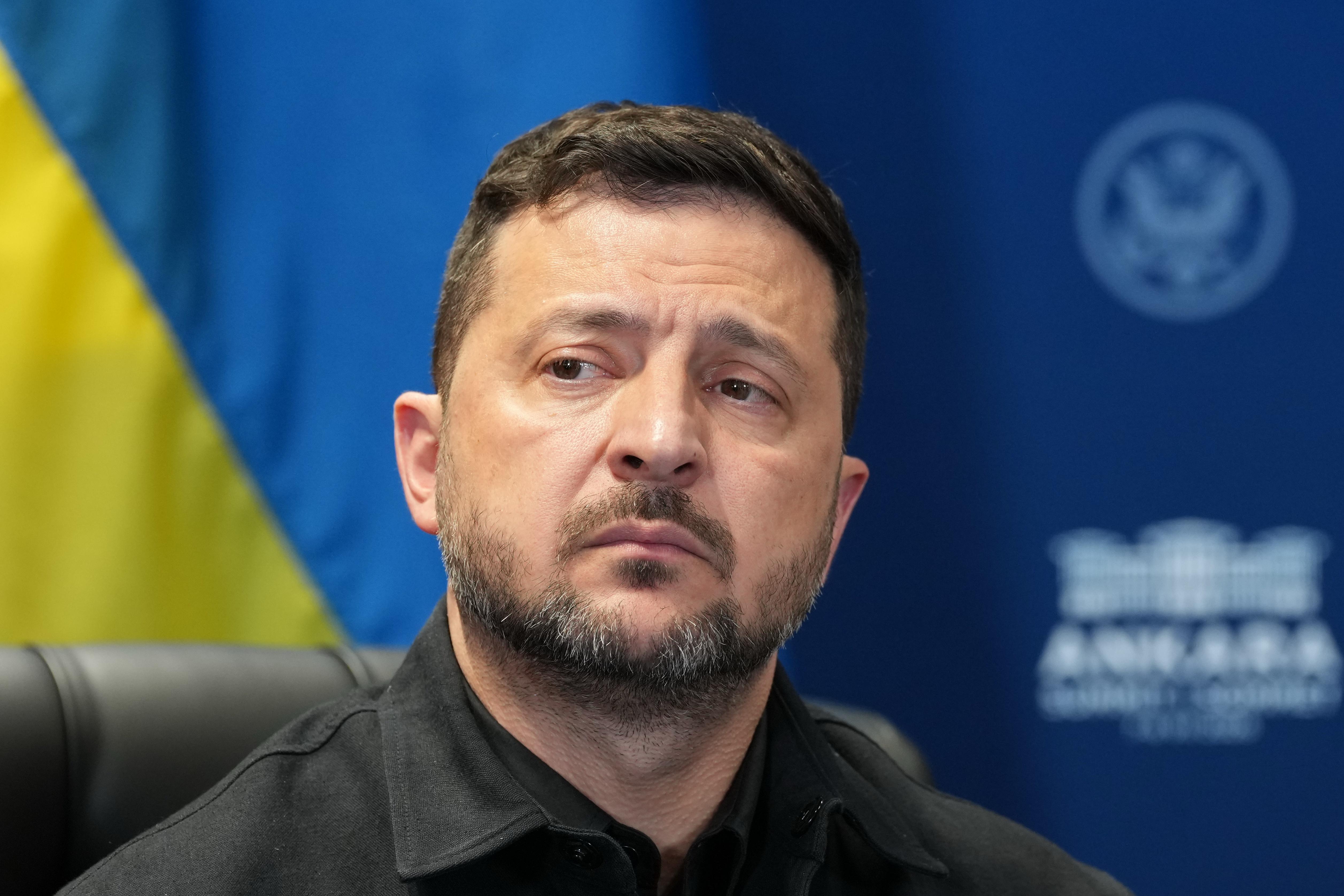
Efforts to negotiate a peace deal have largely stalled, with U.S. attention turning to its war with Iran and both Moscow and Kyiv stepping up their long-range attacks on each other. Putin has rejected Ukrainian President Volodymyr Zelenskyy's push for an immediate ceasefire, arguing that Russia wants a comprehensive settlement, not a temporary truce.
Russia has proposed to mediate in the U.S. and Israel's war with Iran, Moscow's important ally in the Middle East.
After Putin sent troops into Ukraine in February 2022, Tehran provided Russia with Shahed drones and later licensed their production in Russia. In January 2025, Moscow and Tehran signed a “comprehensive strategic partnership” treaty. But even as it has built ties with Iran, Russia also has remained friendly with Israel, and analysts have described its relations with Iran as complex and challenging.
In March, AP reported that Russia provided Iran with information that could help Tehran strike American warships, aircraft and other assets in the region, according to two officials familiar with U.S. intelligence on the matter. The officials, who were not authorized to comment publicly on the sensitive matter and spoke on the condition of anonymity, cautioned that the U.S. intelligence has not uncovered that Russia is directing Iran on what to do with the information.
Asked at the time whether Russia would go beyond political support and offer military assistance to Iran, Peskov said there has been no such request from Tehran. Pressed on whether Moscow provided any military or intelligence assistance to Tehran since the Iran war’s start, he refrained from comment.
Soldatov said it’s possible Tuesday's meeting involved protecting U.S. personnel, bases or facilities in the Middle East that have been targeted by Iran. Ratcliffe could have traveled to Moscow to try to influence this relationship, he added.
——
Volodymyr Yurchuk in Kyiv, Ukraine, Bill Barrow in Atlanta and Emma Burrows in London contributed.