FRANKFURT, Germany (AP) — The European Central Bank left interest rates unchanged Thursday amid uncertainty about how volatile energy prices will affect inflation.
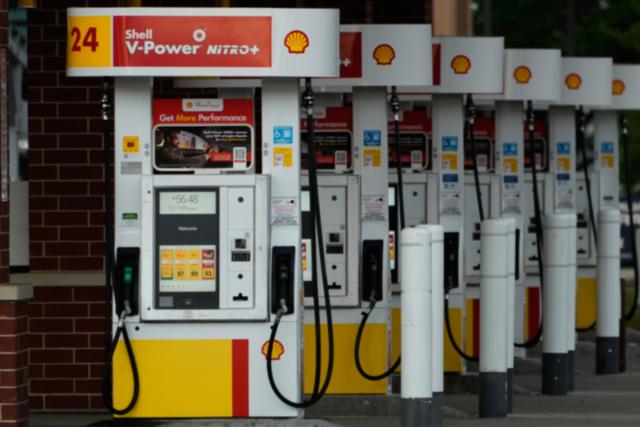
The central bank for the 21 countries that use the euro currency left its benchmark rate unchanged at 2.25% following a quarter-point hike at its previous meeting June 11. That increase was aimed at dampening the impact on consumer prices from higher oil prices due to the US-Iran war and subsequent interruption of oil shipments through the Strait of Hormuz.
Get The Latest News!
Don't miss our top stories and need-to-know news everyday in your inbox.
Analysts say the bank may simply be taking a pause to gather more information amid swings in oil prices, which fell after announcement of a ceasefire but then rose again when the ceasefire agreement collapsed and fighting resumed. Economists are pointing toward the bank's Sept. 10 meeting as a possibility for another rate increase.
“Uncertainty remains high and the full inflationary impact of the energy shock has yet to play out," ECB President Christine Lagarde said at a post-decision news conference. "We are therefore closely monitoring the intensity and duration of the shock, as well as its indirect and second round effects...the longer energy prices stay high, the more likely they are to drive up broader inflation.”
Lagarde said the bank is making decisions meeting by meeting based on incoming data and has not committed to any particular path for rates.
Lagarde also faced a question about whether she would commit to serving out her full, eight-year term which ends in October 2027.
Asked for a “yes or no” response, she said: “You know, I hate to be boxed in in any particular circumstances."
She added that “you are not going to see the back of me before 2027” and that “when there clouds on the horizon, the captain stays on the ship, and this captain is staying on this ship as long as there are clouds on the horizon.”
Rate hikes combat inflation by raising the cost of credit for buying things, from new houses to new factories. That cools demand for goods and eases pressure on prices. Inflation in the eurozone ran at an annual 2.8% in June, down from 3.2% in May.
International benchmark Brent crude rose to $100 Thursday, the first time in two months, after Yemen’s Iran-backed Houthi rebels said they attacked two Saudi oil tankers in the Red Sea, potentially widening the conflict in and around Iran.
Brent spiked 7% after Iranian-backed Houthis launched the attacks near the Bab al-Mandeb Strait, raising doubts about Saudi Arabia’s ability to ship oil through the Red Sea instead of the Strait of Hormuz.