A view of water can lower stress in just a few minutes. That helps explain why people will drive across town to sit by a lake, pay extra for an ocean-facing room, or stand under a hot shower longer than they planned. Water does more than keep us alive. It calms us, draws our attention, and makes ordinary moments feel better.
Why water feels good almost instantly
People are built to notice water. At the most basic level, we need it to survive. Our bodies are made mostly of water, and we cannot go long without drinking it. That practical need may be one reason water catches our eye so easily. A stream, fountain, or glass of cold water signals safety and relief.
Get The Latest News!
Don't miss our top stories and need-to-know news everyday in your inbox.
But enjoyment goes beyond survival. Water affects several senses at once. We see its movement. We hear waves, rain, or a faucet running. We feel its temperature and pressure on the skin. Even the smell of the sea or a wet forest can shift our mood. Few things in daily life engage the body so completely.
This may be why water often feels restorative. A shower can reset a stressful morning. A bath can soften the edge of a hard day. Sitting by a river can quiet the mind without requiring much effort. People often say they need to “clear their head,” and water seems to help them do exactly that.
The brain likes patterns, motion, and sound
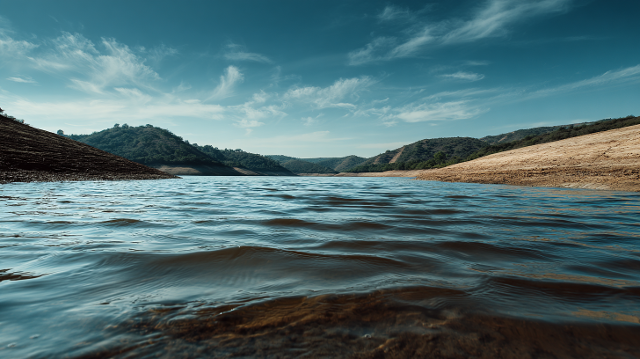
Part of water’s appeal is the way it moves. Flames also move, but water has a special mix of change and predictability. Waves roll in patterns. Ripples spread outward. Rain falls with variation but also rhythm. The brain seems to enjoy this balance. There is enough movement to hold attention, but not so much that it becomes exhausting.
Researchers often describe this kind of experience as “soft fascination.” It gently captures the mind. Unlike loud traffic or constant alerts on a phone, water does not demand action. It gives the brain something to focus on without pressure.
Sound matters too. The steady rush of a waterfall or the hush of waves can mask harsher noises. This can reduce mental strain. That is one reason people use sound machines with rain or ocean tracks to sleep, study, or relax. The sound fills space without feeling sharp.
There is also a physical side. Warm water can loosen muscles. Cool water can wake the body up. Swimming or floating changes the way gravity is felt, which many people experience as relief. Water supports the body in a way solid ground cannot.
A deep link to safety and shelter
Long before modern plumbing, people needed to live near clean water. Rivers, springs, and lakes supported drinking, cooking, washing, farming, and travel. A place with water was often a place where life could continue.
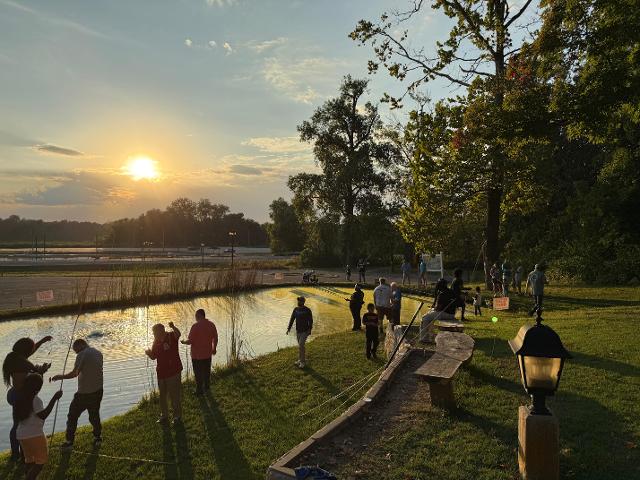
That does not mean every human preference comes directly from ancient life, but it helps explain why water can feel so important. Green spaces near water often seem especially inviting. In modern cities, parks with ponds or river walks draw crowds for a reason. People may not think, “This place supports survival,” yet they still read it as welcoming and livable.
Real estate gives a clear example. Homes near water usually cost more. Restaurants with waterfront seating advertise the view. Even office buildings use fountains in entryways to create a better atmosphere. We consistently treat water as a sign of value.
Water in culture, ritual, and everyday language
Water is not only useful and pleasant. It carries meaning. Across many cultures, water is linked to cleansing, renewal, healing, and change.
Religious traditions often use water in ceremonies. Baptism in Christianity symbolizes rebirth. In Islam, washing before prayer is part of spiritual and physical preparation. In Hindu traditions, rivers such as the Ganges hold deep sacred meaning. In Japan, purification with water appears in both religious practice and everyday etiquette.

These traditions reflect a simple human idea: water removes what is old and makes room for what is next. That idea shows up in language too. People speak of “going with the flow,” “making waves,” “testing the waters,” or being “in deep water.” Emotions are described as flooding, rising, or washing over us. We use water to talk about life because it feels close to life itself.
There are common misunderstandings as well. Some people assume enjoying water is mainly about beaches or luxury travel. In reality, the appeal is often much simpler. A sink full of warm water while washing dishes, the sound of rain on a roof, or a child splashing in a puddle can bring the same basic comfort.
Why water helps in modern life
Modern life overloads attention. Screens flash. Notifications interrupt. Schedules stay full. Water offers a different kind of experience. It slows the pace without asking us to perform.
That helps explain some familiar habits. People linger in the shower when they need a break. They walk near canals, rivers, or beaches after work. They put fountains in gardens or fish tanks in waiting rooms. Even videos of rainstorms and underwater scenes attract millions of views online.
Water also creates shared experiences. Public pools, lakesides, and beaches bring people together. Children play more freely around water. Adults often become less formal there too. A picnic by a river feels different from a meeting in a conference room, even with the same people.
Travel offers another example. Many vacations involve water in some form: a seaside town, a lakeside cabin, a hotel pool, a boat ride. People may say they want rest, fun, or scenery. Water often provides all three at once.
The body remembers water
Enjoyment of water can start early. Babies are soothed by baths. Children are drawn to puddles, sprinklers, and pools. Many adults keep those associations. Water becomes tied to comfort, play, family time, and freedom.
There may also be a memory effect. If someone learned to swim with a parent, spent summers near a lake, or found peace fishing or boating, water becomes linked with care and belonging. Later in life, the sight or sound of water can bring those feelings back quickly.
Of course, this is not true for everyone. Some people fear deep water or have painful experiences connected to it. Enjoyment is never universal. Still, for many people, water holds a mix of physical ease and emotional memory that is hard to replace.
Simple ways to notice the effect in your own life
You do not need a coastline to benefit from water. Small encounters count.
Pay attention to how you feel after a shower versus before it. Notice whether running water helps you think. If you can, take a short walk near a pond, river, or fountain and compare your mood afterward. Try listening to rain or wave sounds while reading or falling asleep. Keep a glass of water nearby and notice how often the act of drinking gives you a brief pause.
You can also watch how other people respond. Children often move toward water without being told. Crowds gather along railings facing rivers and harbors. In a public square, people tend to sit near fountains when seats are available. These are quiet signs of a broad human preference.
For some people, water works best through touch: swimming, bathing, or washing hands slowly. For others, sight and sound are enough. The important point is that enjoyment of water is not abstract. It appears in ordinary behavior all the time.
Water meets a human need in more ways than one. It sustains the body, but it also settles the mind, engages the senses, and carries rich personal and cultural meaning. That is why a shoreline, a shower, a river path, or even a simple cup of water can feel larger than it is. In a world that often feels crowded and demanding, water offers one of the rare experiences that is both basic and deeply reassuring.