
Why People Enjoy Seasonal Rituals
A chipped serving dish can matter more than the food inside it. Bring out the same dish for a familiar celebration, and it may summon a grandparent’s kitchen, a crowded table, or the feeling of being a child again. The object has not changed. What people have attached to it has.
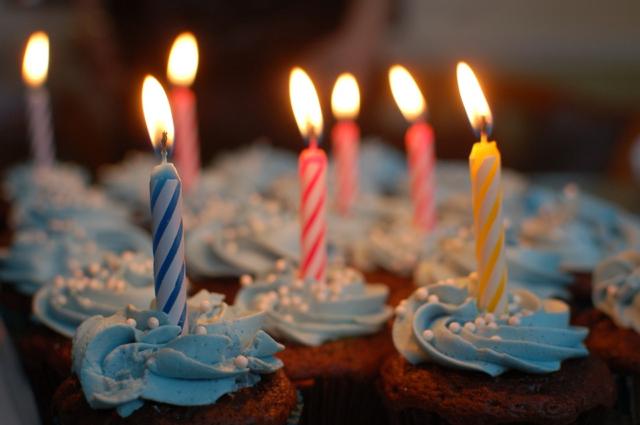
Seasonal rituals work in much the same way. Whether we light candles, prepare a special meal, visit a particular place, or hang decorations, we turn repeated actions into markers of meaning. These habits offer more than entertainment. They help us organize time, strengthen relationships, and feel connected to something larger than our daily routines.
Get The Latest News!
Don't miss our top stories and need-to-know news everyday in your inbox.
Repetition Gives Us Something to Count On
Ordinary life involves a steady stream of decisions. What should we cook? When can everyone meet? How do we make an occasion feel special?
A ritual answers some of those questions in advance. We make the familiar recipe. We gather at the usual place. Someone tells the story everyone already knows.
That predictability can be comforting, especially when other parts of life feel uncertain. Research on ritual suggests that structured, repeated actions can sometimes reduce anxiety by giving people a sense of order. The effect is not magical, and it does not solve the source of a problem. But a familiar sequence can make an unpredictable world feel a little more manageable.
This helps explain why people may fiercely defend seemingly minor details. A different dessert or a changed meeting place can feel like more than a practical adjustment. It interrupts an expected pattern.
Rituals Make Time Feel Distinct
Without clear markers, weeks can blur together. Work, chores, messages, and errands repeat, but they do not always create memorable chapters.
Seasonal rituals provide punctuation. A yearly picnic, a religious observance, or the first family baking session becomes a recognizable point in the calendar. We remember events in relation to these occasions: before the lantern celebration, after the annual camping trip, during the year everyone gathered at a smaller table.
These markers also help us notice change. Children grow taller between annual photographs. A young relative takes over a task once handled by an older one. A familiar gathering moves to a new home.
The ritual stays recognizable while the people within it change. That contrast allows us to experience both continuity and the passage of time.
Shared Actions Build Belonging
You do not need a long conversation to feel connected to others. Sometimes, doing the same thing together is enough.
Singing a familiar song, preparing dumplings, decorating a shared space, or carrying food to a neighbor gives people a common focus. Each person has a role. Even small tasks—folding napkins or arranging chairs—can signal membership in the group.
Cultural traditions offer many examples. During Lunar New Year, families in various communities gather for meals and observe customs associated with renewal and good fortune. At Nowruz, celebrated in Iran and other communities, symbolic displays and family visits help welcome a new year. In Mexico’s Día de Muertos traditions, offerings and visits to graves can maintain bonds with loved ones who have died.
Practices differ across regions, households, and generations. Their shared strength is participation: meaning comes not only from what people believe, but also from what they do together.
Old Traditions Met Practical Needs
Many seasonal customs grew partly from practical concerns. Communities needed ways to coordinate planting, harvesting, food storage, travel, and periods of rest. Successful harvests gave people both a reason and the resources to gather.
Religious observances also shaped calendars, connecting recurring dates with stories, moral teachings, and acts of remembrance. Local customs, political changes, migration, and trade added further layers.
There is rarely one simple origin story. A modern celebration may combine religious meaning, older regional practices, family habits, and commercial influences. Claims that a custom comes directly from one ancient source often overlook that complicated history.
Yet the underlying needs remain familiar. People still want to share resources, recognize important transitions, and make room for celebration.
Familiar Sights and Smells Carry Memory
The appeal of a ritual is often physical. Dough beneath your hands, candlelight on a wall, or the opening notes of a song can bring back an earlier experience.
Smell is especially closely connected with brain systems involved in memory and emotion. That helps explain why a particular spice or cooking aroma can feel unusually powerful. Other sensory cues matter too. A decoration may be ordinary to a visitor but deeply meaningful to the person who unpacks it every year.
Nostalgia adds another layer. Remembering valued experiences can support a sense of connection between our past and present selves. It can also remind us of people who made us feel secure or loved.
But nostalgia is not always cheerful. A familiar song may highlight an absence. A recipe may bring both pleasure and grief. Rituals can hold those mixed emotions without requiring us to choose just one.
Anticipation Is Part of the Pleasure
A celebration does not begin only when everyone arrives. Planning, preparing, and looking forward to it can become part of the reward.
Someone may enjoy choosing gifts almost as much as giving them. Another person may look forward to a yearly hike for weeks. Repeated preparation builds expectation, while the event’s limited availability helps keep it distinctive.
This gives the saying “something to look forward to” real weight. An anticipated occasion can break up a demanding stretch of work or school and provide a shared topic of conversation.
Still, anticipation can turn into pressure. Advertising and social media often present celebrations as polished performances. The belief that everything must be perfect can crowd out the comfort a ritual was meant to provide.
Traditions Can Change Without Losing Their Meaning
“Tradition” can sound like a rule against change. In practice, customs survive partly because people adapt them.
A family may replace an expensive meal with a potluck. Relatives living far apart may cook the same recipe while on a video call. Someone who no longer follows a childhood religion may keep a gathering centered on generosity or remembrance.
The useful question is not always, “Are we doing this exactly right?” It may be, “What do we want this practice to give us?”
To recognize the rituals that matter in your own life, notice which repeated activities you would miss. Ask what makes them valuable: the people, the sensory experience, the pause from work, or the chance to remember. Protect that core, and allow less important details to change.
Seasonal rituals appeal to us because they make abstract needs tangible. Belonging becomes a place at a table. Memory becomes a recipe. Hope becomes an action repeated with others. Their deepest value does not depend on grandeur or perfect execution. It comes from giving ordinary gestures enough attention—and enough repetition—to make them mean something.