
On July 14, the single event most widely associated with the date is the storming of the Bastille in Paris in 1789. A crowd of Parisians seized the fortress-prison during the early French Revolution, searching for gunpowder and striking at a symbol of royal power. At the time, it showed that the French monarchy was losing control and that ordinary people could shape events directly. It still matters today because it became a lasting symbol of political change, citizenship, and the idea that governments can be challenged when they no longer reflect the people they rule.
Get The Latest News!
Don't miss our top stories and need-to-know news everyday in your inbox.
The Bastille itself held only a small number of prisoners, but its importance was far greater than its practical role. France was facing a financial crisis, food shortages, and deep political conflict between the crown and reformers. When King Louis XVI moved troops near Paris, many people feared a crackdown. On July 14, armed crowds took the Bastille after tense fighting. The fall of the fortress encouraged revolutionary action across France and helped turn a political dispute into a much broader social upheaval. In the years that followed, France would abolish feudal privileges, redefine the relationship between citizen and state, and influence political movements far beyond Europe.
More than six centuries earlier, another major turning point took place on this date. In 1223, Louis VIII became king of France on the death of Philip II. Although his reign was short, the succession mattered because it continued the strengthening of the French monarchy during the Middle Ages. The Capetian kings were gradually expanding royal authority over territories long controlled by powerful nobles. That slow consolidation helped shape the French state that later became central to European politics.
A very different kind of event unfolded in 1790, one year after the Bastille was taken. France held the Fête de la Fédération, a large public celebration in Paris meant to mark national unity during the Revolution. Leaders, soldiers, and citizens gathered in an effort to show that the country could move forward together under a new constitutional order. The moment did not erase later divisions, but it revealed how revolutions are not only fought through conflict. They are also expressed through public rituals, symbols, and shared hopes about national identity.
In 1881, outlaw Billy the Kid was killed in New Mexico by Sheriff Pat Garrett. Though this was a regional event in the American West, it later gained international cultural weight through books, films, and popular storytelling. The real history involved violence, unstable institutions, and conflict in a frontier society. The legend that followed shows how media can reshape local history into a broader myth about law, rebellion, and national identity.
Only a few decades later, science and industry made the date notable in a new way. In 1933, the first known all-synthetic detergent, Dreft, went on sale in the United States. That may seem modest next to war and revolution, yet it reflected a larger pattern of twentieth-century chemical innovation entering everyday life. New household products changed labor in the home, consumer habits, and manufacturing. They also marked the growing power of industrial chemistry to shape ordinary routines across many societies.
Entertainment history added another milestone in 1960 when Jane Goodall arrived at Gombe Stream Reserve in what is now Tanzania to begin her famous study of chimpanzees. Her work transformed primatology by documenting tool use, social bonds, and complex behavior among chimpanzees. These observations challenged simple assumptions about what separated humans from other animals. Goodall’s research had lasting effects not only in science but also in conservation, helping bring wider attention to endangered species and habitats.
The politics of space exploration entered the day’s record in 1965, when the Mariner 4 spacecraft made its flyby of Mars and returned the first close-up images of another planet. Those pictures changed public understanding of Mars. Earlier hopes that the planet might contain canals or advanced life had already faded, but Mariner 4 replaced speculation with direct visual evidence of a cratered, harsh landscape. The mission was an important step in robotic exploration, showing how unmanned spacecraft could expand knowledge far beyond Earth.
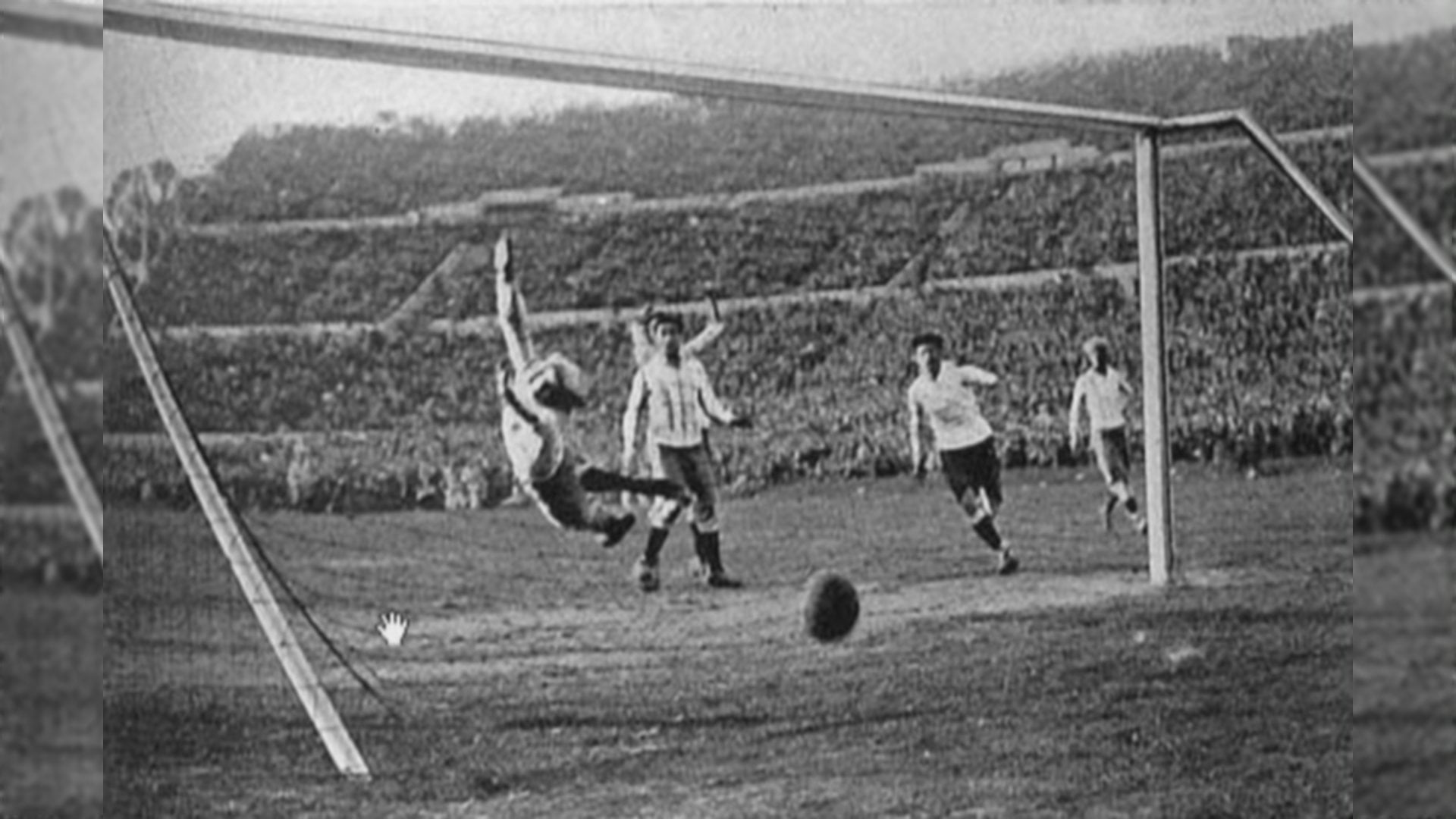
On July 14, 1969, war and diplomacy intersected in Central America when brief fighting broke out between El Salvador and Honduras in what became known as the Football War. Tensions had deeper causes than sport, including land disputes, migration issues, and political strain. The conflict was short, but it showed how existing social and territorial problems can flare rapidly when national feeling is already heightened. Its effects included loss of life, displacement, and longer-term regional instability.
Several notable figures were born on July 14. Gustav Klimt, born in 1862, became one of the leading painters associated with the Vienna Secession, known for richly decorative works that helped define modern art in central Europe. His paintings linked symbolism, portraiture, and experimentation at a time when artists were rethinking established forms.
Woody Guthrie, born in 1912, left a major mark on music and public culture. His songs drew on folk traditions while speaking about work, migration, hardship, and hope during the Depression era and beyond. Guthrie influenced generations of songwriters by showing that popular music could tell social stories in plain language without losing emotional force.
Gerald R. Ford, born in 1913, became the 38th president of the United States during a period of unusual constitutional stress after the resignation of Richard Nixon. Ford is remembered for leading the country through a moment of institutional uncertainty and for emphasizing stability in government. Whether viewed politically or historically, his presidency remains tied to questions of succession, trust, and the functioning of democratic systems.
This date also marks the deaths of several important figures. In 1881, Billy the Kid died at a young age, becoming one of the most mythologized figures of the American frontier. The legend often overshadowed the reality, but his story remains part of how societies remember violence, law, and expansion.
Richard McDonald, who died in 1998, was one of the brothers behind the McDonald’s restaurant system. Along with Maurice McDonald, he helped pioneer a fast, standardized approach to food service that influenced labor practices, franchising, and global consumer culture. Their model became one of the clearest examples of how business methods can spread internationally and reshape everyday habits.
July 14 brings together revolution, monarchy, war, science, music, art, and sport.