
Ice cream can hurt your head, numb your tongue, and still feel impossible to resist.
Get The Latest News!
Don't miss our top stories and need-to-know news everyday in your inbox.
That odd mix of pleasure and discomfort says a lot about human cravings. Cold treats are not just about taste. They tap into the body’s need for cooling, the brain’s reward system, and the emotions tied to comfort and fun. A popsicle after a long walk, iced coffee on a busy morning, frozen yogurt during a rough week, gelato on vacation—these foods and drinks often mean more to us than “something cold.”
So why do humans crave cold treats so strongly? The answer sits at the intersection of biology, memory, culture, and habit.
Cold feels good for a reason
The most basic reason is physical. Humans are warm-blooded. Our bodies work hard to stay within a narrow temperature range. When we feel overheated, even slightly, something cold can bring quick relief.
That relief is not just imagined. Cold foods and drinks can cool the mouth and throat, and they create the sensation of comfort almost instantly. Even before a treat changes body temperature in any big way, the nerves in the mouth register cold and send that message to the brain. The result is a strong feeling of refreshment.
This helps explain why cold treats can feel deeply satisfying after exercise, during stress, or after eating spicy food. The body reads cold as soothing. In that sense, craving a cold treat is not indulgent or irrational. It is often a simple response to a real physical state.
Sugar, fat, and the reward system
Temperature is only part of the story. Many cold treats also contain sugar, fat, or both. That makes them especially powerful.
Sweetness signals easy energy. Fat adds richness and a smooth texture. Together, they activate reward pathways in the brain. Ice cream is a perfect example. It is cold, sweet, creamy, and often flavored with ingredients people already love, like chocolate, vanilla, fruit, or caramel.
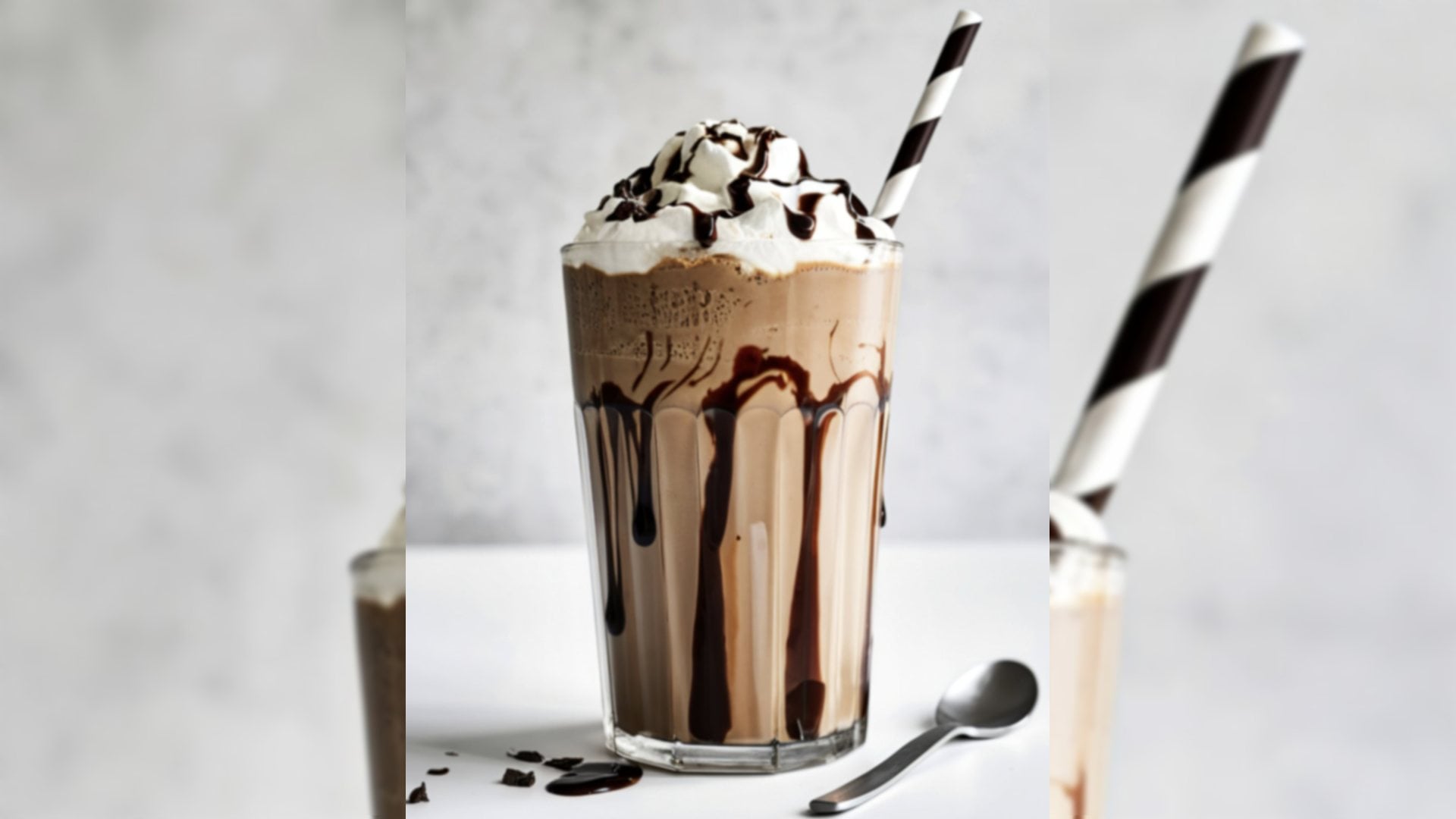
That combination matters. A glass of ice water can feel refreshing, but it rarely creates the same craving as a milkshake. The brain is not only responding to temperature. It is responding to pleasure, familiarity, and the promise of quick satisfaction.
Food companies know this well. Many frozen desserts are carefully designed to melt at a certain speed, feel soft on the tongue, and deliver strong flavor quickly. That is one reason it can be hard to stop at a few bites.
Texture may matter more than people think
People often talk about flavor first, but texture is a major part of craving.
Cold treats come with textures that many people find uniquely enjoyable: the snap of a chocolate shell, shaved ice that dissolves fast, the airy softness of soft-serve, the chew of mochi ice cream, the thick slush of a frozen drink. These sensations make the eating experience more engaging.
The contrast also plays a role. A frozen dessert can be smooth but firm, rich but light, intense but clean. Few other foods create that exact mix. That sensory variety keeps cold treats interesting. It can also make them feel more special than an ordinary snack.
The comfort of memory and routine
Cravings are not just built in the body. They are shaped by experience.
For many people, cold treats are linked to small rewards, family routines, and social moments. A child gets ice cream after a school event. Friends meet for boba or frozen yogurt. A parent keeps popsicles in the freezer “just in case.” Over time, the brain starts to connect cold treats with relief, celebration, or affection.

That is why cravings can appear even when the body is not especially hot or hungry. You may want a scoop of ice cream after a stressful call because your mind associates it with comfort. You may reach for an iced drink during work because it has become part of your rhythm and focus.
This is common in modern life. Plenty of people do not just crave the product. They crave the pause it represents.
Cold treats can signal status, fun, or care
Food always carries social meaning, and cold treats are no exception.
In many places, offering something chilled is a sign of hospitality. A guest is handed a cold drink. Children are surprised with frozen desserts. At restaurants, a fancy dessert cart or a scoop of sorbet can signal luxury or celebration.
Cold treats also show up in casual sayings and shared ideas. “The cherry on top” suggests an extra pleasure. “Cool off” means calm down or recover. Calling someone “cold” implies distance, but in food, cold often suggests freshness, cleanliness, or reward.
Some ideas around cold food are widely misunderstood. One common belief is that people only want cold treats when they are physically hot. But cravings often come from mood, routine, or learned behavior just as much as temperature. Another belief is that cold foods are less satisfying than hot ones. In reality, many people find frozen desserts highly filling on an emotional level because they are slow to eat and packed with sensory appeal.
A long history of turning cold into pleasure
People have been drawn to chilled sweets for a very long time. Long before freezers, wealthy communities in parts of Asia, the Middle East, and Europe found ways to store snow and ice or cool ingredients underground. They mixed ice with fruit, syrups, or dairy to create early forms of frozen desserts.
These foods were often rare and impressive. That history matters because it gave cold treats a special aura. They were not just food. They were a display of skill, access, and delight.
Modern refrigeration changed everything. Ice cream, frozen custard, shaved ice, kulfi, gelato, granita, halo-halo, and many other cold desserts became more available to ordinary people. Even so, they kept some of that old sense of occasion. A cold treat still feels a little like a reward, even when it comes from a convenience store freezer.
Culture shapes what people crave
Not every culture turns to the same cold treat, but the craving appears almost everywhere.
In Italy, gelato is often part of a walk and conversation. In India, kulfi offers a denser, slower-melting experience. In Japan, kakigori transforms ice into something delicate and almost cloud-like. In Mexico, paletas can be fruit-forward, creamy, spicy, or tart. In the Philippines, halo-halo mixes shaved ice with beans, jellies, fruits, milk, and ice cream into a layered dessert that is as much about texture as taste.
These traditions show that craving cold is flexible. People do not only want “ice cream.” They want what their culture has taught them to recognize as refreshing, satisfying, festive, or comforting.
Modern cities add another layer. People now build routines around iced lattes, smoothies, frozen protein drinks, bubble tea, and acai bowls. Some of these are sold as health foods. Some are pure treats. Most sit somewhere in between.
How to notice your own cold-treat cravings
If you want to understand your own habits, pay attention to the moment before the craving hits.
Ask yourself a few simple questions:
- Am I physically warm or thirsty?
- Do I want sugar, or do I want the cold feeling itself?
- Is this a routine craving, like an afternoon iced drink?
- Am I looking for comfort, reward, or a break?
- Does a certain memory or place come to mind?
These questions can be surprisingly useful. Sometimes the answer is simple dehydration. Sometimes it is hunger. Sometimes you just want pleasure, and that is fine too. The point is not to judge the craving. It is to understand it.
That understanding can help in practical ways. If what you want is cooling, cold fruit or chilled water may do the job. If what you want is comfort, a small serving of a favorite dessert may be more satisfying than trying to fight the urge with something joyless. Recognizing the difference often leads to better choices and more enjoyment.
Humans crave cold treats because they do several jobs at once. They cool the body, stimulate the senses, trigger reward, and carry memories of care, fun, and relief. They are physical and emotional at the same time. That is why a spoonful of ice cream or a sip of something icy can feel much bigger than it should. It is not just cold. It is comfort, habit, pleasure, and meaning packed into one bite.