
Why Autumn Feels Magical
A tree’s most brilliant display can arrive just as it begins to shut down for winter. That reversal helps explain autumn’s strange appeal: what looks like an ending can feel vivid, generous, and full of possibility. A familiar street changes color. An ordinary drink becomes a ritual. Even a walk to the bus stop can feel worth remembering.
Autumn’s magic is not a single mystery. It comes from the meeting of biology, memory, cultural traditions, and changes in daily life. The landscape catches our attention, while familiar routines give that change personal meaning.
A Familiar World Becomes Unfamiliar
Most days, we move through places without studying them. We know the sidewalk, the neighboring houses, and the trees outside the supermarket. Autumn interrupts that automatic way of seeing.
Get The Latest News!
Don't miss our top stories and need-to-know news everyday in your inbox.
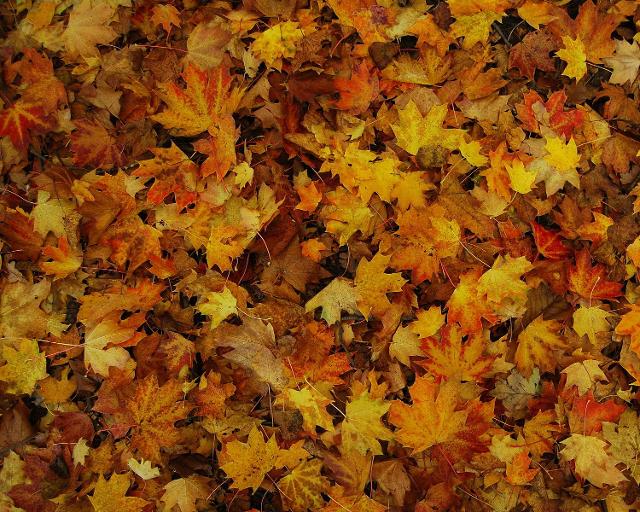
In many temperate regions, shorter days and changing temperatures prompt deciduous trees to prepare for winter. Chlorophyll, the green pigment that helps leaves capture sunlight, breaks down. Yellow and orange pigments that were already present become more visible. Some trees also produce red pigments called anthocyanins.
The result is a dramatic transformation without a change of location. You do not need to travel somewhere new; somewhere familiar becomes new around you.
That shift can invite closer attention. A yellow leaf against dark pavement or a red maple beside a plain brick building creates a contrast that is easy to notice. For a moment, the everyday world stops being background scenery.
The display is also temporary. Knowing that a bright canopy may soon be bare gives people a reason to look now rather than later.
Light Changes the Mood
Autumn does more than change the colors of leaves. It changes how those colors appear.
As the sun’s path lowers in the sky, light reaches familiar spaces from different angles. Shadows stretch across lawns. Afternoon sunlight may reach farther into a room. On clear days, low-angle light can make a tree or building seem unusually vivid.
Photographers often seek the “golden hour” shortly after sunrise or before sunset. Warm light is not unique to autumn, but earlier sunsets in many places make it easier to encounter during ordinary waking hours. A commute home may overlap with a glowing sky that would have appeared much later in summer.
These visual changes affect the character of familiar places. A kitchen table crossed by a long band of sunlight can feel briefly theatrical. Nothing has been rearranged, yet the room looks different.
Comfort Becomes Something You Notice
A warm mug is pleasant in any month. It becomes more noticeable when your hands are cold.
Autumn often creates a sharper contrast between the outdoors and indoors. A brisk walk can make a warm room more inviting. Damp shoes make dry socks feel like a small luxury. Comfort becomes easier to appreciate because it answers an immediate need.
This helps explain the appeal of autumn rituals: soup simmering on the stove, a blanket brought out of storage, or bread warming in the oven. They are simple ways of making a space feel welcoming.
The Danish word hygge is often used to describe cozy, convivial contentment. It is not specific to autumn, and it means more than buying candles or decorating a room. Shared attention matters: sitting with a friend, eating without rushing, or making an ordinary evening feel hospitable.
Modern advertising often turns seasonal comfort into a shopping list. But the underlying pleasure may require very little—a library book, a favorite sweater, or time to cook something familiar.
Smells and Flavors Carry Personal History
Why can one bite of apple pie seem to bring back an entire kitchen?
Smell is closely connected with brain systems involved in emotion and memory. A familiar aroma can bring earlier experiences to mind with surprising force. Cinnamon might recall a grandparent’s baking. Woodsmoke might suggest a camping trip. The scent of fallen leaves may evoke walking home from school.
Those associations help explain why seasonal foods matter beyond taste. Apples, squash, roasted nuts, and spiced drinks can act as reminders of particular people, places, and routines.
The memories are not universal. Someone raised in a tropical climate may connect comfort with entirely different foods and seasonal changes. Another person may associate autumn with loneliness or a difficult event.
Autumn feels magical partly because people bring their own histories to it. The same smell can be deeply meaningful to one person and ordinary to another.
Harvest Traditions Give Change a Shared Meaning
For farming communities, autumn harvests have long marked a practical turning point. Food needed to be gathered, stored, preserved, and shared before less productive months.
That work helped shape traditions of gratitude, feasting, and community gathering. Harvest festivals appear in many cultures, though their dates and meanings vary. China’s Mid-Autumn Festival brings families together around moon viewing and mooncakes. Chuseok in Korea is associated with family gatherings, honoring ancestors, and harvest foods. Thanksgiving celebrations in Canada and the United States have harvest associations alongside distinct and complex national histories.
Halloween adds another kind of enchantment. Its development includes influences from the Gaelic festival of Samhain, Christian observances, and later folk and commercial traditions. Costumes, lanterns, and ghost stories turn darkness and uncertainty into something people can explore together.
These customs do not simply celebrate a backdrop. They give seasonal change a shared form: a meal, a story, a decorated doorway, or an evening spent with neighbors.
An Ending Can Feel Like a Beginning
Autumn carries an appealing contradiction. The natural world appears to slow down, yet many people feel an urge to begin again.
In places where the school year starts in late summer or autumn, September becomes a learned reset point. New notebooks, changing schedules, and returning activities create a rhythm that can remain familiar long after graduation.
An adult might enroll in a class, reorganize a workspace, or return to a neglected hobby. The year is moving toward its close, but daily life offers a fresh page.
Language reflects this tension. “The autumn of life” usually suggests later years, emphasizing maturity and the passage of time. “Turning over a new leaf,” although not originally about tree leaves, feels especially fitting amid visible change.
Not everyone experiences that change positively. Reduced daylight can affect mood, and some people experience seasonal depression. Appreciating autumn does not require pretending that its darker days are easy for everyone.
Making Room to Notice
You cannot force a season to feel meaningful, but you can make room to experience it. Walk the same route each week and notice what changes. Cook something tied to a personal memory. Meet a friend outdoors before going somewhere warm. Look beyond the most colorful trees to seed heads, migrating birds, and the shapes revealed by thinning branches.
Autumn’s enchantment often lies in this combination of attention and impermanence. It makes ordinary things briefly stand out, then lets them change again. Its quiet invitation is not to preserve every beautiful moment, but to recognize one while you are in it.