This Day in Music History: September 17
On Sept. 17, 1931, RCA Victor demonstrated its 33 1/3-rpm long-playing record system in New York, offering a striking early vision of the album era. The company called the discs Program Transcriptions, and the format promised substantially more music per side than the familiar 78-rpm record. RCA’s experiment did not become the mass-market standard; the Depression-era cost of new equipment and technical limitations kept it from catching on. Still, the demonstration mattered because it established the basic commercial ambition behind the LP: longer, uninterrupted listening. The successful microgroove LP that arrived after World War II would transform how labels packaged classical works, jazz sessions and eventually rock albums. Sept. 17 marks an important reminder that the technologies that change music often arrive first as imperfect experiments.
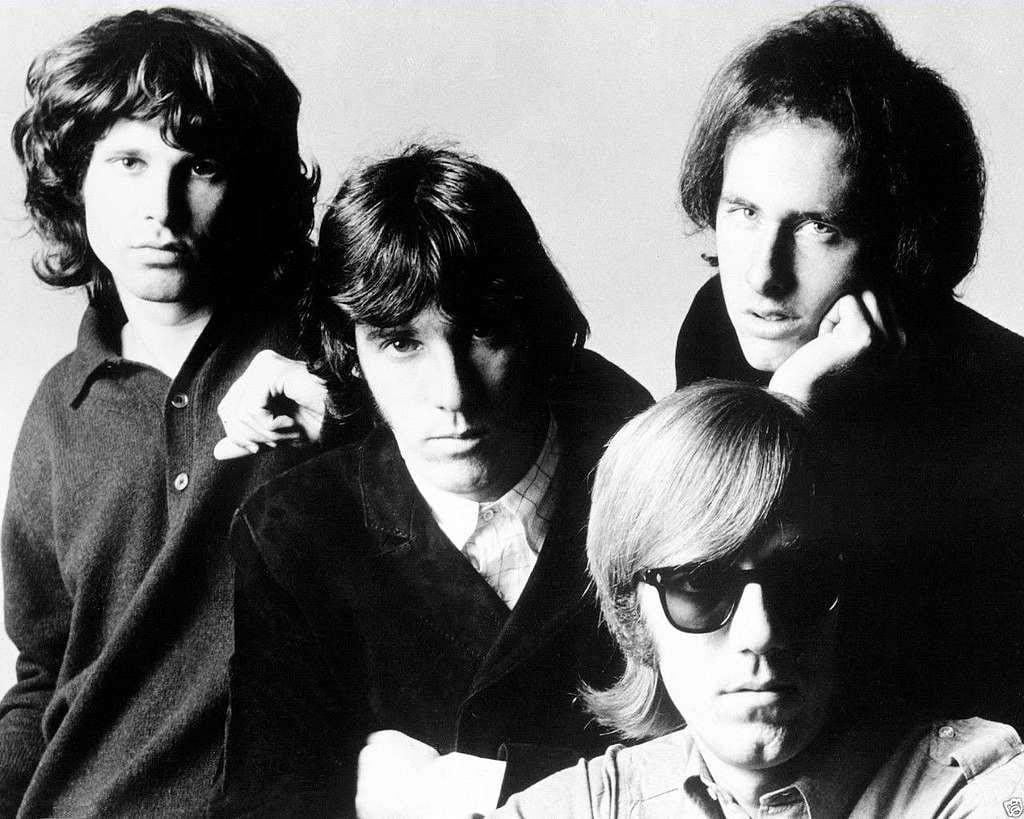
Thirty-six years later, on Sept. 17, 1967, the Doors brought one of rock’s defining confrontations with television censorship to The Ed Sullivan Show. The Los Angeles band performed “People Are Strange” and “Light My Fire” live from CBS’s Studio 50. During rehearsal, a producer asked the group to substitute a word in the latter song’s “couldn’t get much higher” lyric, which network staff considered inappropriate for a family program. Jim Morrison sang the original lyric on the broadcast. The incident made the performance part of the group’s legend, but its lasting importance is larger: a fast-rising psychedelic rock band had reached one of America’s broadest television audiences without reshaping its language to meet the program’s expectations. It captured the widening cultural distance between 1960s youth music and network television’s standards.
Get The Latest News!
Don't miss our top stories and need-to-know news everyday in your inbox.
On Sept. 17, 1970, the Grateful Dead played at New York’s Fillmore East during a period when the band was expanding its musical vocabulary. Its official show archive preserves a program that moved from an acoustic set to an electric one. The acoustic portion included “Friend of the Devil,” “Ripple,” “Brokedown Palace” and traditional material such as “The Monkey and the Engineer” and “Cold Jordan.” The electric set returned to the group’s amplified, open-ended side with “China Cat Sunflower,” “I Know You Rider,” “Saint Stephen,” “Sugar Magnolia” and “Good Lovin’.” That contrast helps explain the Dead’s unusual reach. The group could draw from folk, bluegrass, gospel, country and rock while treating a concert as a changing, communal event rather than a fixed recreation of a studio record. The Fillmore East appearance remains a snapshot of the band’s acoustic and improvisational identities sharing one stage.
Sept. 17, 1991, became an unusually crowded release date for mainstream rock, pop and metal. Guns N’ Roses issued Use Your Illusion I and Use Your Illusion II simultaneously, an enormous declaration of scale from a band that had broken through with the leaner hard-rock sound of Appetite for Destruction. The two albums ranged from forceful rock songs to piano-based epics, including “November Rain,” and gave the group room for a broader palette of arrangements and moods. Their commercial impact was immediate: Use Your Illusion II reached No. 1 on the Billboard 200 while Use Your Illusion I reached No. 2. Occupying the chart’s top two spots underscored both the band’s popularity and the waning era in which major rock acts could make ambitious, long-form albums into shared pop-culture events.
The same day, Mariah Carey released Emotions, her second album for Columbia Records. Arriving after a debut that had established her as a major new voice, the record placed her agile vocal range in settings shaped by pop, R&B, gospel and dance music. Its title track became especially important to her early career, reaching No. 1 on the Billboard Hot 100 and extending an unprecedented run: Carey became the first artist whose first five singles all topped the chart. Emotions also showed that her success would not rest solely on ballads. With “Make It Happen,” “Can’t Let Go” and the title song, Carey and her collaborators presented a more varied collection that connected polished pop songwriting to classic soul and club-oriented production. The album helped set a model for the vocal-pop crossover that would remain central to commercial music in the 1990s.
Also released on Sept. 17, 1991, Ozzy Osbourne’s No More Tears demonstrated that heavy metal could still command a major place in the album market as the decade’s musical landscape shifted. Osbourne’s sixth solo studio album produced the rock-radio staples “No More Tears,” “Mama, I’m Coming Home” and “Road to Nowhere,” each of which reached the Top 10 on Billboard’s rock singles chart. The record peaked at No. 7 on the Billboard 200 and earned multi-platinum certification in the United States. “Mama, I’m Coming Home,” co-written with Lemmy Kilmister, gave Osbourne one of his most enduring solo songs and broadened the album’s emotional range beyond metal’s usual aggressive image. In the same week that Guns N’ Roses issued two sprawling albums, No More Tears affirmed the continuing commercial and creative force of artists rooted in 1970s metal.
On Sept. 17, 2015, Iron Maiden’s The Book of Souls entered the Official U.K. Albums Chart at No. 1, giving the British heavy-metal band its fifth U.K. chart-topper. The achievement arrived more than three decades after The Number of the Beast had first placed the group at the top of that chart. At a time when rock and metal were often discussed as genres outside pop’s center, the album’s debut showed the durability of a band that had maintained a worldwide audience through changing formats and generations of listeners. The record’s success also underlined a broader point in music history: a committed fan community can sustain album-oriented artists long after the market around them has changed. From RCA Victor’s early long-play experiment to Iron Maiden’s chart return, Sept. 17 traces the continuing relationship between musical ambition, technology and devoted audiences.