This Day in Music History: September 13
September 13, 1814, began the chain of events that gave the United States one of its most enduring songs. As British warships opened their bombardment of Fort McHenry in Baltimore Harbor during the War of 1812, attorney Francis Scott Key was being held aboard a vessel in the harbor. Watching the attack through the night and seeing the American flag still flying at dawn inspired the words that became “The Star-Spangled Banner.” Key set those lyrics to the established melody of “Anacreon in Heaven,” a song associated with an 18th-century London music society. The result was first known as “Defence of Fort M’Henry,” then spread as a patriotic song long before Congress made it the national anthem in 1931. Its difficult vocal range, ceremonial role and emotional connection to public events have made it a lasting part of American musical life.
On September 13, 1965, Capitol Records released the Beatles single “Yesterday” in the United States, backed with “Act Naturally.” The recording stood apart from the electric-guitar drive that had defined much of the group’s rise. Paul McCartney sang the lead over acoustic guitar and a string quartet, creating an intimate sound that made the song feel closer to a chamber-pop ballad than to Beatlemania-era rock ’n’ roll. The single became a major American hit and helped demonstrate that the Beatles could move easily from exuberant group performances to carefully arranged, reflective studio work. “Yesterday” also became one of the most widely performed songs in popular music, evidence of how a short, spare recording could travel far beyond its original moment.
Get The Latest News!
Don't miss our top stories and need-to-know news everyday in your inbox.
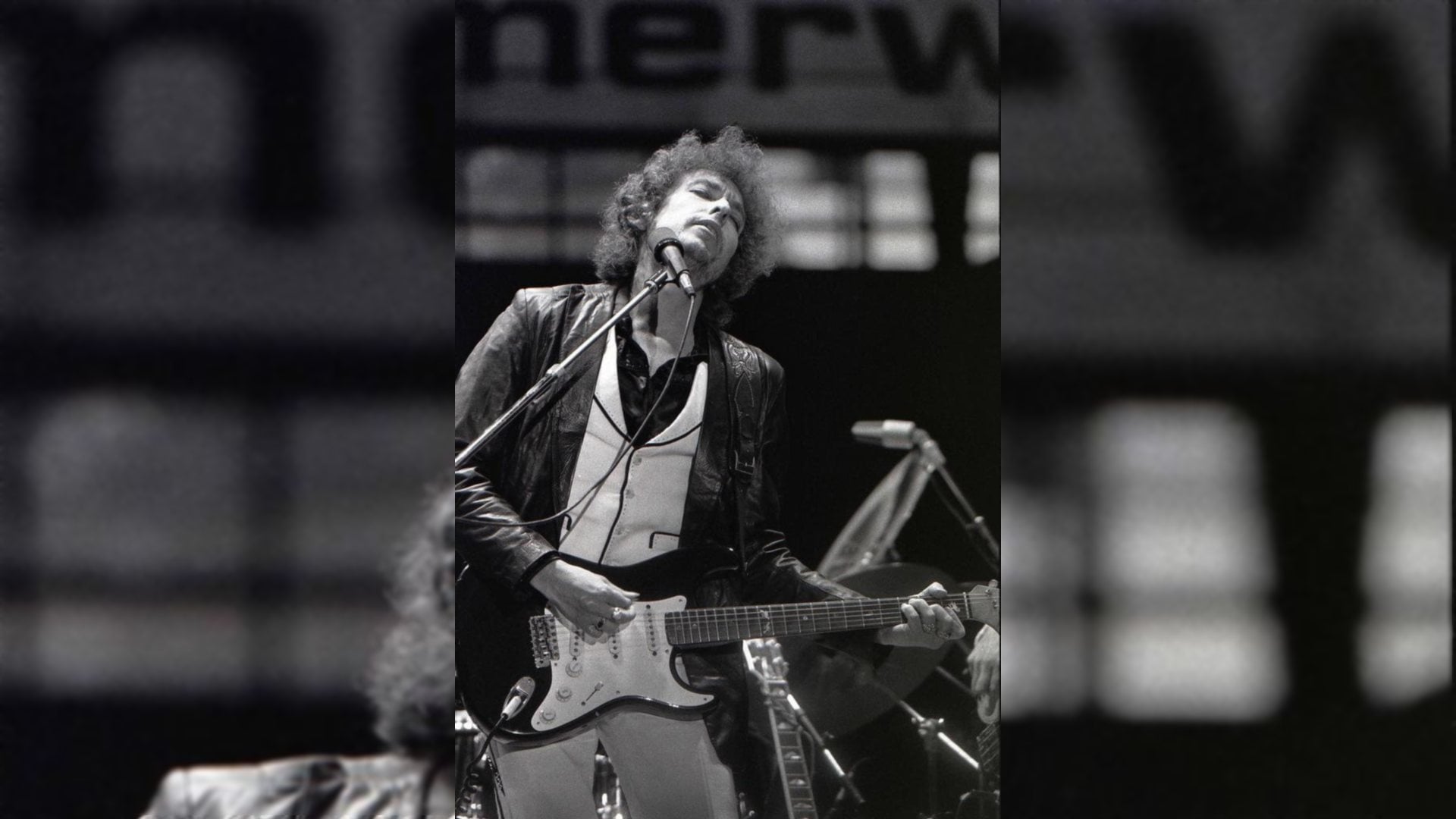
Four years later, September 13 brought a defining late-1960s concert to Toronto’s Varsity Stadium. The Toronto Rock and Roll Revival assembled artists whose work stretched from the first wave of rock ’n’ roll to the era’s newer bands, including Chuck Berry, Little Richard, Jerry Lee Lewis, Bo Diddley, Chicago, Alice Cooper and the Doors. The day’s most consequential appearance came when John Lennon and Yoko Ono performed as the Plastic Ono Band with Eric Clapton, Klaus Voormann and Alan White. Lennon had still been recording with the Beatles, but the Toronto set gave him a public stage for a new artistic direction outside the group. The performance was recorded and later issued as “Live Peace in Toronto 1969,” the first live album released by a Beatles member either separately or with the band. The festival also became a major chapter in Canadian popular-music history, showing that Toronto could host an international event of real cultural consequence.
September 13, 1974, saw the release of LaBelle’s “Nightbirds,” an album that placed Patti LaBelle, Nona Hendryx and Sarah Dash at the center of a bold mix of soul, funk, rock and emerging disco. Produced and arranged by New Orleans musician Allen Toussaint, the album gave the trio a rich rhythmic foundation while leaving room for its striking vocal power and Hendryx’s adventurous songwriting. Its best-known track, “Lady Marmalade,” became a No. 1 pop hit the following year, but “Nightbirds” was more than a vehicle for one single. Songs such as “Somebody Somewhere” and “Space Children” joined sensuality, social consciousness and theatrical confidence. In an industry that often limited how Black women’s groups could be presented, LaBelle created a futuristic, self-possessed style whose influence can still be heard in dance-pop, R&B and performance-centered rock.
On September 13, 1980, Elton John brought a major pop concert to Central Park’s Great Lawn in New York. The free performance drew what was then the largest crowd in the park’s history for a concert, making the lawn a powerful setting for communal popular music rather than simply a public green space. John appeared in a sequined Donald Duck costume, a reminder of the visual flamboyance that had helped make his stage shows distinctive. Yet he also offered a more solemn moment by acknowledging his friend and nearby resident John Lennon before performing “Imagine.” The concert helped establish the Great Lawn as a high-profile site for landmark musical gatherings, a tradition that would continue with other large-scale benefit and reunion events.
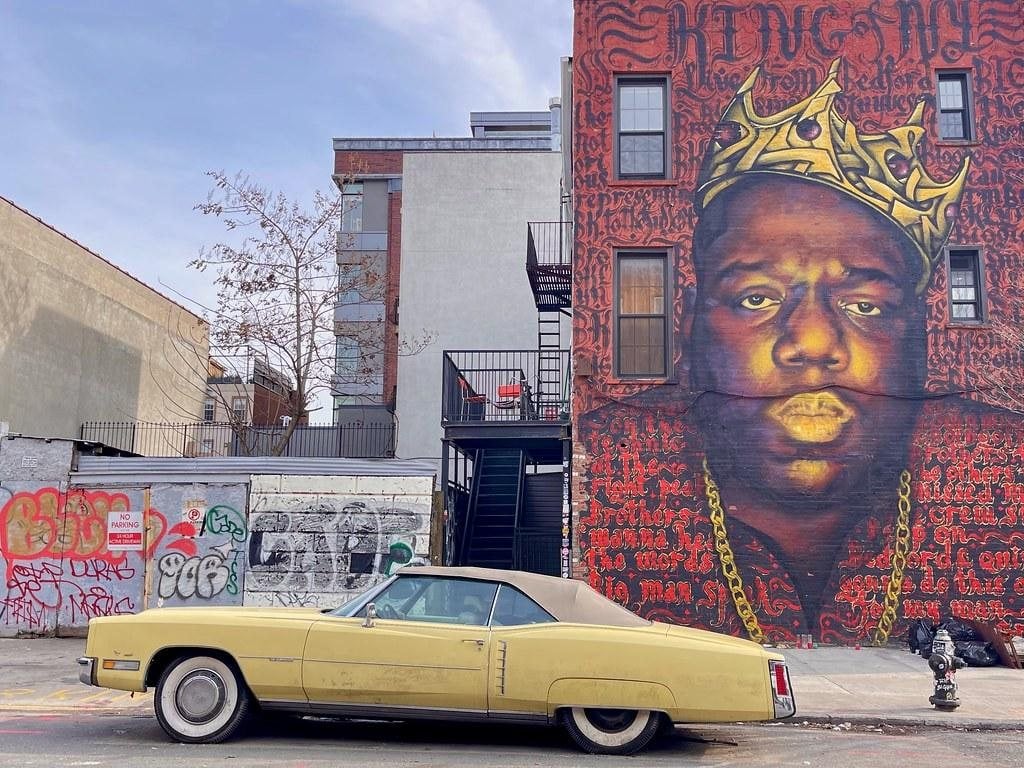
On September 13, 1994, the Notorious B.I.G. released his debut studio album, “Ready to Die.” The Brooklyn rapper, born Christopher Wallace, used the record to build a detailed, often unsettling narrative of ambition, poverty, danger and survival. Its storytelling was cinematic but also grounded in the pressures faced by many young Black New Yorkers during the era. Tracks including “Things Done Changed,” “Gimme the Loot,” “Everyday Struggle” and the title song made the album more than a collection of radio-ready rap records; it was a sharply observed portrait of a life and a city. The Library of Congress later selected “Ready to Die” for the National Recording Registry, calling it a landmark of rap and hip-hop. It remains the only studio album Wallace released during his lifetime, and its technical command, humor and emotional depth helped set a new standard for East Coast rap.
From a wartime poem adapted to an older melody to recordings that expanded the language of rock, soul, pop and hip-hop, September 13 shows how music history is often made when artists find a form equal to a defining moment. Some of these works became public rituals, some altered the sound of the studio and some gave voice to communities rarely heard on their own terms. All continued to resonate long after the date on which their stories began.