Seventy-five years ago today, “An American in Paris” opened at New York’s Radio City Music Hall, giving George and Ira Gershwin’s music a lasting new home on the movie screen. The Oct. 4, 1951, opening introduced New York audiences to a film that united popular songwriting, orchestral music and dance, then went on to win six Academy Awards, including best picture. It remains a defining example of how a movie musical could build something new from an established musical catalog.
Get The Latest News!
Don't miss our top stories and need-to-know news everyday in your inbox.
Directed by Vincente Minnelli and produced by Arthur Freed, the MGM production starred Gene Kelly and Leslie Caron, with a screenplay by Alan Jay Lerner. Freed had approached Ira Gershwin about developing an original film around the songs he had written with his brother. Rather than simply transferring an existing stage show to the screen, the filmmakers assembled a new story around the Gershwins’ work.
The film’s climactic ballet drew on George Gershwin’s orchestral “An American in Paris,” originally introduced in 1928. That concert piece had grown from his impressions of the French capital, including the sounds of its taxi horns. Kelly’s screen interpretation gave those musical images a visual form. The connection between concert hall and movie theater helps explain the film’s importance: An orchestral work became the centerpiece of a popular entertainment, rather than merely background accompaniment.
On Oct. 4, 1962, another kind of musical imagination reached the top of Britain’s singles chart. The Tornados’ “Telstar” moved to No. 1, displacing Elvis Presley’s “She’s Not You.” The instrumental’s achievement was more than a successful week for a band: It put a strikingly studio-shaped sound at the center of popular music.
Writer and producer Joe Meek helped make “Telstar” sound unlike a straightforward recording of musicians playing in a room. His work treated recording equipment as a creative tool, using techniques such as overdubbing, compression and reverberation to develop distinctive textures. “Telstar” combined a driving beat with an eerie, futuristic character, making its production as memorable as its melody. Its identity depended on what happened in the studio as well as what the musicians played.
The record subsequently became the first single by a British rock group to top the American charts. That international breakthrough gives the October milestone broader significance: Before British bands became a dominant force in American pop, the Tornados demonstrated that an unconventional instrumental could cross the Atlantic and reach an enormous audience.
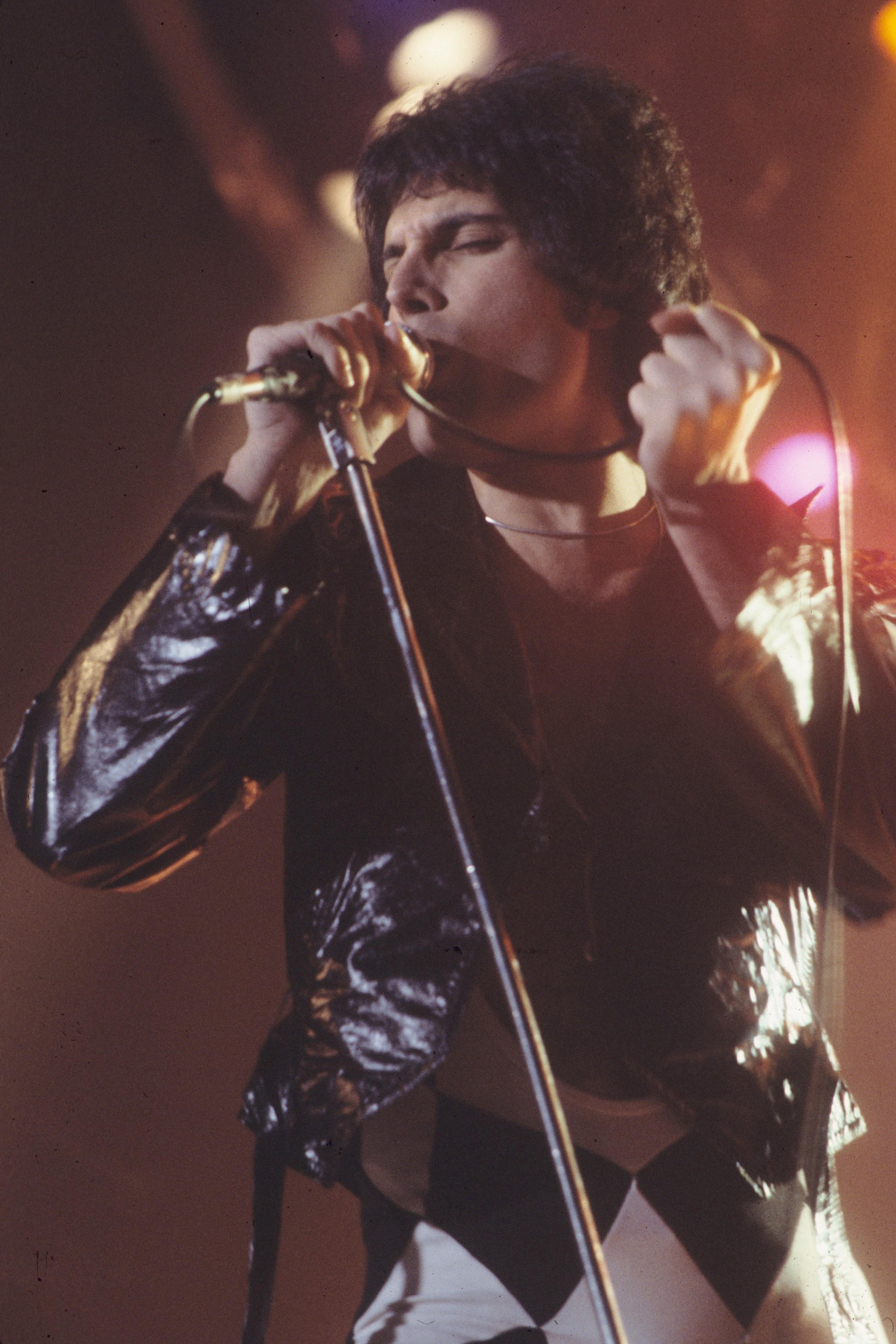
On the Billboard Hot 100 dated Oct. 4, 1980, Queen began a three-week stay at No. 1 with “Another One Bites the Dust.” Written by bassist John Deacon, the song became the band’s second American chart-topper, following “Crazy Little Thing Called Love.” Both came from the album “The Game,” but the bass-driven “Dust” offered a different route to the top.
Its musical connection to Chic’s “Good Times” was central to that sound. Billboard’s retrospective traced the familiar bass approach to Deacon’s exposure to Chic in the studio. Club DJs and Black radio DJs also played “Another One Bites the Dust” from the album before its single release. Those listeners helped reveal the record’s reach beyond an established rock audience. The chart milestone illustrates the exchange between rock, funk and dance music, with a bass line carrying much of the song’s appeal.
Illinois takes its place in the date’s history on Oct. 4, 1997, when Farm Aid returned to the state for a sold-out concert at the New World Music Theater in Tinley Park. Originally scheduled for Irving, Texas, the event moved to the Chicago-area venue. Its lineup included Dave Matthews Band, John Fogerty, Beck and the Allman Brothers Band, bringing different generations and styles together in support of family farmers.
The return carried historical weight. Farm Aid had begun in Champaign in 1985, linking a major concert to public attention and assistance for farm families. By 1997, its Illinois homecoming showed that the effort had become more than a one-time benefit. The Tinley Park gathering continued a relationship between musicians, audiences and agricultural communities, using the concert stage to keep farmers’ concerns before the public.
On Oct. 4, 2011, Canadian singer-songwriter Feist released “Metals” in the United States and Canada. It followed “The Reminder,” the album whose song “1234” had helped introduce her to a much wider audience. The new release marked her return after a several-year hiatus, extending a career that had already brought international recognition.
“Metals” went on to win the 2012 Polaris Music Prize, prevailing over a shortlist that included albums by Drake, Grimes, Kathleen Edwards and other Canadian artists. That later recognition gives the release date its lasting importance. Alongside the day’s movie opening, chart breakthroughs and benefit concert, it offers another measure of musical achievement: an album whose reputation grew beyond the expectations created by an earlier hit.