
This Day in Music History: Mahler’s Giant Eighth Symphony Premieres
On Sept. 12, 1910, Gustav Mahler conducted the world premiere of his Symphony No. 8 in Munich, creating one of the defining large-scale events in classical music. The work brought together an orchestra, eight vocal soloists, two mixed choruses and a boys’ chorus for a score of unusual breadth and ambition. Its opening is based on the Latin hymn “Veni, Creator Spiritus,” while its second half sets the closing scene of Johann Wolfgang von Goethe’s “Faust.” The performance was the last premiere of a Mahler work during the composer’s lifetime, making the date especially important in his career. Promoter Emil Gutmann publicized it as the “Symphony of a Thousand,” a label that endured even though Mahler reportedly disliked its show-business flavor. More important than the nickname was the work’s example: a symphony could join sacred text, literature, choral writing and massive instrumental forces in a single, intensely personal statement. It remains a demanding centerpiece of the concert repertoire.
On Sept. 12, 1966, NBC introduced “The Monkees,” turning a weekly television comedy into a major pop-music force. Micky Dolenz, Davy Jones, Michael Nesmith and Peter Tork played a struggling rock band in a fast-moving series that paired comic scenes with recorded songs. The group’s self-titled debut album included “Last Train to Clarksville,” which had been released the previous month, along with songs such as “Papa Gene’s Blues” and “I Wanna Be Free.” The project began as a made-for-TV response to the youth appeal of the Beatles, but its success quickly reached beyond the screen. The Monkees became a recording act with a lasting catalog, while the series demonstrated how television could introduce songs, personalities and a visual identity to a national audience week after week. The format helped establish a model later familiar in music videos, teen pop and multimedia artist branding.
Get The Latest News!
Don't miss our top stories and need-to-know news everyday in your inbox.
Four years later, on Sept. 12, 1970, Smokey Robinson and the Miracles reached No. 1 on the Official Singles Chart in the United Kingdom with “The Tears of a Clown.” The song had first appeared on the Miracles’ 1967 album “Make It Happen” before its British single release gave it new life. Its bright calliope-like arrangement and upbeat rhythm contrast deliberately with lyrics about hiding sadness behind a smile. That tension made the record one of Motown’s most memorable performances. The chart result also showed the wide overseas reach of Detroit’s Motown sound, which had transformed American R&B and pop while building a powerful audience in Britain. “The Tears of a Clown” remains closely identified with Robinson’s precise, expressive lead vocal and the Miracles’ sophisticated blend of pop craft and soul feeling.
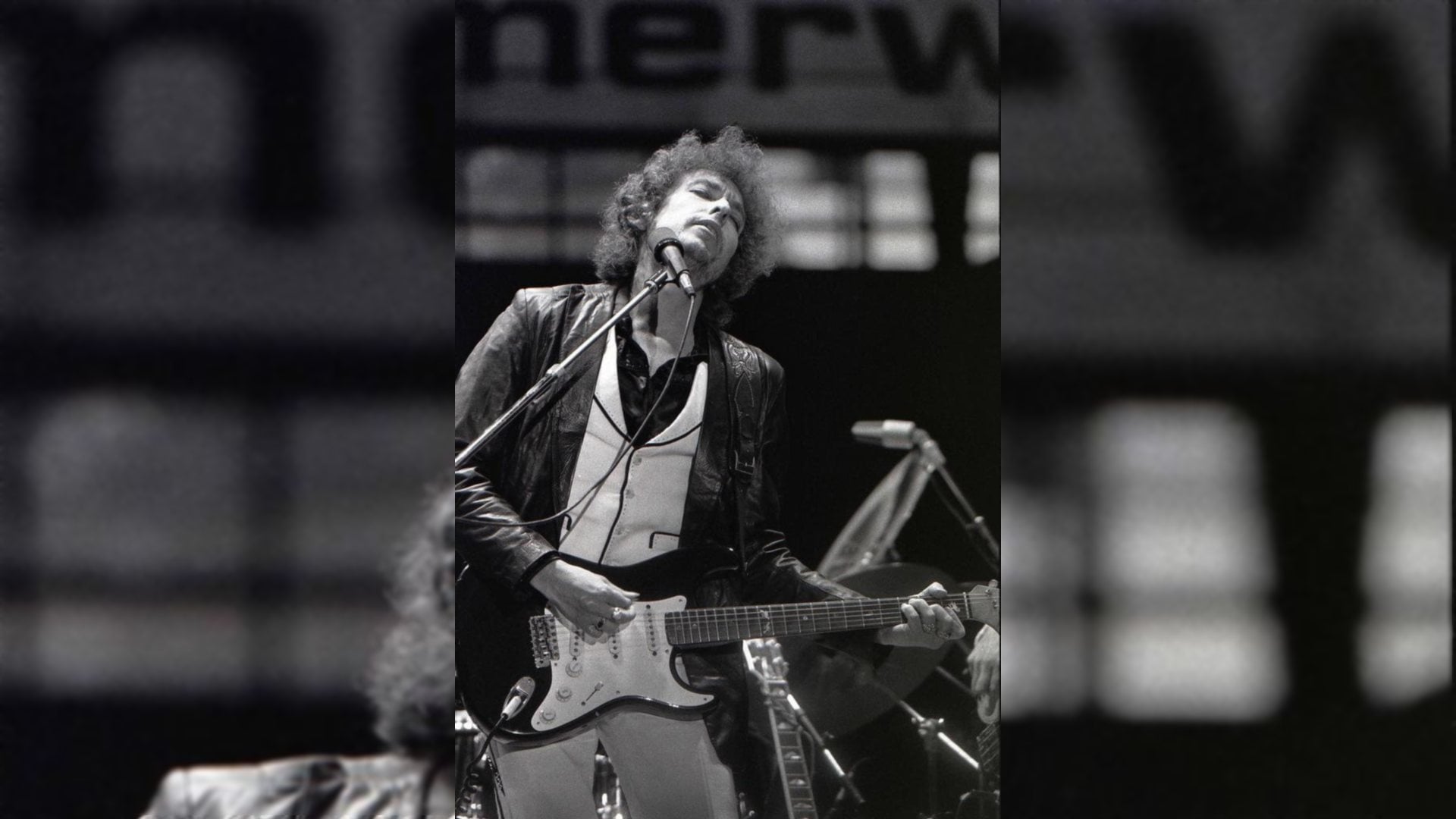
That same day in 1970, the Hollywood Bowl hosted an all-star tribute to Woody Guthrie, honoring a songwriter whose work had shaped American folk music and protest song. The program included Joan Baez, Pete Seeger, Arlo Guthrie, Odetta, Richie Havens, Ramblin’ Jack Elliott, Country Joe McDonald and other performers associated with folk, blues and the counterculture. Guthrie had died three years earlier, but his songs, including “This Land Is Your Land,” continued to circulate through concerts, schools and political movements. The gathering connected artists from different generations around his writing and reinforced the idea that folk songs could be both historical documents and living material. It also illustrated the communal side of the folk revival: performers did not simply preserve older music; they used it to address questions of labor, peace, democracy and belonging in their own time.
On Sept. 12, 1975, Pink Floyd released “Wish You Were Here” in the United Kingdom. Coming after the enormous success of “The Dark Side of the Moon,” the album faced unusually high expectations, yet it became one of the band’s most enduring works. Its centerpiece, “Shine On You Crazy Diamond,” was written in tribute to former Pink Floyd member Syd Barrett, whose declining mental health and departure from the group had deeply affected the band. The album also examined absence, alienation and the pressures of the music business in songs including “Welcome to the Machine” and “Have a Cigar.” Even the original packaging extended those ideas: the record was initially sold in black shrink-wrap with a sticker, concealing its famous handshake cover. With its long-form arrangements, studio detail and emotional focus, “Wish You Were Here” became a landmark of progressive rock.
On Sept. 12, 1989, Aerosmith released its 10th studio album, “Pump.” The record strengthened the band’s comeback after the commercial revival of the late 1980s and produced radio staples including “Love in an Elevator,” “The Other Side,” “What It Takes” and “Janie’s Got a Gun.” The latter song stood apart for addressing child sexual abuse through a dramatic narrative and won Aerosmith a Grammy Award for best rock performance by a duo or group with vocal. “Pump” balanced hard-rock riffs with polished production, memorable hooks and a more varied set of themes than the band’s party-image reputation might have suggested. Its success helped keep Aerosmith central to mainstream rock as the decade closed, while its videos and singles made the group a major presence on MTV as well as rock radio.
On Sept. 12, 2008, Metallica released “Death Magnetic,” its ninth studio album. The release marked a return to longer, more intricate thrash-metal structures after the band’s previous studio album, “St. Anger.” Songs such as “The Day That Never Comes,” “Cyanide” and “My Apocalypse” combined aggressive riffing with extended arrangements, placing the record in conversation with Metallica’s earlier work while reflecting a new era for the group. “My Apocalypse” later won the Grammy Award for best metal performance, and “Death Magnetic” was nominated for best rock album. The album’s package also received a Grammy for best recording package, recognizing its visual presentation. Two decades and more after Metallica had helped bring metal to a global mainstream audience, “Death Magnetic” showed the band still engaging directly with the style that had built its reputation.