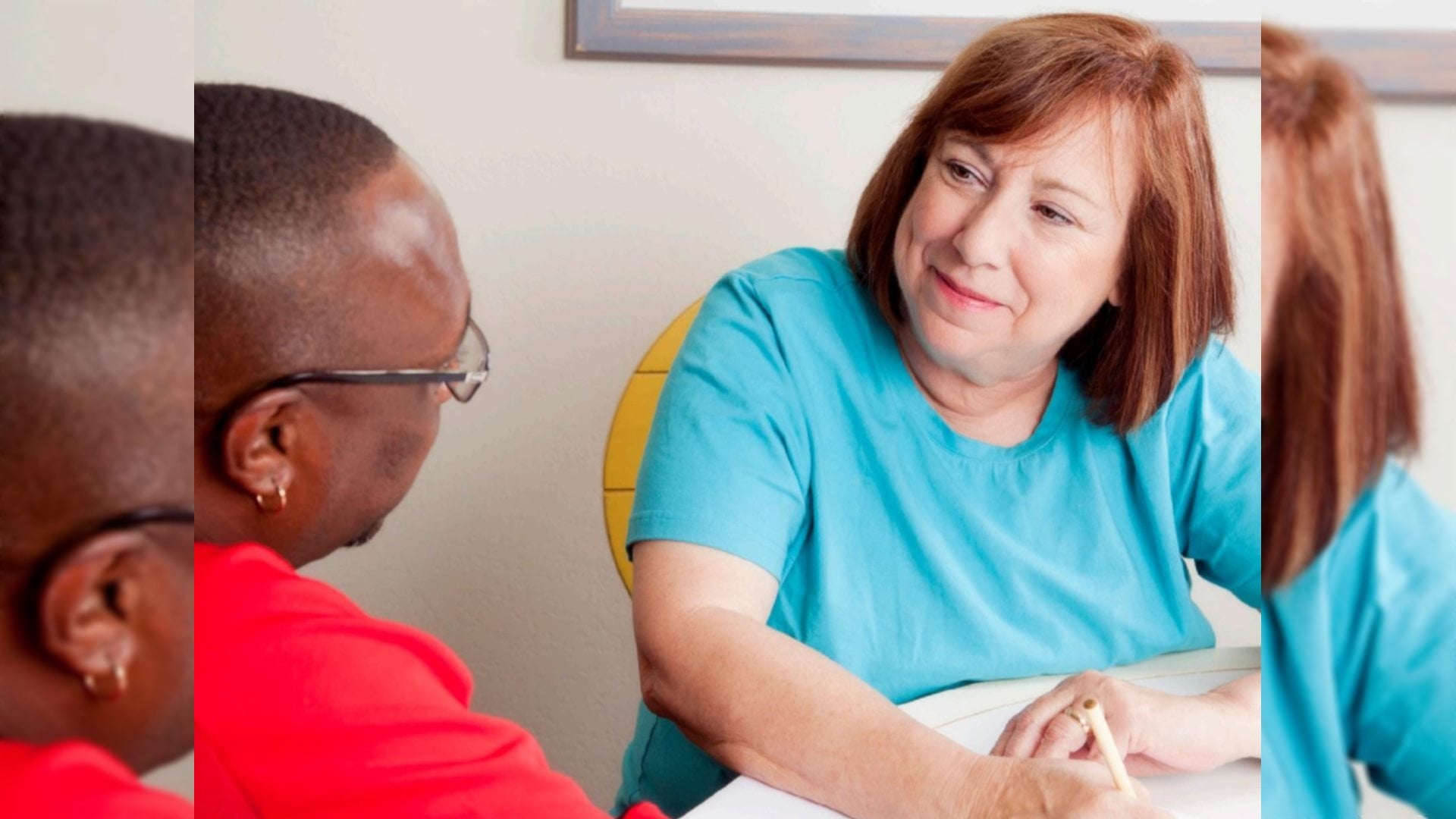
 Centerstone Counselor and Case Manager
When life is spiraling out of control because of substance use disorder, treatment can be a lifeline. But too often, people who could benefit from help don’t seek it because of misconceptions or misplaced fear. Making the first call for help can be intimidating for many reasons, causing people to delay or defer much-needed treatment.
Get The Latest News!
Don't miss our top stories and need-to-know news everyday in your inbox.
Some people may wonder if they really need help and many don’t know whom to call or what to expect when they do reach out. These unanswered questions can act as barriers to recovery, but Centerstone is dedicated to breaking down those barriers.
Do you need help?

Start by asking yourself the following questions:
- Have you tried to reduce or control your substance use unsuccessfully?
- Do you have any legal problems as a result of substance use?
- Have you ever driven somewhere, gone to work or taken care of your children while under the influence?
- Do you continue to use even though it is having a negative impact on your relationships?
- Have you ever experienced shakes, sweats, sleeping problems, headaches, loss of appetite, paranoia or seizures when you try to stop using?
- Have you increased your substance use in order to recreate the feelings you experienced when you first started using?
- Do you isolate yourself because of your substance use?
If you answered “yes” to two or more of these questions, you could benefit from treatment.
Where can you find treatment?
- Centerstone is a not-for-profit leader in mental health and substance use disorder treatment. Centerstone offers treatment in Florida, Illinois, Indiana, and Tennessee. You can find out more about Centerstone online at www.centerstone.org.
- If you live in another state, the Substance Abuse and Mental Health Services Administration (SAMHSA), a branch of the U.S. Department of Health and Human Services, has a treatment locator tool on their website at samhsa.gov
- Ask your medical doctor for a referral.
What kind of treatment do you need?
There are several levels of services available. Making the initial call to a treatment facility should involve an intake process that can guide you toward the right level.
- Detoxification services, often referred to as detox, can help you if you’re using or misusing substances and can’t stop on your own. Detox programs provide a safe environment and professional help to get you through withdrawal.
- Inpatient services, often referred to as residential treatment, can provide a place to live at a treatment facility where you can attend classes, as well as group or individual counselling sessions. Residential treatment can help you escape from an unhealthy living environment and transition into a recovery environment where you’re able to reduce your dependence and learn healthy living skills.
- Outpatient services are an option if you live in an environment that will not interfere with your recovery. Receiving outpatient services may include medication and weekly group or individual counseling sessions.
These treatment services often go hand in hand. If you start in detox, you can transition into inpatient and/or outpatient services. If you have any questions, please call Centerstone at 1-877-HOPE123 (877-467-3123). We can answer your questions and help you take the first steps toward recovery.
Mandy Hazel, BS CADC has been a counselor and case manager at Centerstone’s Fellowship House Campus since July 2014. Mandy works with patients in the outpatient, detox, residential and family programs and has also served as a preventionist.
About Centerstone:
Centerstone is a not-for-profit health system providing mental health and substance use disorder treatments. Services are available nationally through the operation of outpatient clinics, residential programs, the use of telehealth and an inpatient hospital. Centerstone also features specialized programs for the military community, therapeutic foster care, children’s services and employee assistance programs. Centerstone’s Research Institute provides guidance through research and technology, leveraging the best practices for use in all our communities. Centerstone’s Foundation secures philanthropic resources to support the work and mission of delivering care that changes people’s lives.