 LITCHFIELD - There are some seed labels that can sometimes be hard to decide on which is best for your garden. The terms I see on seed packages that used to be confusing to me were “Heirloom”, “Hybrid” and Non-GMO”. What do they mean? What should I choose?
“Non-GMO” simply means that the seeds in this package are not GMO seeds. GMO seeds are Genetically Modified Organisms. These are seeds that have had their DNA intentionally altered in a lab. For anyone who is hesitant to use GMO seeds, I have some good news for you! It is illegal to sell GMO seeds in any home garden retail venue. There are absolutely no Genetically Modified garden seeds available for sale to the public. They are for commercial sale only. You will never accidentally pick up a package of genetically modified beets at your local garden center or any online store carrying seeds sold to the public. The “Non-GMO” labeling on the packaging of seeds is just for show. It's a marketing gimmick seed companies use to gain attention and trust.
Get The Latest News!
Don't miss our top stories and need-to-know news everyday in your inbox.
 The next label to be familiar with is “Hybrid.” A lot of people confuse this with GMO. Where a GMO is scientifically altering a seed's DNA, a “Hybrid” is just two parent plants crossing genetics naturally through open pollination. If you have a hybrid red cherry tomato that came from one red parent tomato with the pollen of a sweet yellow tomato, you have a cross, or a “hybrid”. Many people find that their favorite hardy varieties are hybrids. I have created some delicious strong varieties in my gardens totally by accident. The problem with hybrids is that they aren't stable. If you take the seeds from your favorite hybrid cherry tomatoes to use for next year's garden, you won't get the same tomato your hybrid seeds produced for you. You will get tomatoes that have features more like one of the original parent plants. Your tomatoes may not be the right color, or they won't be as healthy, or they won't be as sweet. The traits can vary drastically. It takes quite a few generations of selective breeding to create a stabilized hybrid.
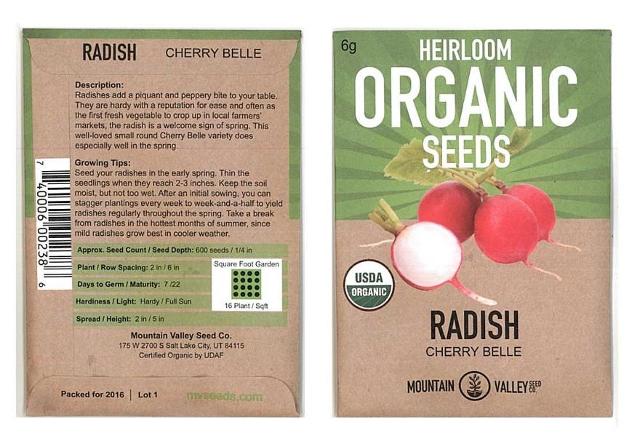
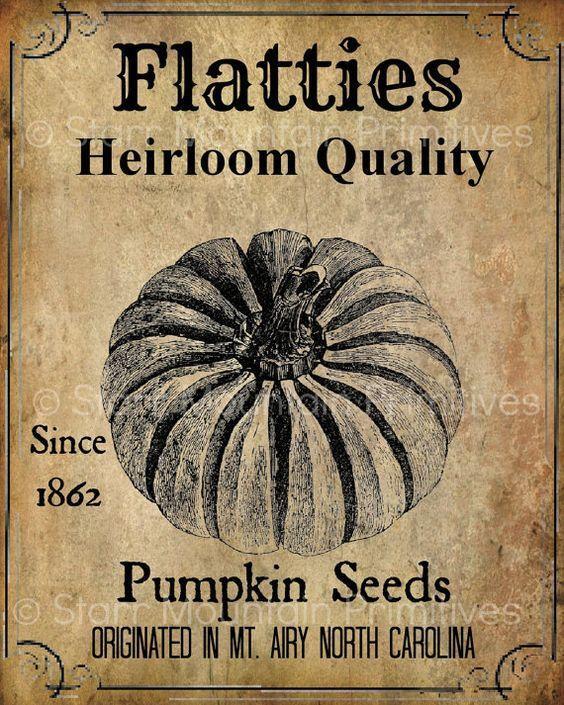
“Heirloom’s is when you collect seeds from your fruit to plant and find the exact same traits in your new plants as you had in your parent plants. An heirloom variety very well may have come from a hybrid that has just been crossed and reproduced so many times that it is now stable. Every time you save seeds to plant, you get the same traits as its parent plants. Just how long it takes for one variety to be considered an heirloom as opposed to a hybrid is open for debate. I think 100 years is commonly accepted, but some purists say that no stabilized hybrid produced after commercialized hybrids can ever be considered an heirloom. But really, all heirloom varieties are stabilized hybrids.
I hope this information is helpful and you get out there and get your hands dirty! Please feel free to share your experience and tips on my Instagram or Facebook page @BottomViewFarmIL.
Kris Hart lives in Litchfield and has a small hobby farm making strides towards sustainable living and organic/heirloom gardening. Contact her at kris.hart17@yahoo.com.
This story originally printed in April 2022 issue of The Prairie Land Buzz Magazine, a free publication distributed monthly to 11 IL counties. Find out more atThe Prairie Land Buzz Magazine