 ALTON - Ali Ball has been an avid runner since high school, but even she had to think long and hard about taking it to the next level in 2021.
“Crazy” and “kinda weird” are some of the phrases she heard people say about ultrarunning, which describes a race longer than the marathon length of 26.2 miles.
Get The Latest News!
Don't miss our top stories and need-to-know news everyday in your inbox.
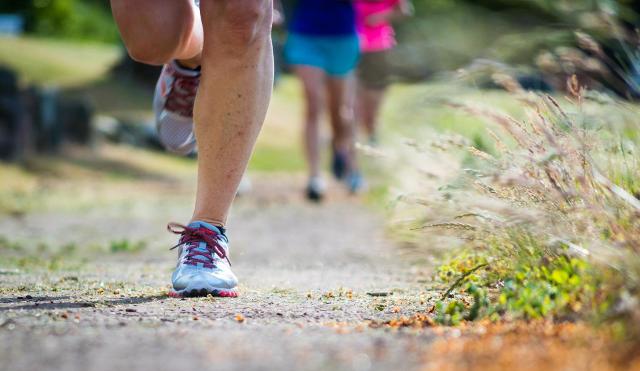
Ball, an OSF HealthCare exercise coordinator, says ultrarunning can be fulfilling if you keep your body and mind in the right shape for the grueling competition. It’s no doubt daunting, but it’s a hobby to consider during summertime when many people lace up their running shoes.
The basics of ultrarunning
Ultramarathons usually range from 30 miles to 250 miles. They are also measured in kilometers, with one kilometer equaling around .6 miles. Ball says 50 kilometer, 50 mile or 100 kilometer races are the most popular. Either way, she says you’ll be pumping the legs for at least six hours. The longer events are broken up into stages over multiple days. Some races are on flat surfaces like a road. But many are on rugged terrain like a trail.
Training
Ball says the most important preparation for an ultramarathon is getting used to running.
“You should be running five to six days per week without soreness or injury,” Ball says. “Having that solid running base when you start your ultrarunning training program will prevent injury.”
From there, your mileage may vary - literally. Ball says each person’s training will be different, but you should cut back if you’re hurting. Even if you’re chugging right along, don’t increase your miles more than 5% to 10% per week. A one-to-two-mile increase per week is common. And make every fourth week of training a recovery week where you cut back on your miles. This prevents injury and mental fatigue.
After your first race, Ball advises to take a two week break before you resume training. Others who are lagging further behind may need a month off.
Training with a person or a group helps keep you accountable. In fact, Ball likes to train with slower runners so she’s forced to stay with the pack and not overdo it.
The race
Some things to expect during an ultramarathon:
- Food: Ultrarunners go at a slower pace so they can digest food better. This broadens what you can eat during a race, either something you brought or food at a race rest station.
“Carbohydrates will be your main source of energy,” Ball says. “Some people also eat fatty foods and protein. When you’re running that long, your body is breaking down the protein. You need to replace it.”
On the menu at some of Ball’s races: pickles, pretzels, potato chips, candy, quesadillas and grilled cheese sandwiches. She even scarfed down some bacon and pancakes during a recent event.
“It’s great,” she says with a smile and shrug.
- Drink: Take in 10 to 20 ounces of fluid every 10 to 20 minutes. Each runner has to find the right mix of water and electrolyte-rich drinks like Gatorade. Too much of each can cause problems.
- Blisters and chafing: Test out socks and shoes to find the types that keep you as blister free as possible. Sock material should wick away moisture since trail runs may have you crossing a stream. Go a half size bigger on your shoe size since your feet will swell. Blisters can be taped over or drained, but health care providers warn you not to drain one yourself unless you know how to do it safely.
For chafing, apply Vaseline or butter sticks (not the cooking kind) in areas that hurt.
- Vision and the mind: Some ultrarunners have reported blurred vision and hallucinations. Ball remembers a time when she mistook a tree root for a snake.
“Make sure you’re well hydrated and you’re eating,” to best prevent the mind games, Ball says. “I think that’s when they happen. When you just get so exhausted. You have a lack of sleep. Mentally, things go out the door.”
No, really. Why would I do this?
The physical benefits of exercise are well documented. But with ultrarunning, Ball likes the camaraderie the best.
“People are very laid back. Most don’t really care about their time. They’re just out there to have fun and complete the race,” Ball says. “Whenever you’re struggling, another runner or an aid station member is there helping you out and trying to get you through it so you can finish.
“It’s a very fun atmosphere.”