Southern Illinois University Edwardsville School of Pharmacy (SOP) researchers have been awarded a $398,000 grant from the National Institutes of Health (NIH) to assess the effects of various dietary fats on the brain vasculature in association with inflammation.
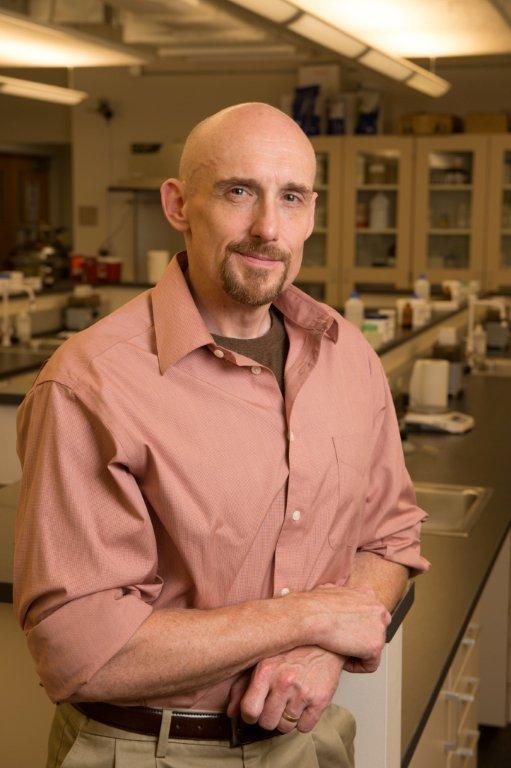 The receipt of the R21 grant marks the second concurrent grant presented by the NIH to Ken Witt, PhD, associate professor in the Department of Pharmaceutical Sciences in the School of Pharmacy. Witt is also currently working with a $2.65 million RO1 grant for Alzheimer’s research.
Get The Latest News!
Don't miss our top stories and need-to-know news everyday in your inbox.
“The designation of not one, but two grants by the NIH is remarkable,” said Gireesh Gupchup, dean of the SOP. “It further acknowledges Dr. Witt as a distinguished leader in the area of neuropharmacology scholarship. The SIUE SOP is incredibly proud to have a scholar of his caliber on our faculty.”
According to Witt, working with two concurrent NIH grants is exciting and invigorating. The primary goal of this particular research program is to define key dietary factors that may make the brain more susceptible to disease and/or cognitive decline.
Witt is working collaboratively on this program with Dr. Karin Sandoval, research assistant professor in the Department of Pharmaceutical Sciences at SIUE, and Dr. Joshua Wooten, assistant professor in the Department of Kinesiology and Health Education at SIUE.
“Obesity has become epidemic in Western society, with the U.S. adult obesity rate of 30 percent,” explained Witt. “The contributions of obesity to brain related illnesses such as stroke and neurodegenerative disease have been documented.”
Witt says what makes this research particularly unique is its focus on the brain microvasculature, the finer vessels such as arterioles and capillaries, as a target of dietary effects, not merely in the context of disease and health outcomes, but also in the identification of key proteinsthat may serve as targets for drug treatment.
“The R21 granting mechanism is designed to both target specific goals and promote future research,” Witt added. “Thus, while the grant is set for two years, the expectations are for the development of a more comprehensive long-term research program.”
Despite the independent goals of each of Witt’s NIH grants, he says the research programs drive each other forward. He has found numerous points ofinterrelation that provide further groundwork for yet more ideas and exploration.