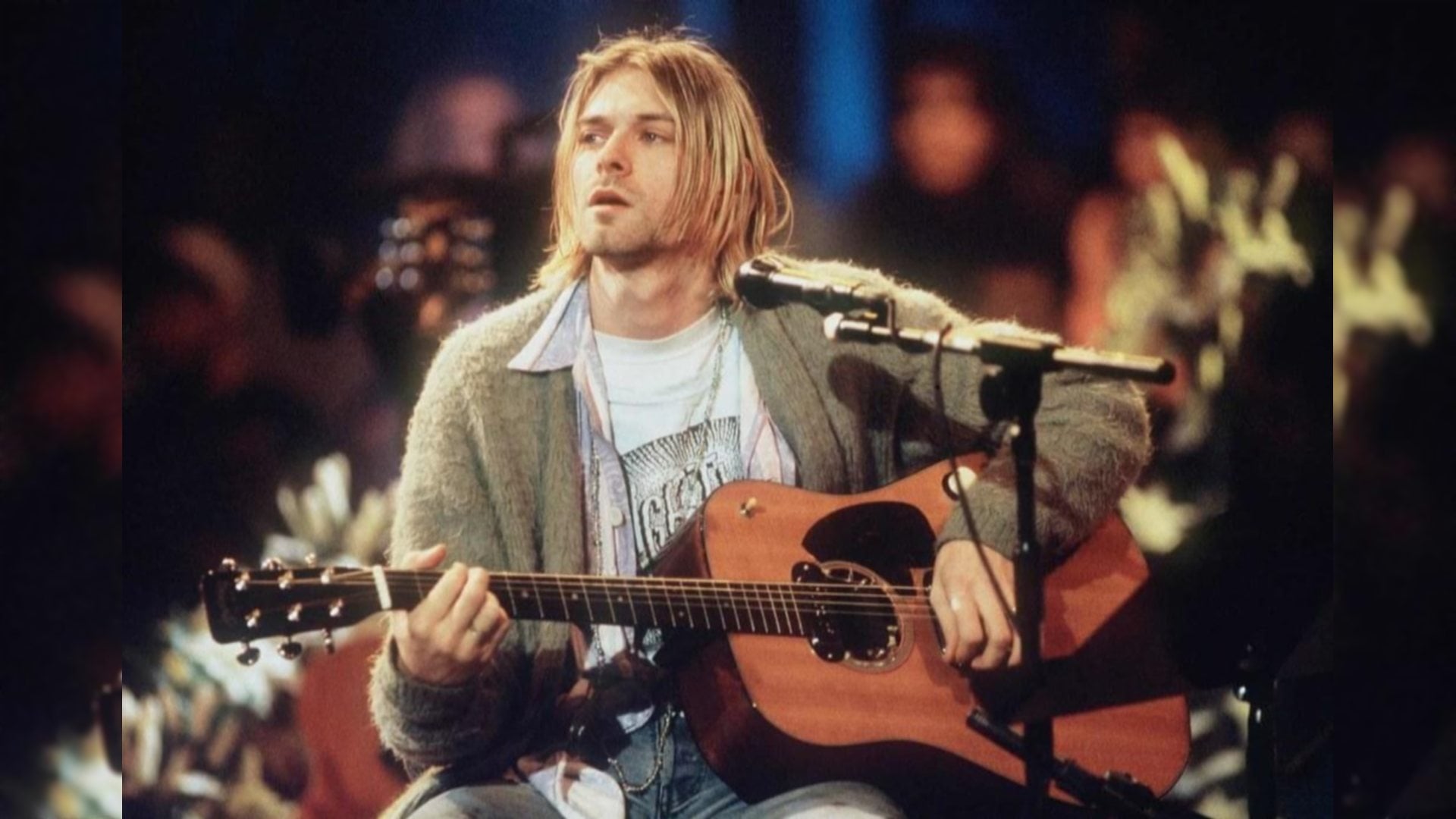
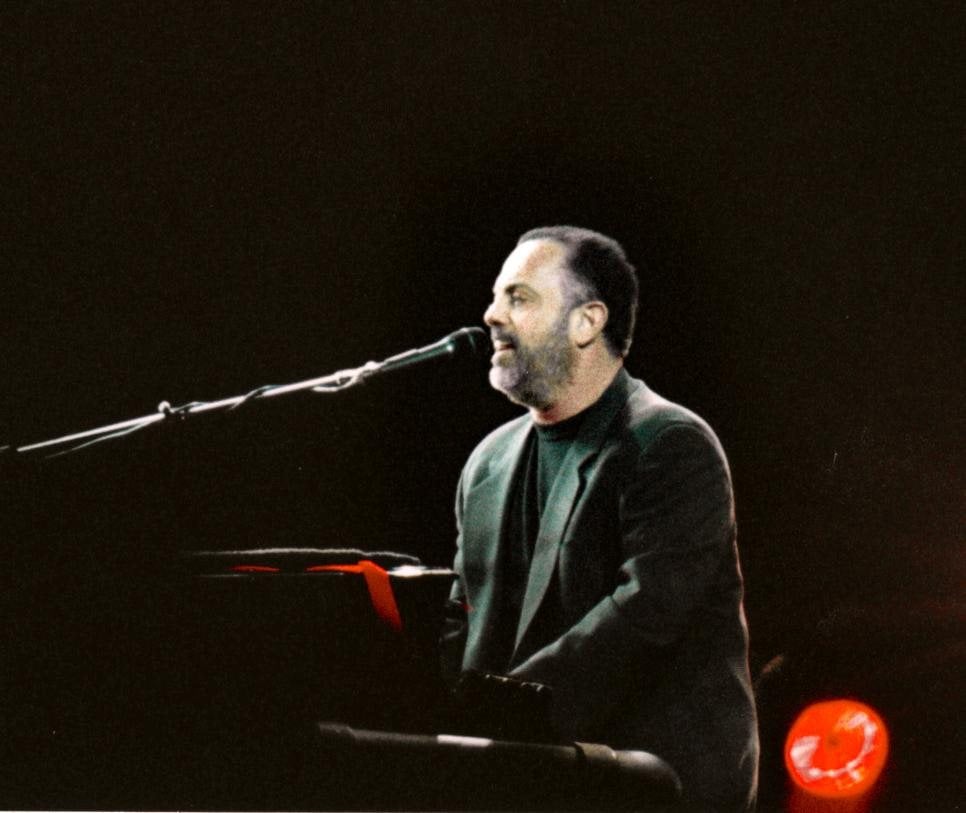
Billy Joel’s career changed course on Sept. 29, 1977, with the release of “The Stranger.” His first album with producer Phil Ramone brought together polished pop singles and ambitious storytelling, turning an established singer-songwriter into a major recording star. As Sept. 29, 2026, marks its 49th anniversary, the album stands at the center of a date that also brought important developments in television, hard rock and hip-hop.
Get The Latest News!
Don't miss our top stories and need-to-know news everyday in your inbox.
The day’s story begins earlier, on Sept. 29, 1963, when “The Judy Garland Show” premiered on CBS. Donald O’Connor and Jerry Van Dyke appeared in the opening broadcast, which had been taped nine days earlier. It was actually the seventh episode produced, a useful distinction: The series’ television debut was not Garland’s first recording session for the program. The weekly format gave audiences a sustained showcase for her singing and stage presence rather than a single special.
The series ultimately produced 26 hourlong episodes, preserving a substantial collection of musical performances. Its guests included Count Basie, Lena Horne, Tony Bennett and Liza Minnelli, while another episode brought together Garland, Barbra Streisand and Ethel Merman. Seen as a collection, those programs document several generations of American popular entertainment sharing a television stage. The premiere opened a series whose lasting importance lies in the performances it captured, not simply its place on a network schedule.
Fourteen years later, Joel released “The Stranger,” his fifth studio album. Ramone’s arrival marked the beginning of a productive partnership, and the record supplied four enduring singles: “Just the Way You Are,” “Movin’ Out (Anthony’s Song),” “Only the Good Die Young” and “She’s Always a Woman.” The combination gave listeners several points of entry into the same album, from a gentle declaration of love to more forceful, character-driven pop.
Its reach extended beyond those singles. “Scenes From an Italian Restaurant” and “Vienna” sat alongside the radio hits, giving the collection room for longer storytelling and quieter reflection. “The Stranger” reached No. 2 on Billboard’s album chart, and “Just the Way You Are” subsequently won Grammys for record and song of the year. The breakthrough was not a wholesale reinvention of Joel so much as a successful presentation of his range within one coherent album.
On Sept. 29, 1992, Alice in Chains released “Dirt,” an album that pushed the darker side of the era’s hard rock into sharp focus. Its track list included “Them Bones,” “Down in a Hole,” “Rooster” and “Would?” Rather than relying on speed or volume alone, the music used heavy riffs, shifting rhythms and Layne Staley’s expressive singing to create a persistent sense of unease.
The contrast between the album’s punishing passages and its slower songs was central to its identity. “Rooster” and “Down in a Hole” showed how expansive and emotionally weighty a hard-rock ballad could be without losing the band’s intensity. “Dirt” also received a Grammy nomination for hard rock performance in 1993. It helped demonstrate that the music grouped under the grunge label could contain markedly different voices and approaches.
That same day, Stone Temple Pilots made their album debut with “Core.” Singer Scott Weiland, guitarist Dean DeLeo, bassist Robert DeLeo and drummer Eric Kretz introduced a collection that included “Sex Type Thing,” “Wicked Garden,” “Creep” and “Plush.” The record became the foundation of a rapid rise: By the following summer, the band had become a major rock attraction through its recordings and live performances.
“Core” eventually reached No. 3 on the Billboard 200, and “Plush” earned the band a Grammy for hard rock performance in 1994. Those results made the debut more than a promising introduction. Together, the simultaneous releases of “Core” and “Dirt” make Sept. 29 a particularly notable date in the development of early-1990s rock, with two bands establishing durable bodies of work on the same record-store release day.
On Sept. 29, 1998, Outkast released “Aquemini,” expanding the possibilities of Southern hip-hop. André 3000 and Big Boi combined sharply drawn storytelling with arrangements that drew on funk, soul and live instrumentation. “Rosa Parks” paired forceful percussion with acoustic guitar and harmonica, while “SpottieOttieDopaliscious” and “Liberation” gave the album space to stretch beyond compact rap-song structures. Its regional character was a source of invention rather than a limitation.
The album helped connect Outkast’s standing as Southern innovators with the broader pop audience that would follow. Its importance rests partly in that refusal to choose between accessibility and experimentation: The songs could be inviting, strange, reflective and rhythmically immediate within the same collection. “Aquemini” made a persuasive case for Atlanta’s creative importance by sounding distinctly like itself.
The chronology reaches Sept. 29, 2009, with Paramore’s third studio album, “Brand New Eyes.” Produced by Rob Cavallo, it followed “Riot!” with songs including “Careful,” “Ignorance” and “Brick by Boring Brick.” Tension and difficult communication became material for an album that retained the band’s energetic approach while sharpening its emotional focus.
“The Only Exception” offered another direction and later received a Grammy nomination for pop performance by a duo or group with vocals. That recognition underscored the broader possibilities emerging within Paramore’s sound. Like several of the records released on this date, “Brand New Eyes” marked growth not by abandoning an established identity, but by making more room inside it.