 PEORIA - There are new interview clips below featuring the director of the Office of Preparedness and Response for OSF HealthCare.
OSF HealthCare leaders remain prepared and on alert if the situation changes and the relatively contained COVID-19 virus spreads more quickly in Illinois and the US.
A fifth Illinois patient has tested positive for COVID-19 and is a 20-year-old college student in Cook County. Public Health officials said the student recently returned from a trip to Italy. The Vanderbilt University student is being treated at Rush University Medical Center in Chicago. The student is reported to be in good condition.
Get The Latest News!
Don't miss our top stories and need-to-know news everyday in your inbox.
Worldwide, more than 94,000 people have been sickened and more than 3,200 have died from the rapidly-spreading virus. There have been 14 deaths linked to the virus in the United States.
The outbreak first started in Wuhan, China, but cases have been identified in a growing number of other international locations, including the United States. The Centers for Disease Control and Prevention will be updating its locations link regularly on Mondays, Wednesdays, and Fridays along with any current travel advisories.
Last month, Illinois became the first state to provide COVID-19 testing in-state and public health officials are working on increasing capacity for rapid results.
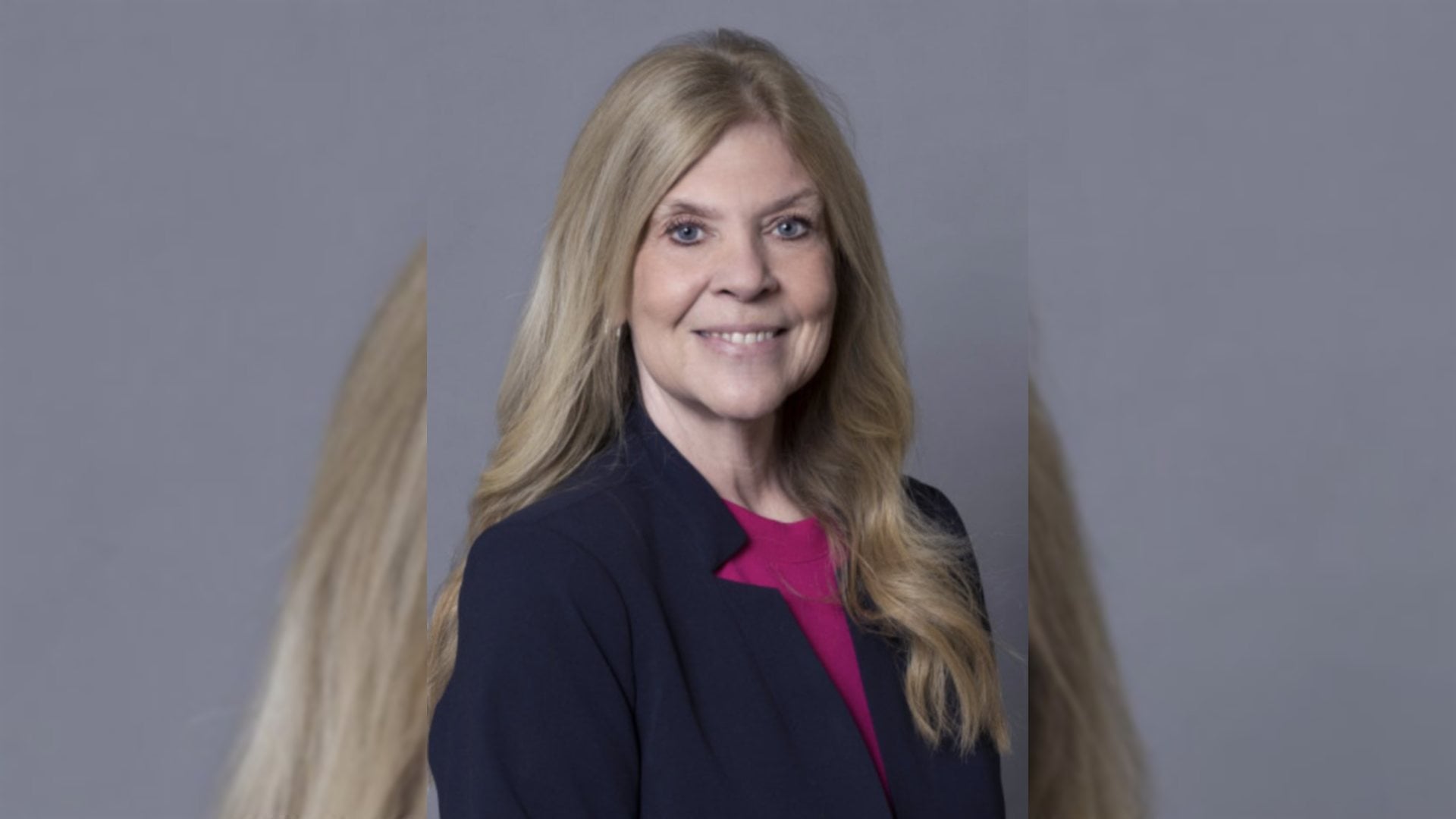
OSF HealthCare Director of Infection Prevention and Control Lori Grooms said the Peoria-based health system is working with state and federal public health officials to take all preventative steps available to limit the spread of COVID-19, even though the virus is not spreading in an uncontained way right now.
Infection Prevention Mission Partners (employees) throughout OSF HealthCare have daily contact with public health agencies, in addition to supply chain and emergency management leaders within the hospital system.
“We have already drafted plans if we were to fall short on some of our necessary supplies (such as Personal Protective Equipment) but we are not at a point where supplies are not available for patient care." she said.
Grooms says for example, OSF HealthCare is working to conserve critical supplies such as N95 masks and we could begin to cluster care.
“Instead of going into the room three times to perform three separate tasks, how can we bring those tasks together and perform them all at the same time. That would help to alleviate the burden on the number supplies that we need; the protective equipment that we’re wearing,” she suggested.
The best approach to reduce the spread of any airborne virus, including the flu and COVID-19, is community-level mitigation. More simply put, that means taking everyday preventive actions, such as frequent hand-washing. Simple precautions are the first line of defense against infectious diseases.
Grooms also emphasizes coughing into your sleeve or a tissue and then washing hands. And, don’t forget to sanitize your cell phone at least once daily.
She stressed, “A cell phone pretty much is an extension of your hand and we put it in our purses, put it down on the counter, people probably take it into the bathroom with them you know. It had a lot of contact with a lot of surfaces that have germs on them.”
Most importantly, health officials including Grooms are begging people to stay home if they are sick. While no one likes to burden co-workers with additional duties, Grooms says the results will be worse if you come to work sick and infect others.
COVID-19 causes pneumonia-like symptoms, ranging from mild such as a slight cough to the more severe with fever and difficulty breathing. The CDC says the virus has had the biggest impact on the elderly and people with weakened immune systems.
Grooms recommends if you have been to one of the countries with COVID-19 and you have flu-like systems call ahead to make sure the urgent care or medical office is prepared to see you.
“Our call center does have a triage group that will ask you some questions and will really help you know where’s the best place to go so you’re not having to go to the doctor’s office and be transferred to another office to be transferred to another office.” She adds, “We want to direct you to where you’re going get the appropriate care and the appropriate level that you need.”
She also encourages using OSF OnCall which offers an online visit to treat many conditions and the health provider can also give advice about the need for additional medical treatment.
There is no vaccine yet for the virus and supportive care in isolation is the usual treatment except in the most severe cases of COVID-19 which could require breathing treatments and/or use of a respirator.
Health officials acknowledge the mortality rate of COVID-19 is 2.3% but the incidence and the impact of the seasonal flu remains far greater. Anyone six months or older should get a flu shot this season which is expected to last longer into this spring.
Consult your doctor early on for the best treatment, but also be aware of emergency warning signs that require urgent medical attention.
OSF HealthCare is taking proactive preparedness measures
OSF has always taken a proactively cautious approach to the spread of infectious conditions. Patients and visitors may be asked to wear masks based on their presenting symptoms. At times, further evaluation is completed in rooms with special ventilation.
All OSF HealthCare settings are prepared to identify and appropriately direct patients to the correct place to receive care.
Infection prevention specialists are at every OSF hospital. They, along with other key leaders, are in touch daily with the updated surveillance information from the Illinois Department of Public Health and Centers for Disease Control and Prevention.
Following federal health and safety guidelines, OSF HealthCare is also actively using methods to conserve supplies, protect our patients, their families and our Mission Partners.
The following preparedness messaging is from Troy Erbentraut, Director of the Office of Preparedness and Response, OSF HealthCare.
Troy Erbentraut, Director of the Office of Preparedness and Response, OSF HealthCare
“There’s a whole team of people who are working diligently to make sure that OSF can stay ahead of this event and mitigate what we can mitigate, and continue to treat our patients with the greatest care and love.”
“We have prioritized being prepared as a health system, for all things that happen. Because at the end of the day OSF wants to stay very nimble and fluid and be able to provide patient care. So no matter what happens in the world, we have some levels of preparedness.”
“The idea about preparedness is there’s no checkbox. You’re never done. So we can’t ever write a plan or develop some procedures and say, ‘Oh. We’re prepared,’ and just put that away and be done. Preparedness is a cyclical process that continues to go, so as we prepare for one thing, then something else happens, but that preparedness all helps each other and it works together. It’s like the cogs of a wheel.”