EDWARDSVILLE — Fewer fatal overdoses have not ended the toll of opioid addiction in Madison County, where Chairman Chris Slusser gathered emergency responders, health professionals, judges and recovery advocates Friday to examine the crisis and its effects on families, public safety and taxpayers.
Get The Latest News!
Don't miss our top stories and need-to-know news everyday in your inbox.
“This issue, I think, has touched everyone in Madison County,” Slusser said, calling the opioid crisis a top priority of his administration.
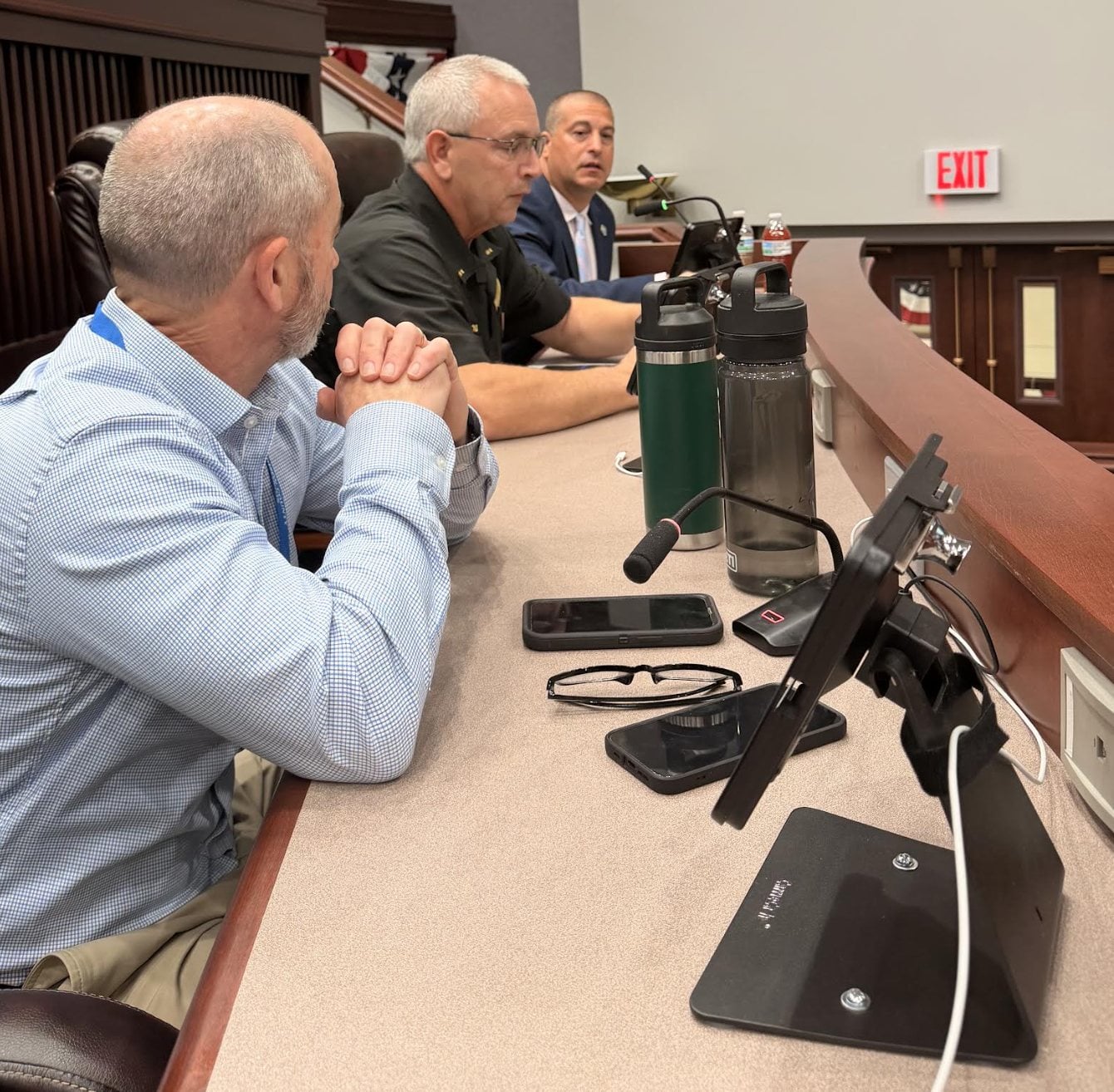
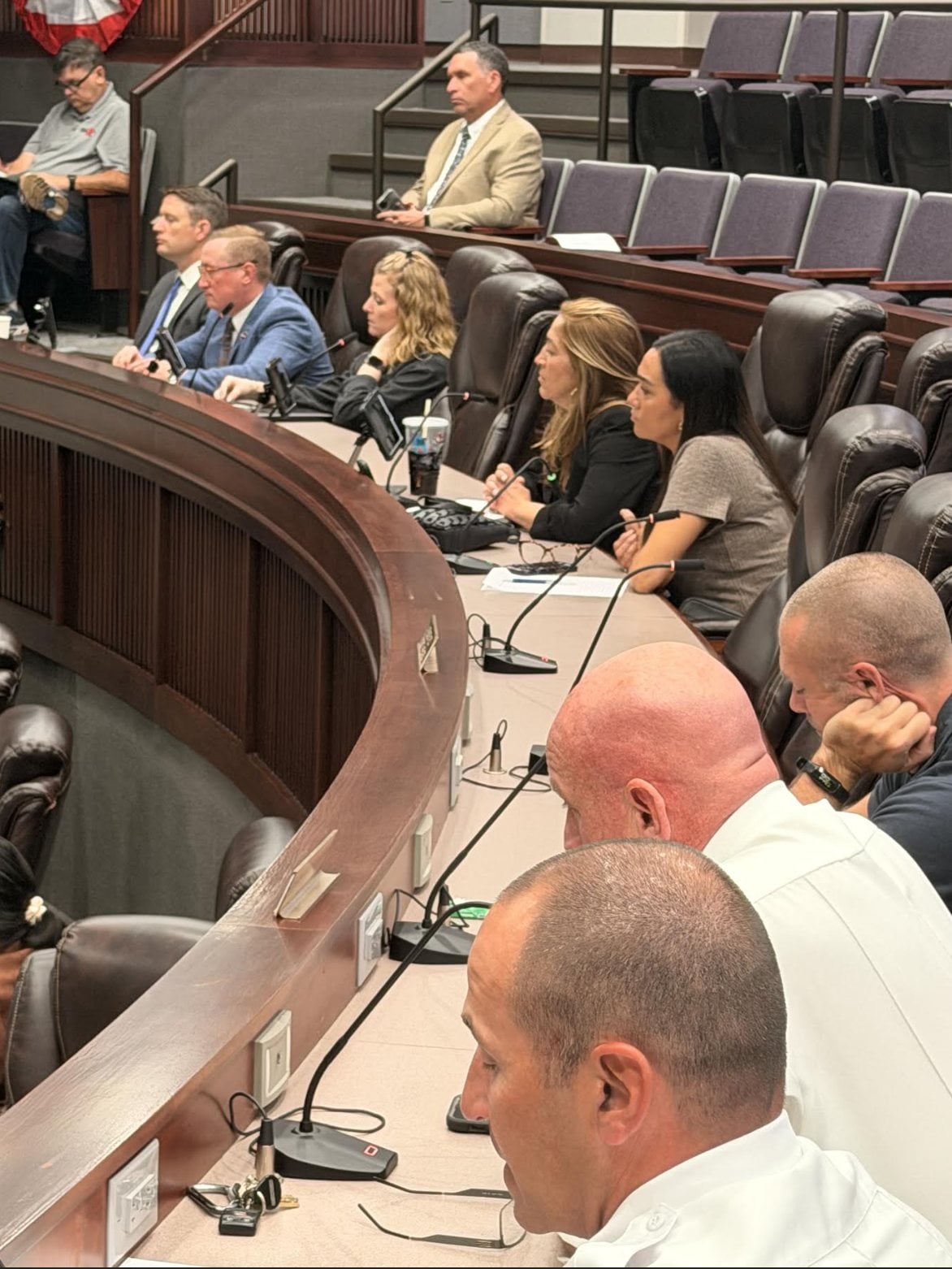
The discussion included representatives from the Sheriff’s Office, Coroner’s Office, Health Department, Mental Health Board, judiciary, probation, emergency services and nonprofit organizations. Officials cautioned that addiction continues to strain emergency services, the criminal justice system and treatment providers despite a decline in overdose deaths.
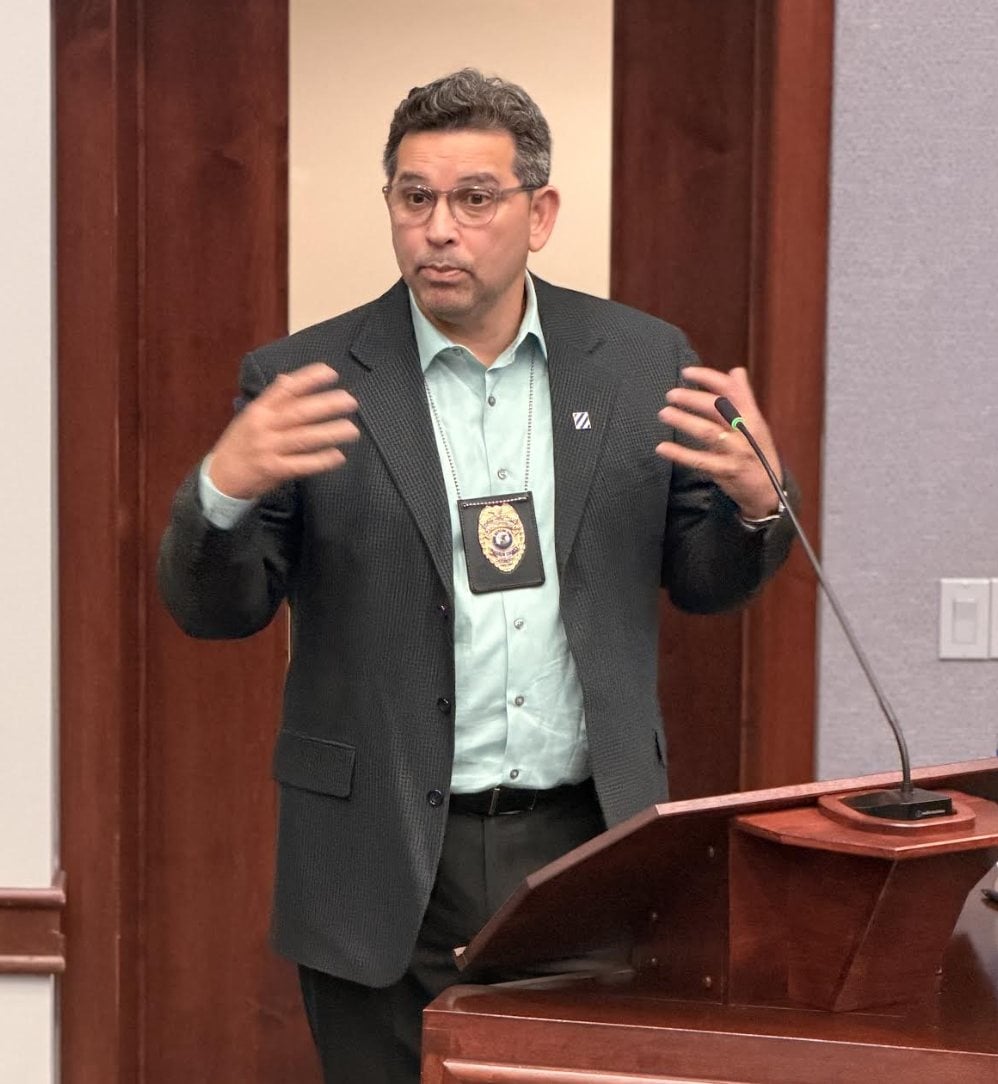
Chief Deputy Coroner Kelly Rogers reported 48 drug overdose deaths so far in 2026, including 26 involving opioids. Chief Deputy Sheriff Marcos Pulido said deputies respond to suspected overdoses nearly every day or every other day.
Madison County Community Health Director Emily Won said behavioral health remains a county priority, with prevention efforts focused on education, Narcan distribution and improved access to treatment.
Wood River Fire Chief Nate Kamp said improvements in overdose response have not resolved the underlying problem.
“It is better, but the underlying issue is the same,” Kamp said. “We are just better at mitigating it.”
Kamp, a 2000 graduate of East Alton-Wood River High School, recalled attending school with Ty Bechel, founding board president of the Riverbend Nonprofit Center of Excellence, as prescription painkillers became increasingly common among their generation.
“Ty was in my graduating class,” Kamp said. “It was like it started right in our generation.”
Kamp said he, Bechel and a police sergeant later developed a program to educate students about addiction after compiling a list of people they knew who had died from drug use.
“We put together a list of 30 people that we knew personally,” Kamp said. “They went to school with us, and they died.”
Bechel said his addiction began with prescription painkillers after his wisdom teeth were removed. After more than a decade in recovery, another prescription following surgery led to a relapse.
“I don’t want to see people suffer,” Bechel said. “I just want to help them get on their feet.”
Madison County Mental Health Board Executive Director Amber Donnelly said about 30% of the board’s budget supports substance use services, but funding requests exceed available resources. She also expressed concern about substance use and mental health challenges among young people.
Recovery advocates described experiences with addiction, homelessness and loss.
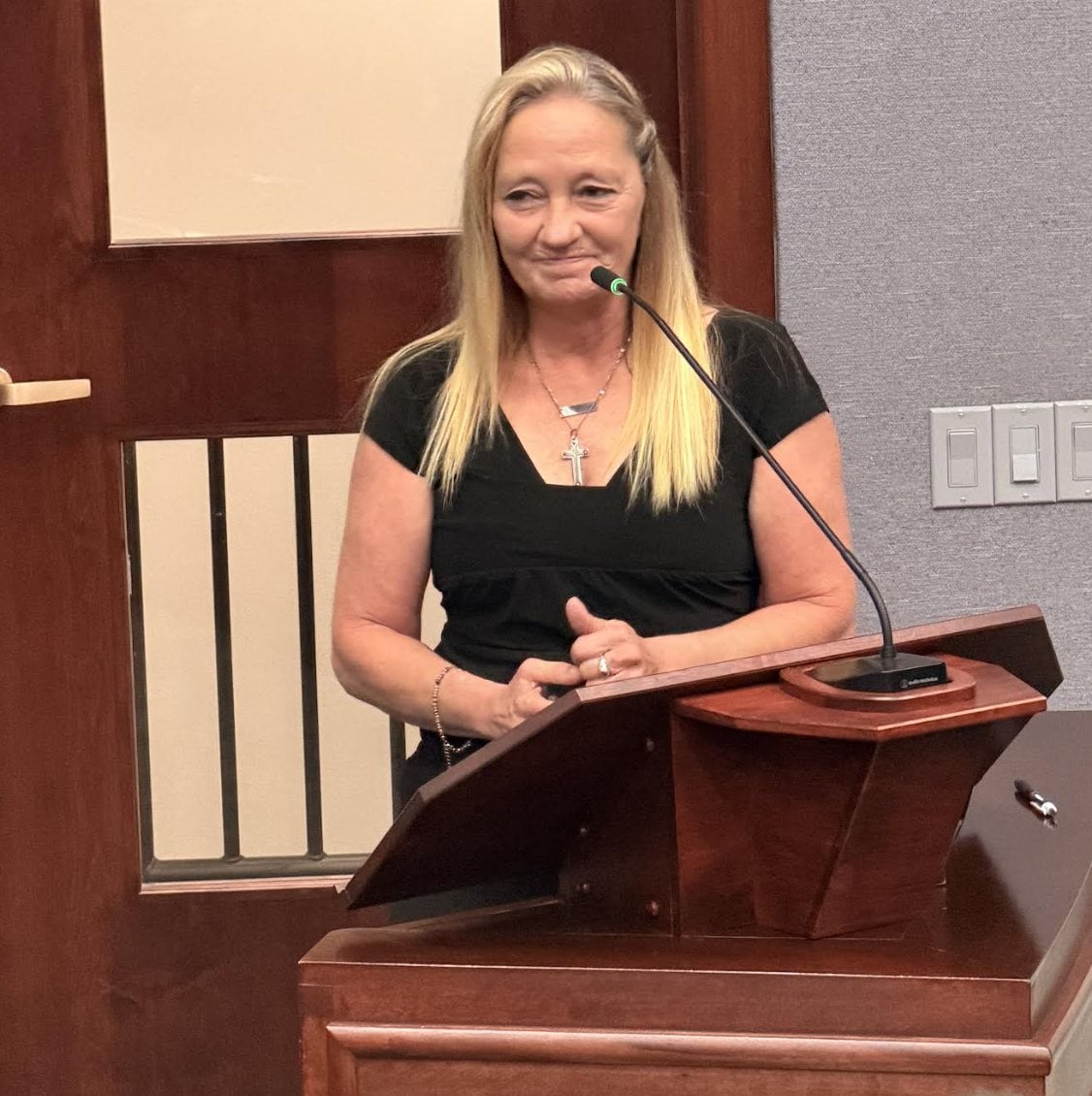
Christina Foster Beegle, president of Foster’s Light in the Dark, spoke about growing up with a mother struggling with addiction, losing three brothers to suicide and developing an addiction to prescription painkillers after a workplace injury.
After experiencing homelessness, she spent 19 days in a Nevada jail, an experience she credited with changing her life.
“That actually saved my life,” Foster Beegle said. “That was God giving me a timeout for the first time ever.”
Foster Beegle said she had been sober for four years, nine months and 18 days. She founded Foster’s Light in the Dark to honor people lost to overdose and suicide. The organization’s August candlelight vigil memorialized about 250 people.
She also spoke about Charlie Eccles, a 16-month-old girl who died from fentanyl poisoning.
“They are people, they’re not numbers,” Foster Beegle said. “Every one of them has a story.”
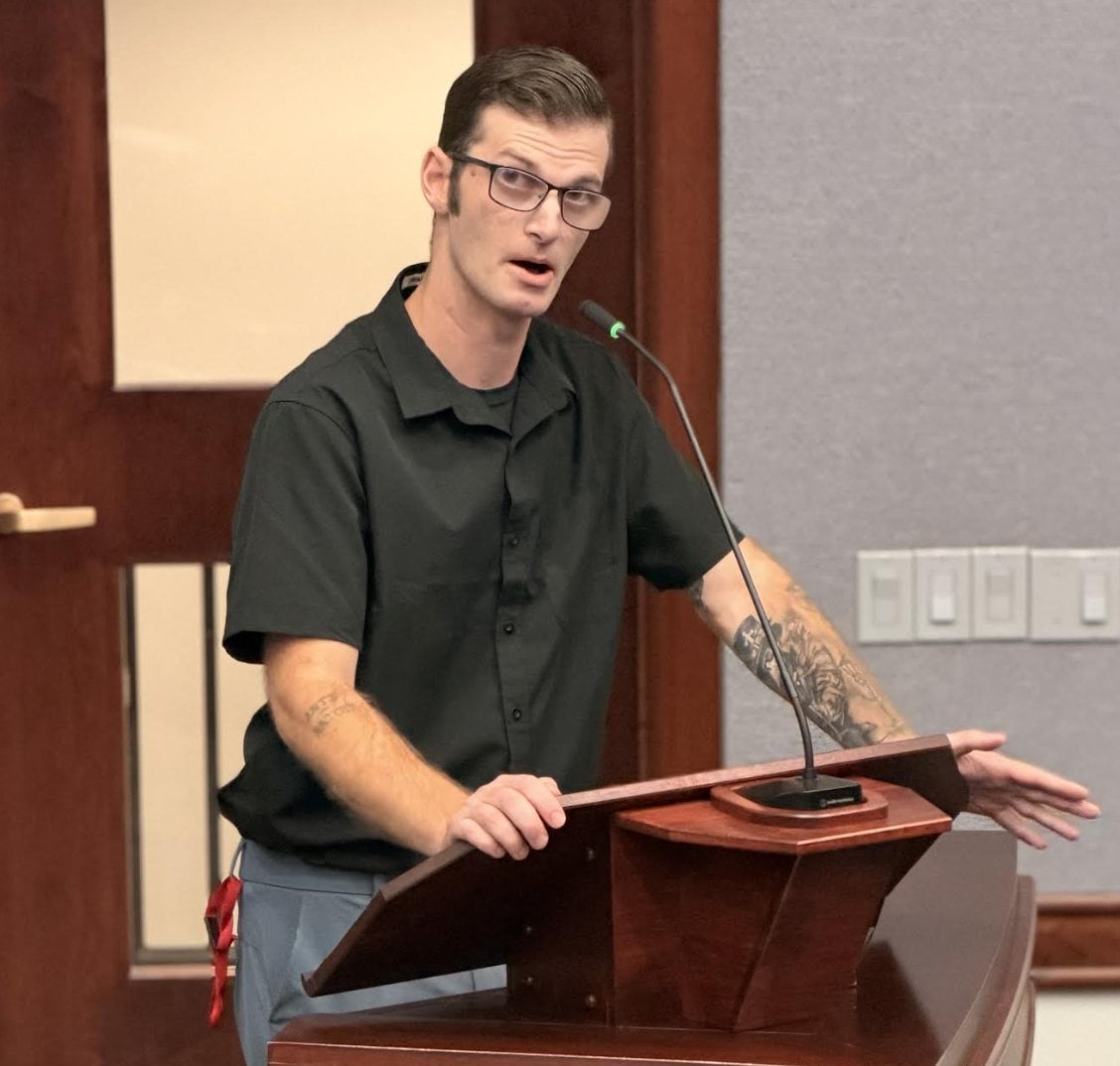
Zach George, executive director of Amare, described an addiction that began at age 11 after a skateboarding injury and eventually led to seven overdoses and homelessness. In 2020, a peer recovery specialist helped him access treatment and housing while he was living under a bridge in Seattle.
“I got to where I am because of connection with a peer support specialist,” George said.
George said Amare has seen an increase in opioid-related substance use among people seeking services over the past two years. The organization served 470 Madison County residents in 2025, including 176 who reported opioid-related substance use. So far in 2026, it has served 402 residents, including 196 who reported opioid-related substance use.
“This work matters,” George said. “These numbers matter. These people matter.”
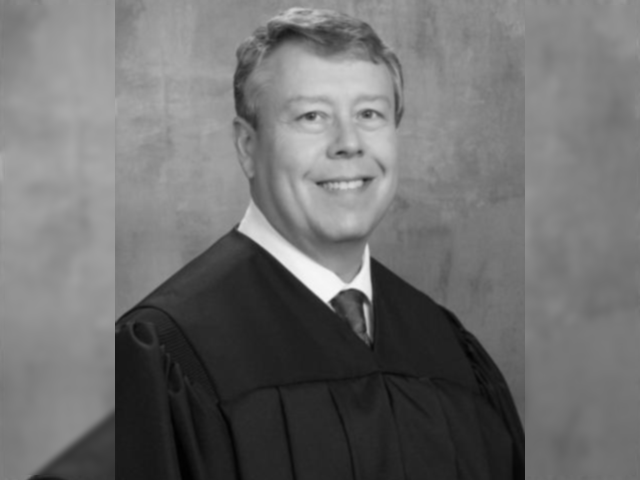
Associate Judge John Hackett and Deputy Chief Probation Officer Mike Wilkinson discussed the county’s drug court program, which combines treatment, supervision and accountability as an alternative to incarceration.
Hackett estimated the program costs about $4,500 per participant, compared with $48,000 for a year of incarceration. Attendees also watched a video featuring Circuit Judge Kyle Napp, the county’s chief criminal judge, about challenges people face in recovery.
Madison County Safety and Risk Director Annette Schoeberle reported more than $7 million in law enforcement liability costs over the past 20 years, with the vast majority stemming from addiction-related issues.
Slusser emphasized continued cooperation among county agencies, emergency responders and community organizations.
“I just want to make sure we keep the spotlight on it,” he said.