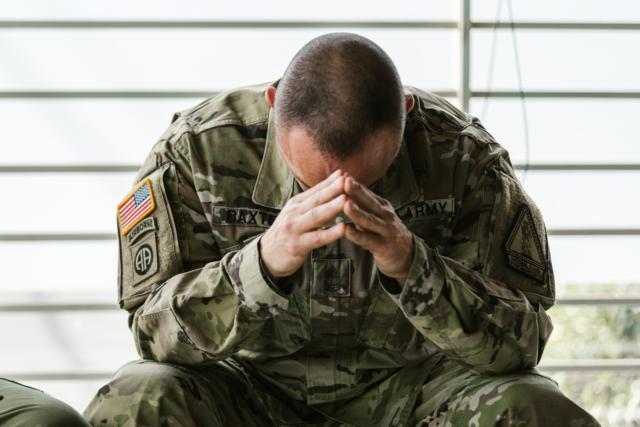
 As we continue to see traumatic events in the news – like the recent hurricanes in Texas and Florida, wildfires in California and the shooting in Las Vegas – it is normal to possibly feel vulnerable and upset. Whether someone is directly affected by an event or experiences secondhand exposure, acknowledging feelings about these occurrences is important for one’s mental health. The unpredictable nature of events like these is all the more unsettling. To best prepare for and be able to cope with events like these, we can bring some focus to building personal resilience – our ability to recover and move forward from a traumatic event.
When faced with a personal traumatic experience or being exposed to one in the media, we can use these experiences to build strength and coping skills. Here are some ways to build personal resilience:
- Take Your Time - It is important to keep in mind that everyone experiences traumatic events in different ways. There is no such thing as right or wrong feelings or moving through the healing process too fast or too slow. Remember, everyone processes these events in their own time and in their own way. Be patient with yourself.
- Have Hope - Striving for feelings of hope is a valuable way to address traumatic events, knowing that you will find a way to carry on. Focusing on solutions rather than dwelling on barriers helps propel you forward. Believing that things can and will get better might sound simplistic but is a key to resilience.
- Seek Support - Surrounding yourself with your support system is vital during these times. Identify those in your life you can lean on and talk to about what you are experiencing and feeling. From loved ones like family and friends to support groups and professional counselors, there are many resources available to offer short- and long-term support and care.
- Find Joy - Exposure to traumatic events can often make us focus on all that is wrong in the world. Seek pleasure in small things – a meaningful conversation, an enjoyable meal, hobbies – to uplift your mood and spirits. Spend time doing activities that bring you joy and foster your social support network.
- Help Others - Helping others can be an impactful way to cope with a personal or secondary traumatic occurrence. Not only can this be emotionally rewarding, but knowing you are making a difference can help in the coping and healing process. Volunteering can be a positive distraction from negative and stressful feelings.
While the world will continue to throw unexpected traumatic events our way, we can all draw our attention to building our own personal resiliency and strengthening our ability to cope. To achieve this, we must be purposeful in building these skills before the next event strikes in our own lives or in the news. The good news is that it can be done.
Get The Latest News!
Don't miss our top stories and need-to-know news everyday in your inbox.
If you or a loved one is having trouble dealing with recent traumatic events, Centerstone is here to help. Call (855) 608-3560 to make an appointment. Call (855) 985-0911 to access our 24-Hour Crisis Hotline. Visit www.centerstone.org to learn about additional resources near you.
Janette Heath, NCC, LCPC, is a Clinical Excellence Director for Centerstone, a national, not-for-profit behavioral health care organization serving all ages.