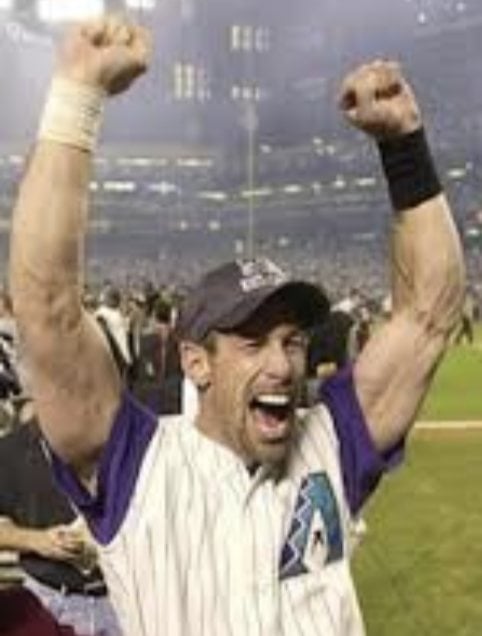
 Twenty-five years ago, a softly hit baseball ended the New York Yankees' championship streak. On Nov. 4, 2001, Luis Gonzalez singled over a drawn-in infield in the ninth inning of Game 7, giving the Arizona Diamondbacks a 3-2 victory and their first World Series title. A franchise in only its fourth season had beaten the three-time defending champions, turning a potential Yankees celebration into a breakthrough for Arizona.
That finish anchors the sports history of Nov. 4, but the date also brought recognition for a Chicago baseball favorite, a long-awaited basketball debut and a rookie running back's record-setting afternoon. The milestones stretch from Ernie Banks' prime with the Cubs to another Yankees championship, this one powered by Hideki Matsui.
Get The Latest News!
Don't miss our top stories and need-to-know news everyday in your inbox.
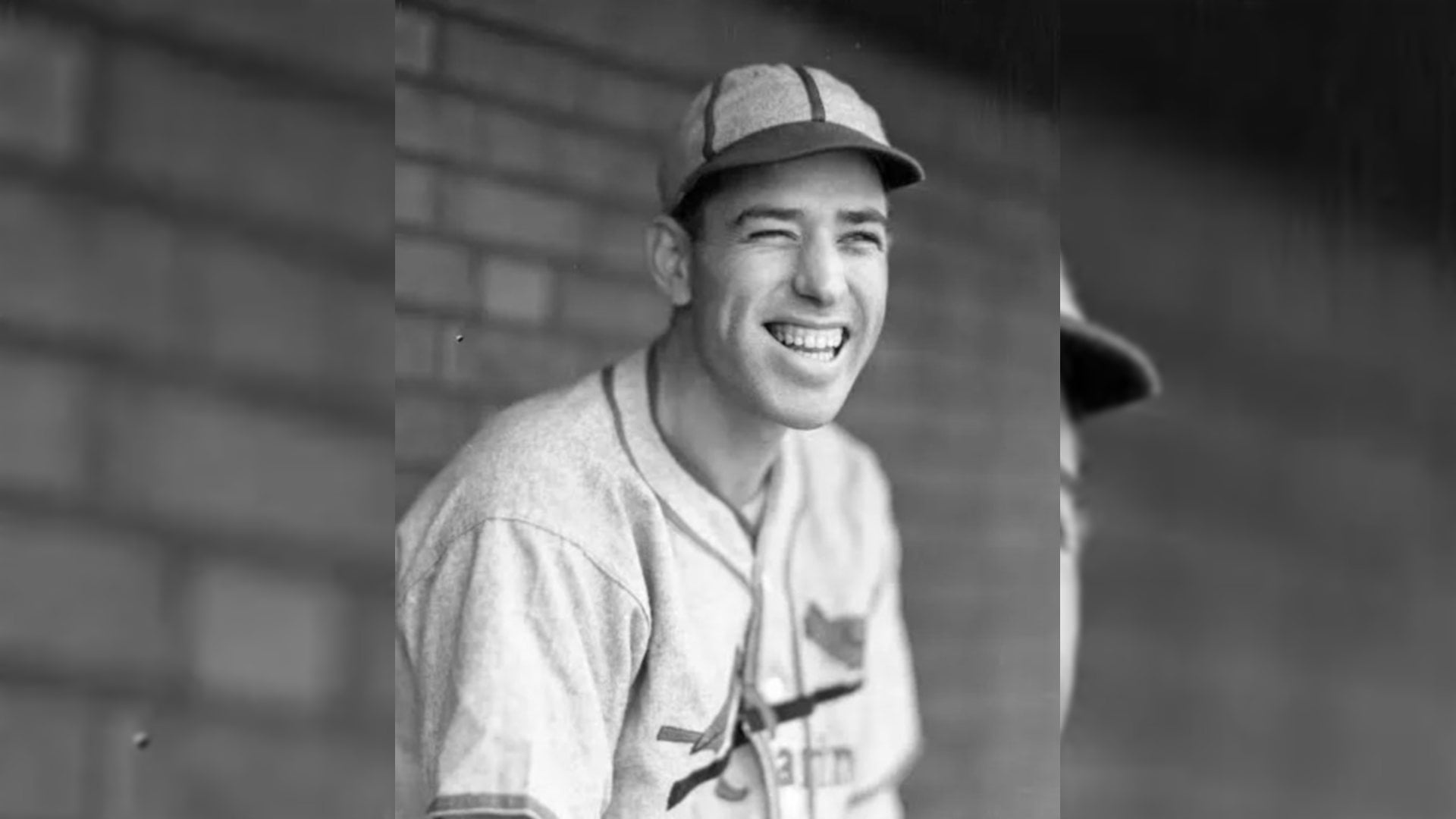
On Nov. 4, 1959, Banks won his second consecutive National League Most Valuable Player award. The Chicago shortstop had batted .304 with 45 home runs and 143 RBIs in 155 games, following a 1958 season in which he hit .313 with 47 home runs and 129 RBIs. Rather than slipping after his first MVP season, he delivered another year of exceptional power from a demanding defensive position.
Banks became the fifth player to win the award in consecutive seasons. The distinction helped establish his place among baseball's leading stars even though the Cubs never reached the postseason during his 19-year career. His achievements gave Chicago fans something lasting to celebrate without a pennant attached.
The repeat award also captured the defining contrast of Banks' career: extraordinary individual production without a postseason opportunity. He eventually retired with 512 home runs and 2,583 hits, and voters elected him to the Baseball Hall of Fame in his first year of eligibility in 1977. The 1959 honor remains a central part of that legacy.
Thirty years later, on Nov. 4, 1989, David Robinson finally made his NBA debut. San Antonio had selected the Naval Academy center first overall in the 1987 draft, then waited while he completed his military commitment. When he took the floor against the Los Angeles Lakers, he was a 24-year-old rookie carrying two years of anticipation.
Robinson answered with 23 points, 17 rebounds and three blocked shots in a 106-98 Spurs victory. He made six of 11 shots, immediately showing that his impact could extend from scoring near the basket to controlling rebounds and protecting the rim. The opening performance offered a concrete return on San Antonio's decision to wait for him.
It also began a season that changed the team's direction. Robinson averaged 24.3 points and 12 rebounds while appearing in all 82 games, earned unanimous Rookie of the Year honors and helped the Spurs improve from 21 victories to 56. His debut mattered not simply because it was impressive, but because the season that followed fulfilled its promise.
On Nov. 4, 2001, Arizona's championship came down to a ninth-inning comeback against Mariano Rivera. The Yankees led 2-1 and stood three outs from a fourth straight title. Mark Grace opened the inning with a single, and a throwing error by Rivera on Damian Miller's bunt gave the Diamondbacks another opening. Tony Womack's double later tied the score.
After Craig Counsell was hit by a pitch, Gonzalez came to bat with the bases loaded and one out. His single brought home Jay Bell with the championship-winning run. Arizona had overcome not only a late deficit but a Yankees team seeking its fifth title in six seasons. The decisive swing needed neither home-run distance nor an extra-base hit; a ball beyond the infield was enough.
On Nov. 4, 2007, Minnesota Vikings rookie Adrian Peterson produced a different kind of breakthrough. He rushed for 296 yards on 30 carries against the San Diego Chargers, breaking Jamal Lewis' NFL single-game record of 295 yards. Minnesota won 35-17 at the Metrodome as Peterson scored three rushing touchdowns.
The final total concealed how dramatically the game changed. Peterson had just 43 rushing yards at halftime, when Minnesota trailed 14-7. He then gained 253 yards after the break, including touchdown runs of 64 and 46 yards. With the record still in reach late in the game, a 35-yard gain and a subsequent 3-yard run carried him past Lewis.
Two years later, on Nov. 4, 2009, Matsui supplied the offense that brought the Yankees back to the top. He collected three hits and six RBIs in a 7-3 victory over the Philadelphia Phillies in Game 6 of the World Series. New York clinched its 27th championship in the first season at its new stadium, winning its first title since 2000.
Matsui's six RBIs tied the World Series single-game record, and he was unanimously selected as the series MVP. It was his final game as a Yankee. Eight years after New York lost a championship on Gonzalez's short single, another Nov. 4 belonged to a hitter whose performance settled the series — and this time the celebration was in the Bronx.