
Rap reached a commercial milestone on the Billboard Hot 100 dated Nov. 3, 1990, when Vanilla Ice's "Ice Ice Baby" became the first rap single to top the chart. The achievement put a rap recording at the summit of America's broad-based singles ranking, a significant marker of the genre's expanding mainstream reach. It remains the defining chart breakthrough associated with this date.
Looking back this Nov. 3, 2026, the day's history also offers a quieter Beatles studio achievement, a public farewell to a major concert promoter, Bob Dylan's return to traditional material and a solo debut from one of South Korea's biggest stars. Together, these events show several ways music travels: through records, radio, live gatherings and collaborations that cross national boundaries.
Get The Latest News!
Don't miss our top stories and need-to-know news everyday in your inbox.
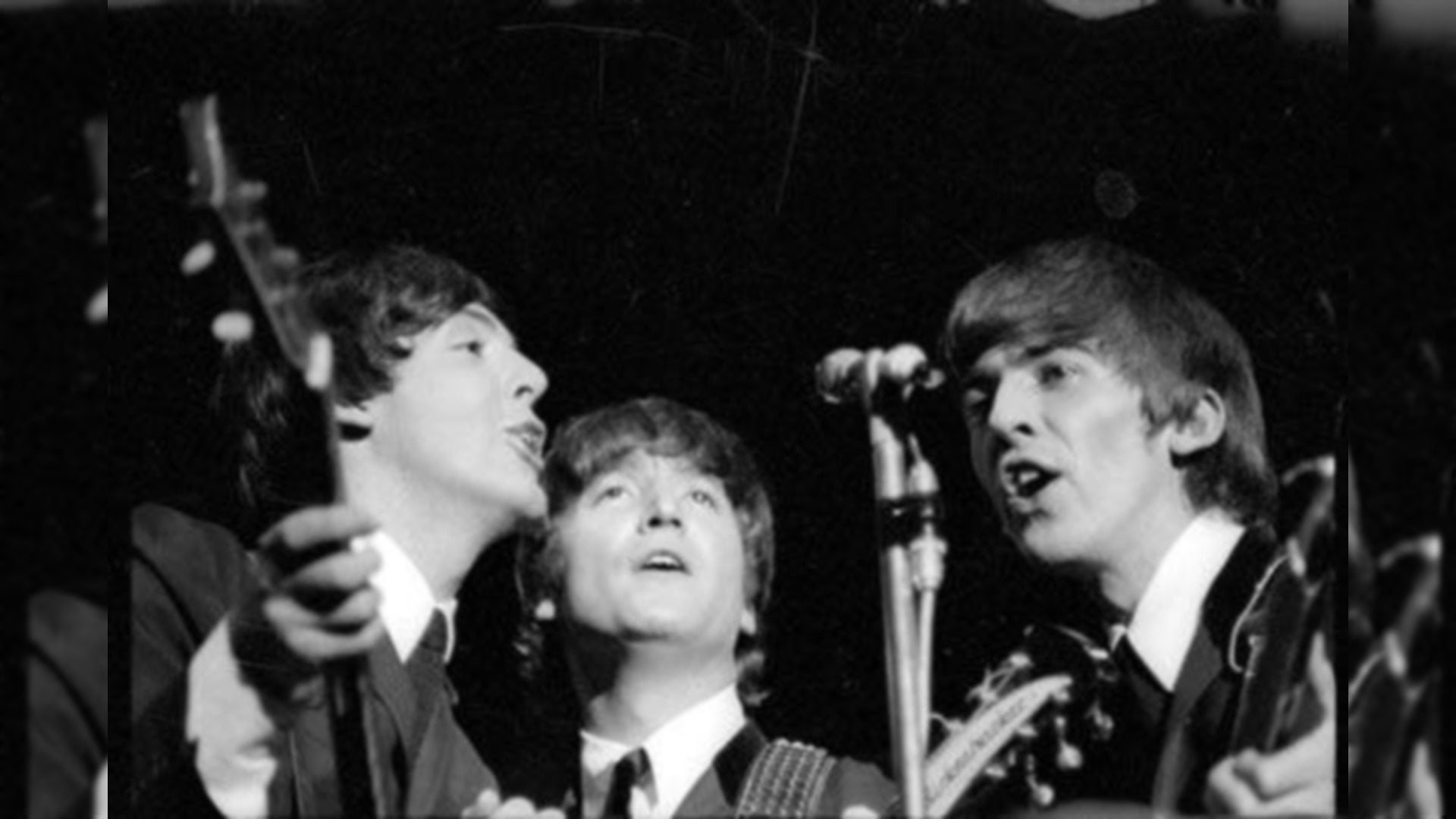
The chronological journey begins Nov. 3, 1965, when the Beatles recorded "Michelle" at EMI Studios in London. Mainly written by Paul McCartney, with John Lennon contributing to its middle section, the ballad became part of "Rubber Soul." Its combination of English and French lyrics gave the recording a distinctive identity within the band's catalog. Rather than relying on a hard-driving beat, it centered on melody, an intimate vocal and the sound of the words themselves.
Released that December, "Michelle" offered a clear example of how far the Beatles could range within a pop album. The French passages were integral to its romantic character, not simply an introductory flourish. The song later won the Grammy Award for song of the year in 1967, extending the significance of that November recording session well beyond the making of "Rubber Soul." It is a reminder that a landmark studio date can involve a restrained love song rather than a dramatic technical experiment.
Twenty-five years later, "Ice Ice Baby" supplied a very different kind of breakthrough. Its No. 1 position on the Nov. 3, 1990, Hot 100 was not merely another successful week for an established pop format. It was a first for rap on that chart. The distinction is specific: the Hot 100 milestone does not mean rap began with Vanilla Ice or that earlier hip-hop recordings lacked major audiences. It identifies the moment a rap single first reached the top of this particular national ranking.
The same issue of Billboard offers a regional glimpse of the record's reach. "Ice Ice Baby" appeared at No. 2 on the published playlist for St. Louis' Q106.5, behind Janet Jackson's "Black Cat." That station listing was separate from the national Hot 100, but it places the song's breakthrough within the listening landscape of the St. Louis region. The national milestone was also being heard close to home.
On Nov. 3, 1991, music became a gathering place for remembrance at San Francisco's Golden Gate Park. A free concert honored promoter Bill Graham, who had died in a helicopter crash Oct. 25. The performers included the Grateful Dead, Santana, Joan Baez, John Fogerty and Crosby, Stills, Nash & Young. The Rock & Roll Hall of Fame's account describes a crowd exceeding 300,000, underscoring the scale of the public response.
The event, known as "Laughter, Love and Music," also produced memorable musical exchanges. Fogerty joined the Grateful Dead for songs including "Born on the Bayou," "Green River," "Bad Moon Rising" and "Proud Mary." Neil Young joined them for "Forever Young." Those collaborations made the memorial more than a sequence of separate tributes: musicians shared a stage and a repertoire to honor someone whose work had helped bring performers and audiences together.
On Nov. 3, 1992, Bob Dylan released "Good as I Been to You," turning attention toward older folk and blues material. The album's credits list Dylan on vocals, guitar and harmonica, with production supervised by Debbie Gold. Its 13-song program includes "Frankie & Albert," "Jim Jones," "Arthur McBride" and "Froggie Went a Courtin'." The spare presentation put the emphasis on the singer's handling of existing songs rather than a large supporting ensemble.
For an artist so closely associated with songwriting, the choice highlighted another musical role: interpreter. Heard together, the ballads, blues and familiar traditional titles formed a program in which narrative and performance carried the weight. The album's significance on this date lies in that deliberate change of focus, with Dylan using his voice, guitar and harmonica to make older material the center of a contemporary release.
The timeline reaches Nov. 3, 2023, with Jung Kook of BTS releasing his first solo album, "Golden." Sung entirely in English, the project brought together songs including "Seven," featuring Latto; "3D," featuring Jack Harlow; and "Standing Next to You." The release established a full album-length setting for his individual pop identity while drawing on collaborators from beyond South Korea.
"Golden" illustrates another kind of crossover: a performer known through a Korean group building a solo project for a global pop audience. Its release closes a Nov. 3 timeline that moves from a bilingual Beatles ballad to rap's chart breakthrough, a communal concert farewell and Dylan's stripped-down interpretations. The sounds differ, but each event reveals a distinct way artists and audiences can connect.