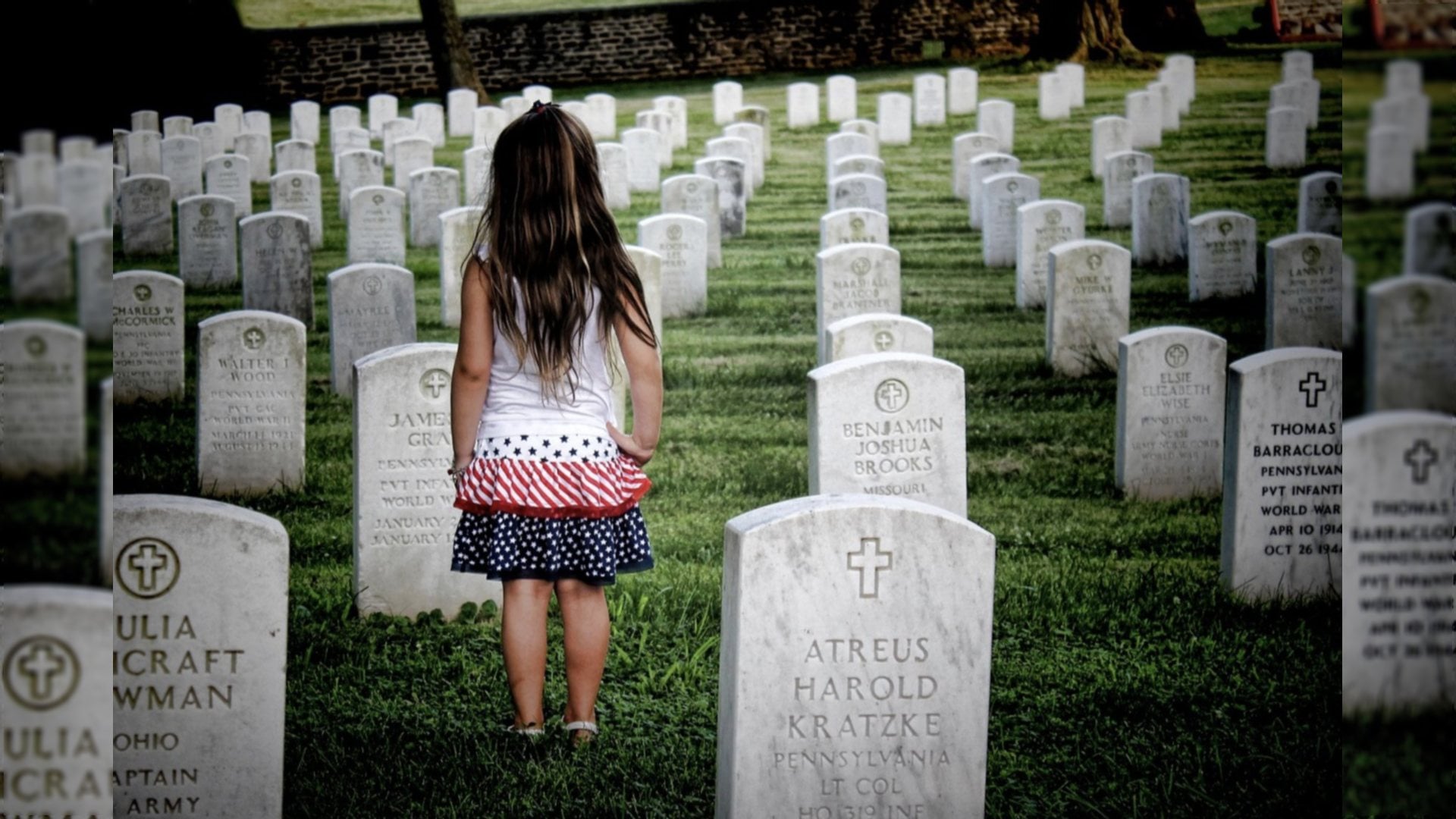

On July 28, one of the most far-reaching events in world history took place in 1914, when Austria-Hungary declared war on Serbia. That decision turned a regional crisis in the Balkans into the opening act of World War I. At the time, leaders across Europe were tied together by alliances, military plans, and rising mistrust, so a conflict between two countries quickly pulled in many others. The war reshaped borders, toppled empires, and changed everyday life for millions. It still matters today because so many features of the modern world—from shifting power in Europe and the Middle East to later conflicts in the 20th century—grew out of what began on this date.
Get The Latest News!
Don't miss our top stories and need-to-know news everyday in your inbox.
The declaration of war did not come out of nowhere. One month earlier, Archduke Franz Ferdinand of Austria had been assassinated in Sarajevo by a Bosnian Serb nationalist. Austria-Hungary blamed Serbia for encouraging anti-imperial movements in the region and issued a harsh ultimatum. Serbia accepted many demands but not all of them. Austria-Hungary then chose war, believing it could punish Serbia quickly. Instead, Russia moved to support Serbia, Germany backed Austria-Hungary, and France and Britain were drawn in through their own alliances and strategic concerns. What began on July 28 became a global war involving Europe, parts of Africa, the Middle East, Asia, and eventually the United States.
More than six centuries earlier, this same date marked another major political shift in Europe. In 1364, Rudolf IV, Duke of Austria, issued the Privilegium Maius, a forged document that claimed special rights and elevated status for the Austrian rulers. Although it was not authentic, it reflected the fierce competition among medieval dynasties for power and prestige within the Holy Roman Empire. Over time, the claims in the document helped strengthen the position of the Habsburgs, the family that would become one of Europe’s most influential ruling houses.
A very different kind of turning point came in 1540, when King Henry VIII’s chief minister, Thomas Cromwell, was executed in England. Cromwell had been central to the English Reformation and the expansion of royal power. He helped engineer the break with the Roman Catholic Church and supported administrative reforms that gave the Tudor state greater reach. His fall showed the danger of serving a monarch whose political and personal priorities could change suddenly. It also highlighted the unstable mix of religion, power, and court politics that shaped 16th-century Europe.
In 1741, Antonio Vivaldi, the Italian composer best known for The Four Seasons, died in Vienna. Though remembered mainly for music, his life also reflects the wider cultural world of early modern Europe, where cities such as Venice and Vienna acted as centers of artistic exchange. Vivaldi’s work fell into relative obscurity for a time, then gained renewed recognition centuries later, showing how cultural influence can expand long after a creator’s lifetime.
The 19th century brought change on a global scale. In 1821, José de San Martín proclaimed the independence of Peru from Spanish rule in Lima. San Martín had already played a major role in the liberation of Argentina and Chile, and his campaign in Peru was part of the wider struggle that ended Spanish colonial control across much of South America. Independence did not solve every problem, but it changed the political map of the Americas and opened the way for new states to define their own futures.
Science and technology also left their mark on this date. In 1866, Vinnie Ream became the first woman and among the youngest artists ever commissioned by the United States government to create a statue for the Capitol, a reminder that innovation is not limited to machines or laboratories. Cultural institutions and public art can also signal social change, especially when they challenge long-standing barriers to participation.
Another milestone arrived in 1896, when the city of Miami was officially incorporated in Florida. Though local in one sense, the event reflected broader patterns of urban growth, migration, trade, and development in the Americas during the late 19th century. Miami would later grow into a major international city linking North America, Latin America, and the Caribbean through commerce, tourism, and culture.
Moving into the 20th century, the effects of war and empire appeared again in 1945, when a U.S. Army bomber crashed into the Empire State Building in New York City. The accident, caused by poor visibility, killed 14 people and shocked the public. It demonstrated both the risks of increasingly busy air traffic and the resilience of modern engineering, since the building remained structurally sound. The event became part of a larger story about urban life in the age of aviation.
In 1976, the Tangshan earthquake in China struck shortly after midnight and killed hundreds of thousands of people, making it one of the deadliest earthquakes ever recorded. The disaster exposed weaknesses in buildings, emergency response, and public communication, while also showing the scale of human vulnerability in the face of natural forces. Its memory remains important in discussions of urban planning and disaster preparedness worldwide.
In 2005, the Irish Republican Army announced an end to its armed campaign and said it would pursue its goals through peaceful means. That statement was an important step in the long peace process connected to Northern Ireland. It did not solve every dispute overnight, but it marked a significant move away from political violence and toward negotiation.
Several notable people were born on this date. In 1804, Ludwig Feuerbach was born in Germany. He became an influential philosopher whose writings on religion, human nature, and society shaped later thinkers across Europe. His ideas helped drive debates about belief, reason, and the place of people in history.
Marcel Duchamp, born in France in 1887, changed modern art by challenging accepted ideas about what art could be. Through works that used ordinary objects in unexpected ways, he encouraged artists and audiences to think differently about creativity, authorship, and meaning. His influence can be seen across contemporary art, design, and visual culture.
A major figure in world leadership, Jacqueline Kennedy Onassis, was born in 1929. As First Lady of the United States, she became widely known for her public poise, support for the arts, and role in preserving historic spaces such as the White House. Her later work in publishing added another dimension to her public life, and her image remained part of global culture for decades.
This date also marks the deaths of several important historical figures. Antonio Vivaldi, who died in 1741, left behind music that remains among the best-known of the Baroque era. His compositions continue to be performed widely, connecting present-day audiences to the musical language of 18th-century Europe.
In 1750, Johann Sebastian Bach died in Leipzig. Bach’s work brought together deep technical skill, religious tradition, and emotional range. Though not fully appreciated by every generation in the same way, he came to be recognized as one of the central composers in Western music history. His influence on later musicians, from classical composers to jazz artists, has been extensive.
The events, births, and deaths linked to July 28 show how one date can hold war and peace, independence and reform, art and science, ambition and loss.