ST. LOUIS - Discovery Channel's Shark Week turns America's attention to the ocean's most popular predators each summer. The St. Louis Aquarium at Union Station is celebrating this pop culture phenomenon through July 18 with a variety to shark-related opportunities for guests."I think when working with large predators like sharks, it’s all about learning about these apex predators and developing a respect for them, and understanding they aren’t the crazy attack animals they’re portrayed to be," says Tami Brown, executive director of the St. Louis Aquarium at Union Station. "It’s important to develop a respect for these guys and their natural history."
Get The Latest News!
Don't miss our top stories and need-to-know news everyday in your inbox.
Shark Species at the Aquarium
Visitors to the St. Louis Aquarium at Union Station can interact with Bamboo Sharks in the touch pool and will see the following species living in Shark Canyon:
-- Sandbar/Brown Sharks
-- Blacknose Sharks
-- Zebra Sharks
-- Whitetip Reef Sharks
-- Black Tip Sharks
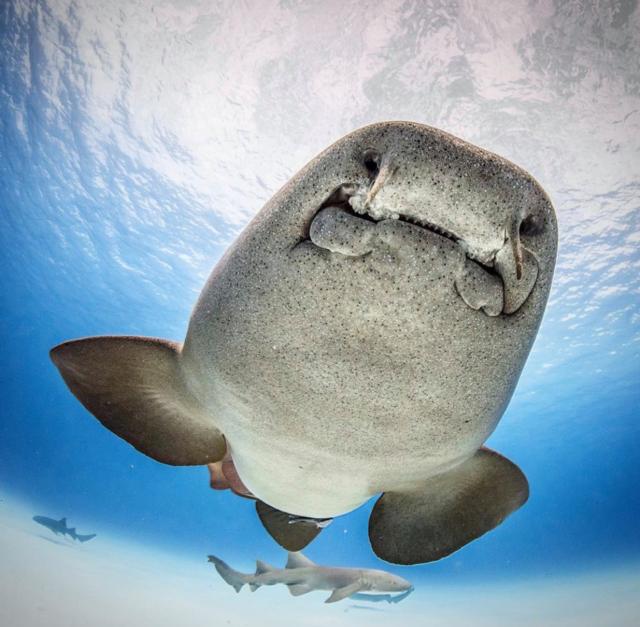
-- Nurse Sharks
-- Bonnethead Sharks
-- Bamboo Sharks
-- Cat Sharks
Walk the Rope Bridge
Guests can walk the rope bridge across the top of Shark Canyon behind the scenes -- if they dare. Stretching over Shark Canyon, the Rope Bridge is 15-feet-long and hangs 7.5-feet above the water of the Aquarium's 250,000-gallon habitat for sharks, rays, sea turtles and thousands of fish. Like all of the best and scariest rope bridges, it shakes as visitors cross the span. The bridge is part of the Aquarium's behind the scenes tour add-on experience, open daily during normal operating hours.
Shark of the Day
During Shark Week, Aquarium fans can touch replicas of shark teeth and jaws and will get in depth information on shark species living on site. Examples include:
Blacknose Sharks
A lot of guests think these are “baby sharks” but they are getting close to full grown. They’ll grow to about four feet long and weigh between 15 and 24 pounds at maturity. They get their name from the black spot on the tip of their snouts. Blacknose sharks are quick swimmers, so in the wild, they would eat small fish like anchovies or porcupine fish. At the Aquarium, they are fed them sardine, capelin (a schooling fish), squid, herring, or mackerel. All of the sharks are target fed to avoid competition over the food and to train them where to go to seek food when they want it.
Zebra Sharks
Zebra sharks have stripes when they are juvenile and as they grow older, the stripes turn into spots. They can grow to be nearly eight feet long and their tail can be about half of that length, so the Aquarium's sharks still have some growing to do. Zebra Sharks are one of the few species of sharks that can breathe without swimming, so sometimes guests will see them hanging out on the sandy bottom or even on top of one of the viewing windows. They live in shallow coral reefs in warm tropical water in the Indo-West area of the Pacific Ocean, the Red Sea, East African and Australia. They are nocturnal, which means they are most active at night. In the ocean, they would hunt for small fish, snails, sea urchins and crabs that hide out in the coral reefs. Those “whiskers” or barbels at the front of their snouts help them to locate their prey and they can wriggle into tight spaces where these small fish often hide. They also have strong gill muscles so they can suck up prey. At the Aquarium, they are fed a variety of fish, including capelin, squid (their favorite), mackerel, and salmon.
Nurse Sharks
Nurse sharks grow to 7 to 10 feet and can weigh 200 to 330 pounds so they will definitely be the biggest sharks at the Aquarium. They are nocturnal like the Zebra Sharks. No one is entirely sure how they got their name. It could come from the sucking sound they make when hunting for prey in the sand, which sounds like a nursing baby. Or it could be from an old word that isn’t used anymore “nusse” which means cat shark. But the most likely reason is that it comes from an Old English word for sea-floor shark, “hurse.” They eat off the bottom like Zebra sharks, but they use their strong jaws to crush shellfish and even coral but they prefer small fish, shrimp and squid. At the Aquarium, they eat mackerel, herring, salmon, squid, or bonito. Both the zebra sharks and nurse sharks get clams and mussels to hunt for and crush up along the bottom of the exhibit.
Sandbar or Brown Sharks
They average about 6 feet long and weigh between 110 and 150 pounds when they are full grown. At the Aquarium, the Sandbar sharks eat large fish like mackerel, bonito, and salmon. In the wild, they are what’s called “opportunistic” feeders, which means they aren’t very picky. They prey mostly on small fish, eels, stingrays, octopus, shrimp and crabs. These sharks can be found all over the world. They are a shallow coastal species that likes warm tropical waters and they are bottom-dwelling. They can be found in the western and Eastern Atlantic, the Mediterranean and the Indo-Pacific, ranging from south and east Africa to the Hawaiian Islands.
Visitor Information
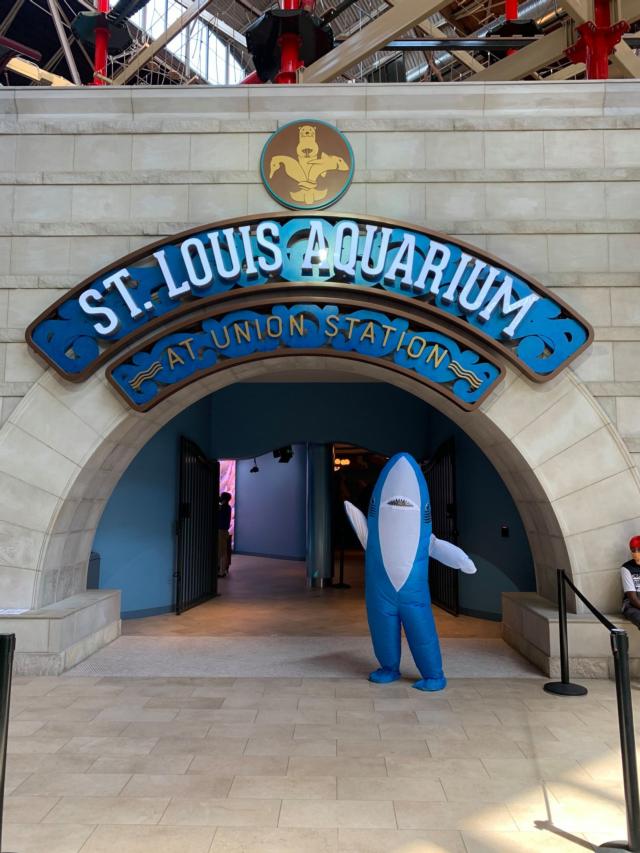
The St. Louis Aquarium is open daily from 9 a.m. until 5 p.m.with extended hours until 8 p.m. on Fridays and Saturdays. The attraction is part of the St. Louis Union Station family entertainment destination in downtown St. Louis at 201 S.18th St., St. Louis, MO 63103. Timed admission tickets can be purchased online at www.stlouisaquarium.com. Find the Aquarium on social media at: @aquariumstl.
Tickets are available combining Aquarium admission with other attractions at Union Station, including the 200-foot-tall St. Louis Wheel, mini-golf, the St. Louis Carousel, the St. Louis Ropes Course and the Mirror Maze. Restaurants on site include the retro-style diner Soda Fountain, Train Shed and the 1894 Cafe. Fire and light shows are set to music and play on the Union Station lake throughout the day and evening.
The St.Louis Union Station Hotel, a Curio Collection by Hilton, can be booked at https://www.stlouisunionstation.com/hotel-packages.