 The Illinois State Veterinary Medical Association (ISVMA) reports that there is no current scientific evidence that pets can become sick by contracting coronavirus (COVID-19) from humans or other animals.
However, ISVMA officials suggest pet owners observe proper human hygiene when caring for their companion animals. This includes the recommendation of the Centers for Disease Control and Prevention and other public health organizations to wash your hands for at least 20 seconds. It also asks for patience as international health care agencies understand how the coronavirus (COVID-19) spreads from human to human, as well as the potential of cross contamination between humans and animals.
Get The Latest News!
Don't miss our top stories and need-to-know news everyday in your inbox.
“At this point in time, in-depth and experiential information as to how humans and animals can become infected with coronavirus is in the preliminary stages,” says ISVMA Board of Directors President Dr. Olivia Rudolphi, of Rudolphi Veterinary Services in Noble, Ill.. “The best practice that any pet owner can currently follow is to take care of themselves first by following proper personal hygiene when dealing with this outbreak: Wash your hands before and after interacting with your pets or livestock to avoid contamination.”
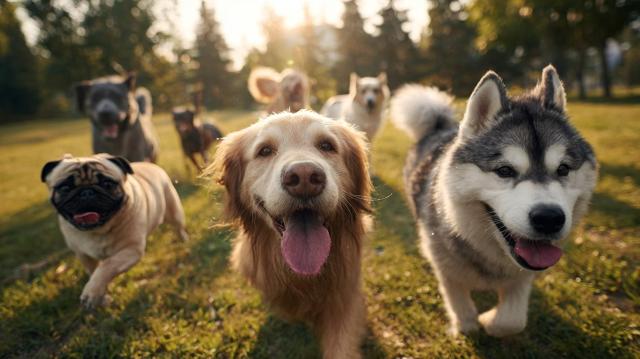
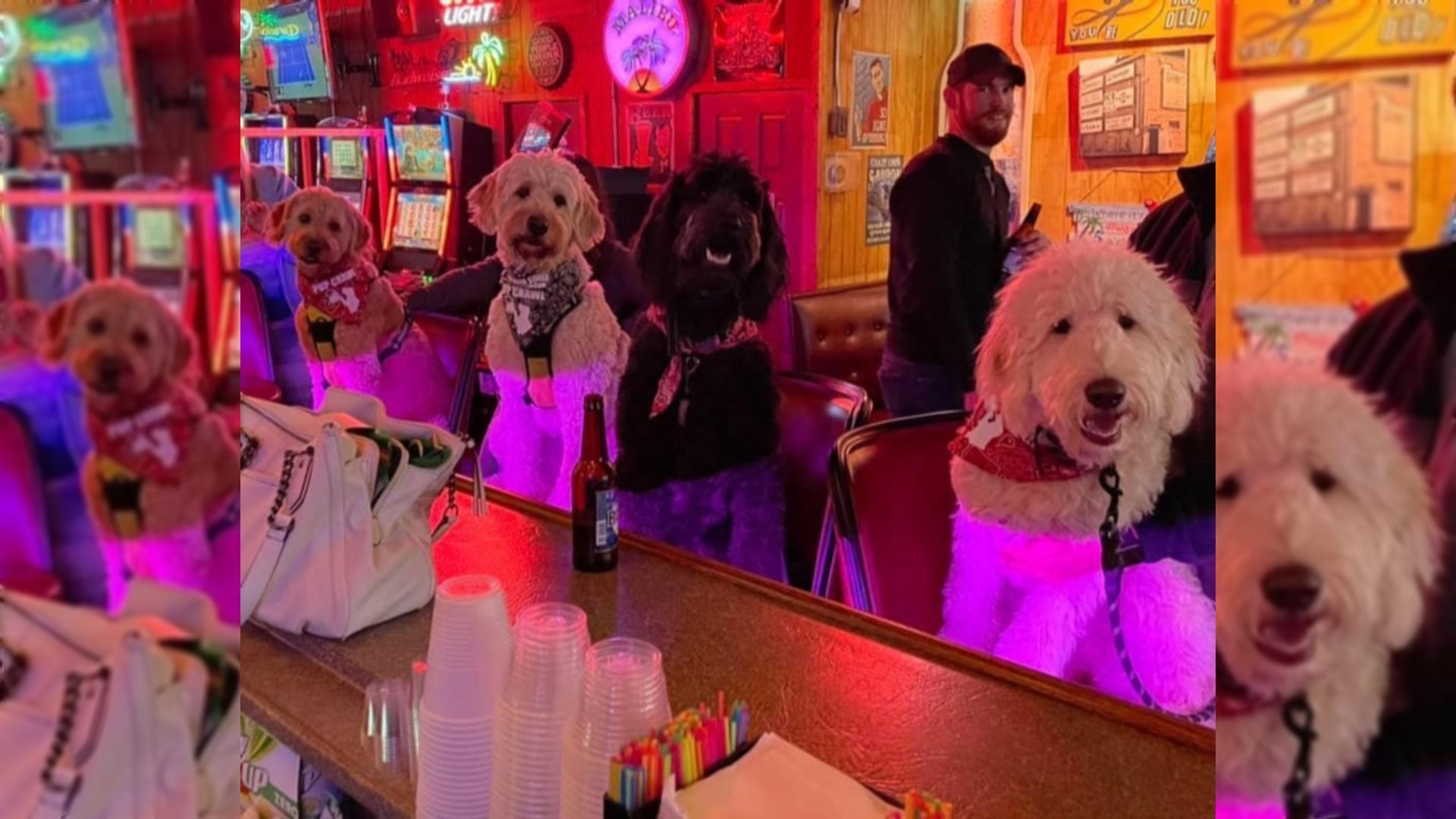
Dr. Rudolphi urges the use of hand sanitizers, disinfectant wipes and other preventative care items for the pet owner, but notes that sanitizers and cleansers are not approved for use on or around pets. She also suggests that pet owners limit interaction with other people to avoid the potential spread of the virus. Other precautions to consider with pets are to avoid kisses from them, sharing beds with companion animals and exposure with people in your household who may be ill. And please be socially conscious about your pet getting involved with other humans and pets, including when walking dogs or when dogs play in public parks.
“Stay at home; avoid interaction with large groups of people and limit contact with anyone you may know who may be sick,” Rudolphi says. “Limiting your pet’s exposure to individuals and other pets will help keep coronavirus -- or any pathogen -- from spreading from host to host, be it human or animal.”
According to the American Veterinary Medical Association (AVMA), there is currently no evidence that pets can spread COVID-19 to other animals, including people. Definitive answers on how to combat this virus continue will continue to unfold as time goes on. To learn more from the AVMA about coronavirus and pets can be read at https://www.avma.org/resources-tools/animal-health-and-welfare/covid-19 .
Illinois veterinarians’ profession is the health and welfare of companion pets and livestock in the 102 counties in the state. The ISVMA is a professional association representing more than 2,500 member veterinarians, veterinary and technician students and Certified Veterinary Technicians from around the state to promote and protect veterinary practices. ISVMA leaders and members study a multitude of cutting-edge medical and business practices, as well as pertinent legislation to determine their impact on pets, animals and their human caretakers.