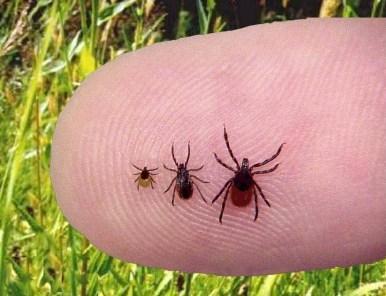
 SPRINGFIELD – As the weather warms up, more ticks are starting to appear. Illinois Department of Public Health (IDPH) Director Nirav D. Shah, M.D., J.D., reminds residents about the importance of taking precautions against tick bites and the diseases they carry.
“Ticks can carry diseases like Lyme disease, Rocky Mountain spotted fever, and ehrlichiosis,” said Director Shah. “A bite from a tick can cause anywhere from mild to severe illness, and even death in some cases, so it is important to protect yourself against bites.”
Get The Latest News!
Don't miss our top stories and need-to-know news everyday in your inbox.
Many tickborne diseases have similar symptoms. The most common symptoms of tick-related illnesses can include fever, chills, aches and pains, and rash. Within two weeks following a tick bite, if you experience a rash that looks like a bull’s-eye or a rash anywhere on your body, or an unexplained illness accompanied by fever, contact your doctor. Early recognition and treatment of the infection decreases the risk of serious complications. Tell your health care provider the geographic area in which you were bitten to help identify the disease based on ticks in that region.
Ticks are commonly found on the tips of grasses and shrubs. Ticks crawl?they cannot fly or jump. The tick will wait in the grass or shrub for a person or animal to walk by and then quickly climb aboard. Some ticks will attach quickly and others will wander, looking for places like the ear, or other areas where the skin is thinner.
Simple tips to avoid ticks bites include:
- Wear light-colored, protective clothing—long-sleeved shirts, pants, boots or sturdy shoes, and a head covering. Treat clothing with products containing 0.5 percent permethrin.
- Apply insect repellent that contains 20 percent or more DEET, picaridin, or IR3535 on exposed skin for protection that lasts several hours.
- Walk in the center of trails so grass, shrubs, and weeds do not brush against you.
- Check yourself, children, other family members, and pets for ticks every two to three hours.
- Remove any tick promptly by grasping it with tweezers, as close to the skin as possible and gently, but firmly, pulling it straight out. Wash your hands and the tick bite site with soap and water.
Find more information at on the IDPH website.