SPRINGFIELD – The Illinois Department of Natural Resources (IDNR) today issued updated public recommendations regarding wild birds and the EA H5N1 strain of Highly Pathogenic Avian Influenza (HPAI) currently impacting some wild and domestic bird species.
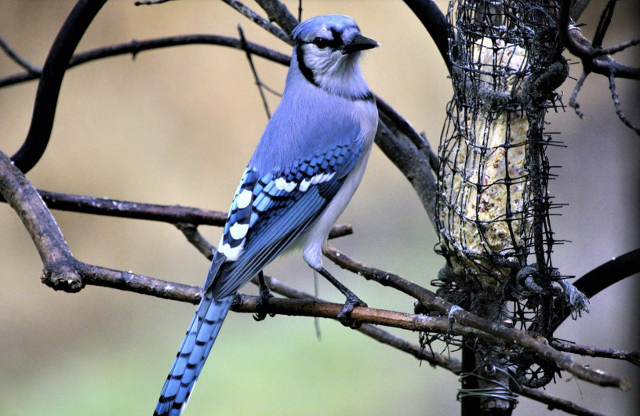
While HPAI has not been detected in songbird species (passerines), IDNR recommends the use of bird feeders and bird baths cease through May 31, or until HPAI infections in the Midwest subside, especially those that waterfowl may visit. During spring, wild birds will have ample food sources while bird feeders are removed.
Get The Latest News!
Don't miss our top stories and need-to-know news everyday in your inbox.
Further IDNR recommendations:
• Clean and rinse bird feeders and baths with a diluted bleach solution (nine parts water to one part bleach) and put away or clean weekly if they can’t be moved away from birds.
• Remove any bird seed at the base of bird feeders to discourage large gatherings of birds or other wildlife.
• Avoid feeding wild birds in close proximity to domestic flocks.
If five or more deceased wild birds are observed in one location, an IDNR district wildlife biologist should be contacted. Contact information for district wildlife biologists can be found at https://www.wildlifeillinois.org/sidebar/contact-an-idnr-district-wildlife-biologist/. USDA Wildlife Services also may be contacted at 1-866-487-3297.
In addition, IDNR requests all occurrences of deceased or sick bald eagles be reported to the agency.
When disposing of any deceased wild birds, rubber gloves and a mask should be worn, and the carcass should be double-bagged in sealed plastic bags. The bags can be buried away from scavengers or placed in the garbage if approved by the local waste service provider. Anyone handling deceased birds should thoroughly wash their hands and any other clothes or tools with soap and water following disposal.
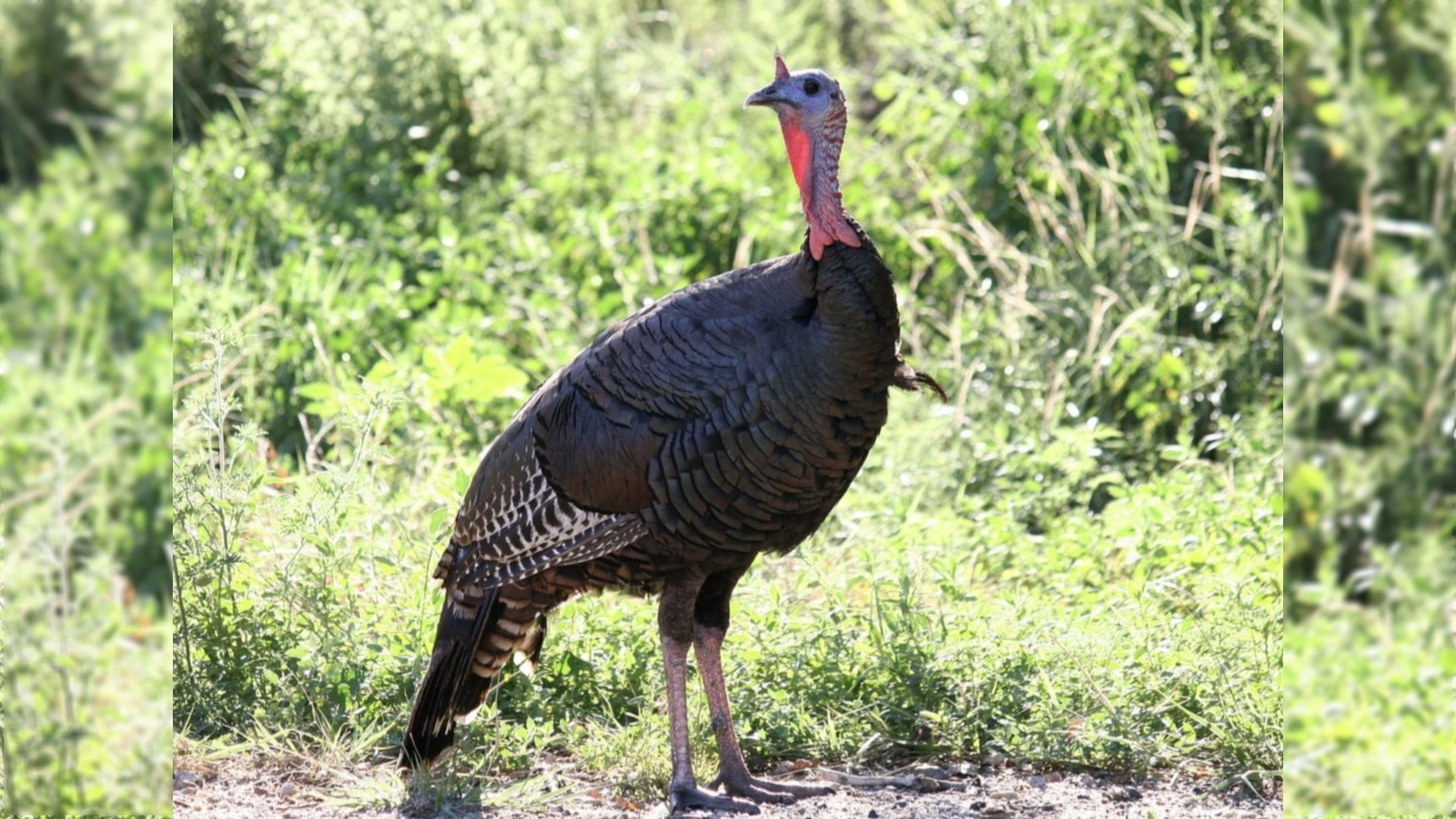
With spring turkey season underway, IDNR notes that wild turkeys are less likely to contract HPAI given their behavior and the habitats they occupy. However, turkey hunters can protect themselves by thoroughly cooking game meat to an internal temperature of 165 degrees Fahrenheit and implementing other guidance found here at this link: https://www.aphis.usda.gov/publications/animal_health/2015/fsc_hpai_hunters.pdf.
IDNR first announced HPAI was detected in wild Canada geese in Illinois on March 10, 2022, in a joint notice with the Illinois Department of Agriculture. Since then, wild bird mortality from HPAI has been confirmed in Champaign, Fulton, Sangamon, and Will counties with a more recent mortality event of more than 200 birds in Cook County suspected to be caused from HPAI.
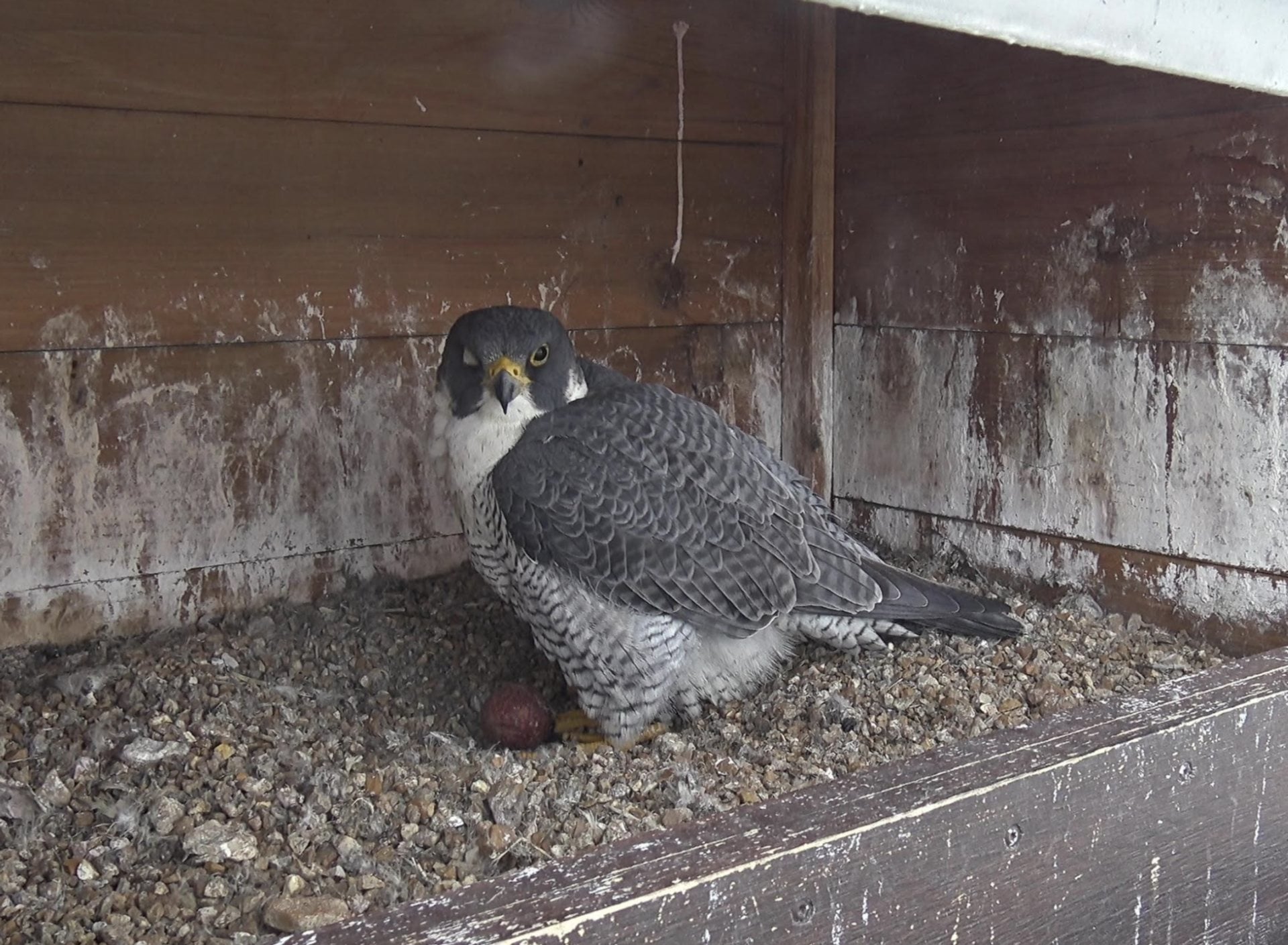
Wild birds impacted include waterfowl and waterbird species, as well as some raptors, including bald eagles. Detections in domestic poultry flocks have also occurred.
For more information on the status of HPAI in wild birds and domestic bird flocks in Illinois and other states, visit https://www.aphis.usda.gov/aphis/ourfocus/animalhealth/animal-disease-information/avian/avian-influenza/2022-hpai and https://www2.illinois.gov/sites/agr/Animals/AnimalHealth/Pages/Highly-Pathogenic-Avian-Influenza.aspx.