 Occupational therapy provides the skills to help people lead productive and satisfying lives. Occupational therapists consider “occupation” to be everything people do to engage themselves, including looking after themselves (self-care), enjoying life (leisure), and contributing to the social and economic aspects of their communities (work/productivity).
The American Occupational Therapy Association defines OT as “the only profession that helps people across the lifespan to do the things they want and need to do through the therapeutic use of daily activities (occupations). Occupational therapy practitioners enable people of all ages to live life to its fullest by helping them promote health, and prevent — or live better with — injury, illness, or disability.”
Get The Latest News!
Don't miss our top stories and need-to-know news everyday in your inbox.

To occupational therapists, a "full" life means engagement in the activities that a person wants and needs to do, no matter what the injury, illness, condition, disability, lifestyle, or environment.
Three ways that occupational therapy can help you are:
- Helping you overcome a disability. An occupational therapist can instruct you on how to do things with the abilities you have.
Examples:
- How to dress using one-handed dressing technique
- How to remember things when your memory is poor
- How to use public transit to get around
- Adapting the materials you use. When a person cannot use tools as intended, occupational therapy can recommend or adapt the tools used for occupation to increase independence.
Examples:
- Built up handles for toothbrush, pencil, silverware
- Long-handled tools for bathing/dressing
- Large push buttons on your telephone
- Self-opening scissors
- A writing board/tilt board to keep paper still and assist with handwriting legibility
- Changing the environment around you. Sometimes changing the environment where you perform your occupations is best.
Examples:
- Self-help groups
- Wheelchair ramps
- Lowering/raising desktop/counters for safety
Occupational therapists work in a wide variety of settings and work with many different diagnoses. This list is just naming a few ways occupational therapy could help you or a loved one.
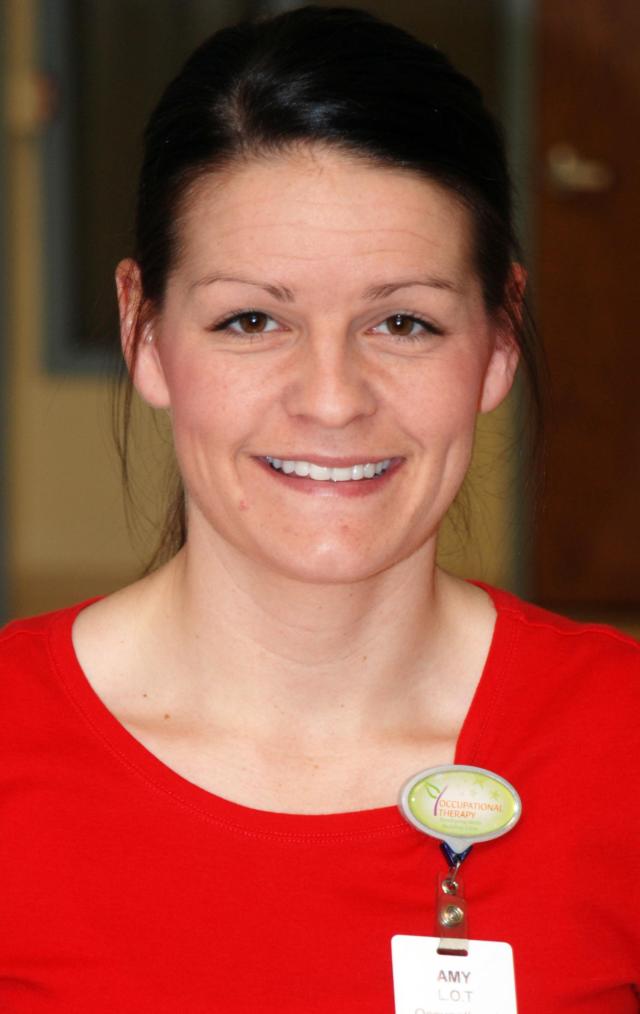
Amy Niewald is an occupational therapist at Alton Memorial Hospital’s Human Motion Institute.