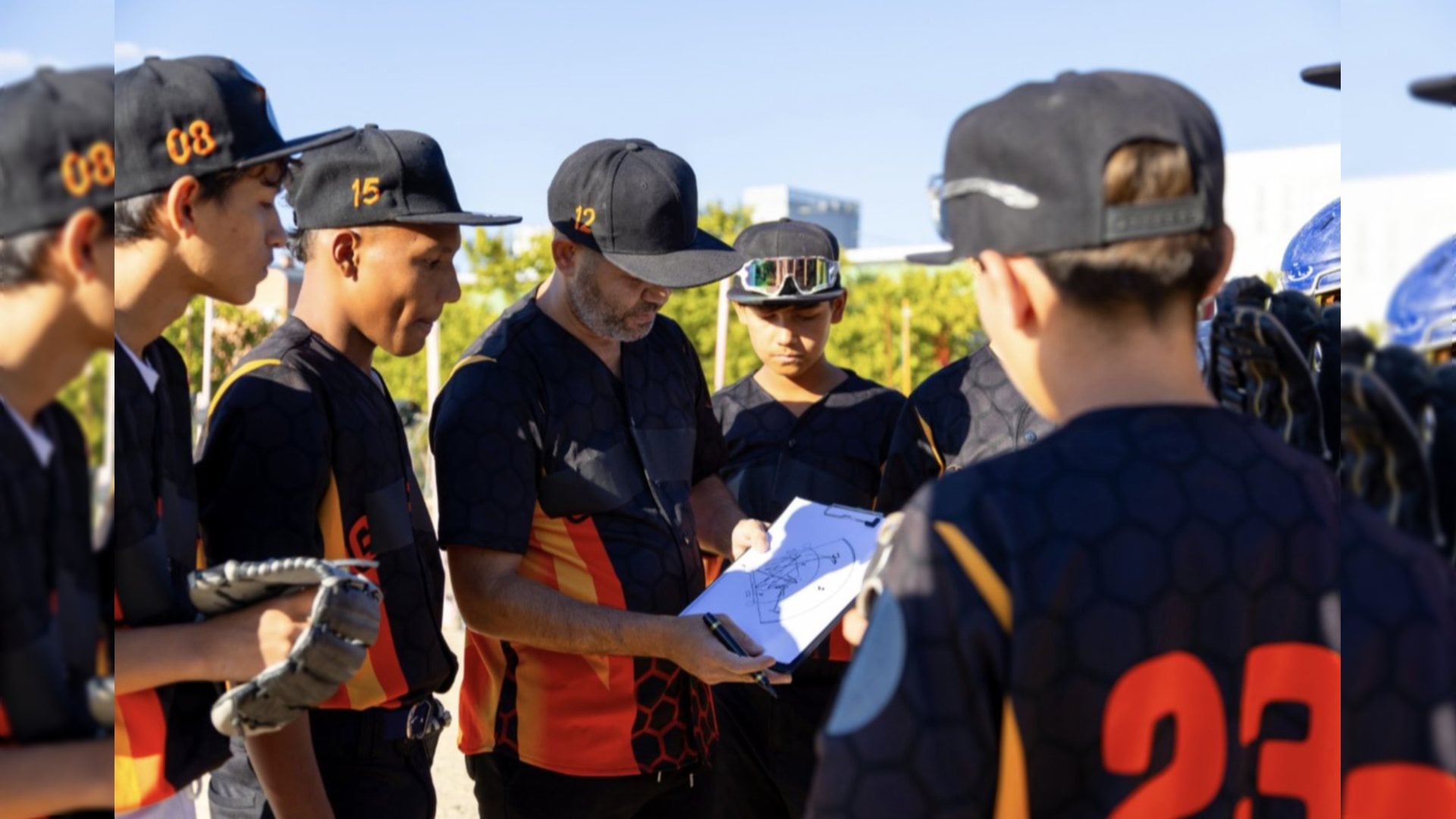
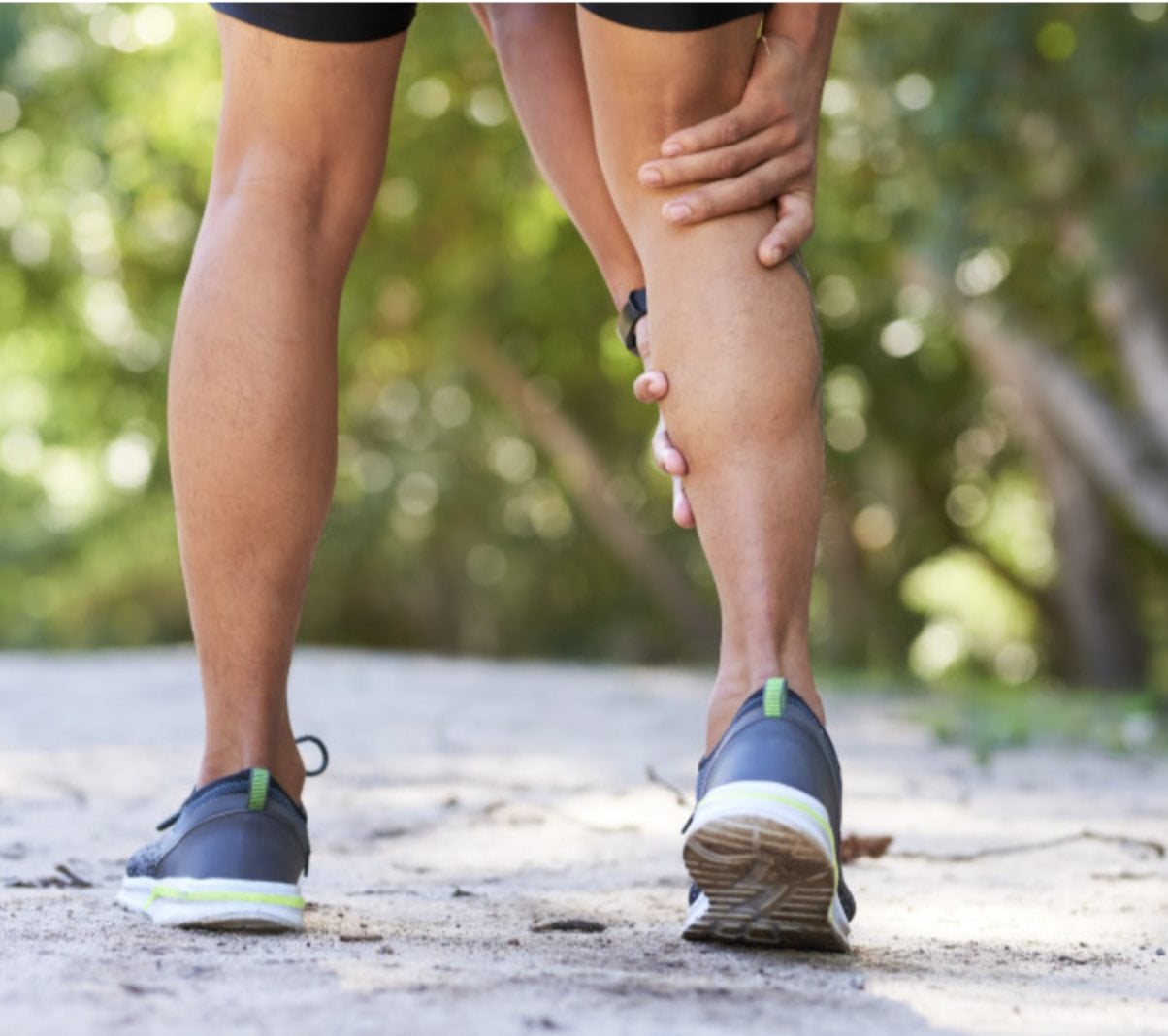
 Here are a couple more “cheat sheets” to add to your injury prevention checklist, whether you’re a casual runner or a star athlete. The good news: there’s a lot of overlap when it comes to calf and hamstring injuries, meaning young athletes, their parents and their coaches don’t have to cram for the test.
 Hamstrings
Get The Latest News!
Don't miss our top stories and need-to-know news everyday in your inbox.
The hamstring muscles sit in the back of your upper leg and help with all kinds of activities, like walking, running, climbing and squatting.
“Hamstring injuries can happen when you change direction or speed [in athletics.] You get a sharp, sudden pain in the back of your leg,” says Brittany Delaney, an athletic trainer at OSF HealthCare. “We grade any muscle strain as grade one, two or three. Grade one is a minor pull of the muscle fibers. It could take three to four weeks to heal. With grade two, you’re going to find tearing of the muscle fibers. Those could go four to six weeks [recovery]. And grade three would be a complete rupture of a hamstring. That can lead to three to four months of rehab before returning to your sport.”
Delaney says she often sees track and field, baseball, softball and soccer athletes complain of the cramp-like pain of hamstring injuries due to the “stop and start” nature of the sports. Initial treatment is stretching and icing.
“We want to constrict the blood vessels so you don’t get a lot of swelling or bruising,” Delaney says.
Long term, the person would perform physical therapy exercises to regain full range of motion.
“To start, this should be light stretching. You don’t want to overstretch because we want the muscle fibers to heal,” Delaney explains. “Then, we move into strengthening the muscle. On top of strengthening the hamstring, you want to strengthen the quads, calves and your core. We strengthen around the injury as well as the actual injury.”
The last phase of rehabilitation would involve exercises specific to that person’s sport. Surgery isn’t common for hamstring injuries, Delaney says.
Calves
It’s a “same song, different verse” situation for injuries to your calf muscles that sit in the back of your lower leg. Delaney says sports that involve sprinting or a sudden direction change are breeding grounds for calf injuries.
“We see it in baseball and softball outfielders. The ground might be uneven. You might hit the ground just right that you’re going to feel that calf tighten up,” leading to a sharp pain or cramp-type pain, Delaney says.
Health care providers also grade these injuries one, two or three, with three being a severe rupture. Like hamstrings, Delaney says the calf muscles can heal themselves with time and rehab.
“With calves, you can immobilize [the patient]. At times, I may treat an athlete with a controlled ankle motion boot [CAM boot] to immobilize and give that calf muscle more of a rest,” Delaney says. “With hamstrings, you can just put them on crutches and be non-weight bearing for a short time.”
Delaney says a grade one calf injury is typically two to four weeks of rehab. Grade two is four to six weeks. And a grade three complete rupture can take up to 12 weeks to heal.
Prevention
For prevention of these injuries, “dynamic” is the word of the day. As in, dynamic warmups before competition. Gone are the days of just touching your toes. Delaney has her athletes combine dynamic and static stretches before a practice or game. This might mean a light job around the baseball field to warm up the muscles.
“A lot of athletes can feel these injuries coming on,” Delaney points out. “So back off and modify your activity. Cross training also helps. My long distance runners may go to the pool and work out. Weight training can help.”
Coaches and parents should also keep an eye on young athletes for signs they need a break. Talk to a professional to know the right way to treat injuries at home. You don’t want to apply heat when you should be applying ice, for example. And, empower the youngsters to speak up when they’re hurt.