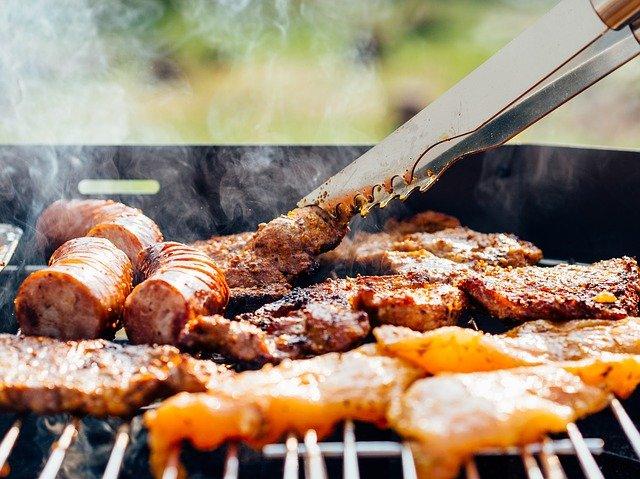

ST. LOUIS - This time of year, many sports are calling for our attention. From college and pro football to postseason baseball and school soccer, it’s likely a lot of us will spend hours watching a game or match – whether in person or on TV.
Get The Latest News!
Don't miss our top stories and need-to-know news everyday in your inbox.
And almost as important as watching the game is having snacks on hand while doing so, whether we’re cheering our kids from the sideline or hosting friends to watch the big weekend matchup.
Unfortunately, many traditional game day snacks aren’t the healthiest choices. Foods such as chips and dip, nachos, chili, pizza and sweets may be filled with flavor but are far from ideal when it comes to nutrition. Often, they’re high in calories, sugar, salt, red and processed meat and unhealthy fats.
But, of course, snacks and snacking by themselves aren’t unhealthy. In fact, they can absolutely be part of healthy eating, said Lauren Gallen, a registered dietitian at Siteman Cancer Center in St. Louis. And if we’re going for a long time between meals – as we might during a game or match – snacking can give us energy and keep us from feeling so hungry that, when we finally sit down for a full meal, we eat too fast and overdo it.
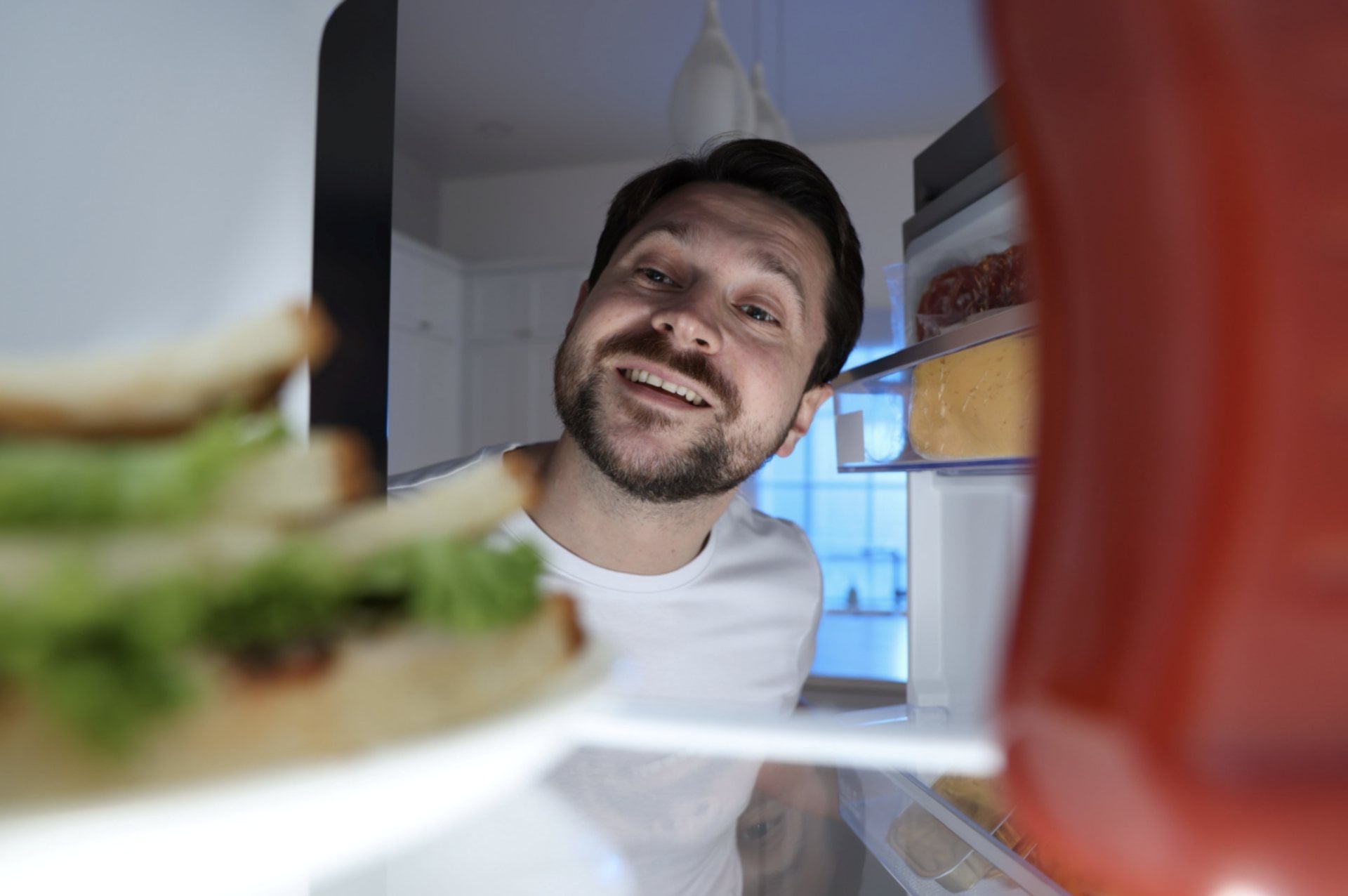
“Balanced snacks are usually more satisfying, so a good blueprint to follow is to choose options with two components,” Gallen said. “Include something with carbs – crackers, rice cakes, fruit, chips, pretzels – and something with protein and/or fat – hummus, cheese, peanut butter.”
When it comes to more traditional game day snacks, some simple changes can really help improve the way we eat without really sacrificing much, if any, taste and our overall enjoyment.
Instead of replacing foods with “healthified” versions, try choosing smaller portions and boost those by adding some healthier choices to your plate, such as fruit, vegetables, pretzels and grilled chicken. “Starting with smaller amounts of our favorites allows us to assess whether we feel satisfied and comfortable after that portion or if we are still hungry for additional food,” Gallen said.
This approach to improving our game day snacking can be an easy way to improve the health of our overall eating too. We don’t need to give up foods we really enjoy, even if they aren’t very nutritious. Instead, maybe we eat those dishes less often, or we choose smaller portions, adding in whole grains and vegetables as a healthier side dish. Or instead of regularly having a beer or glass of wine, we choose an alcohol-free version or bottle of fizzy water more often.
Whether it’s a game day snack or our weekly menu, these small updates to how we eat can lead to big scores for our health. Game on.
It’s your health. Take control.