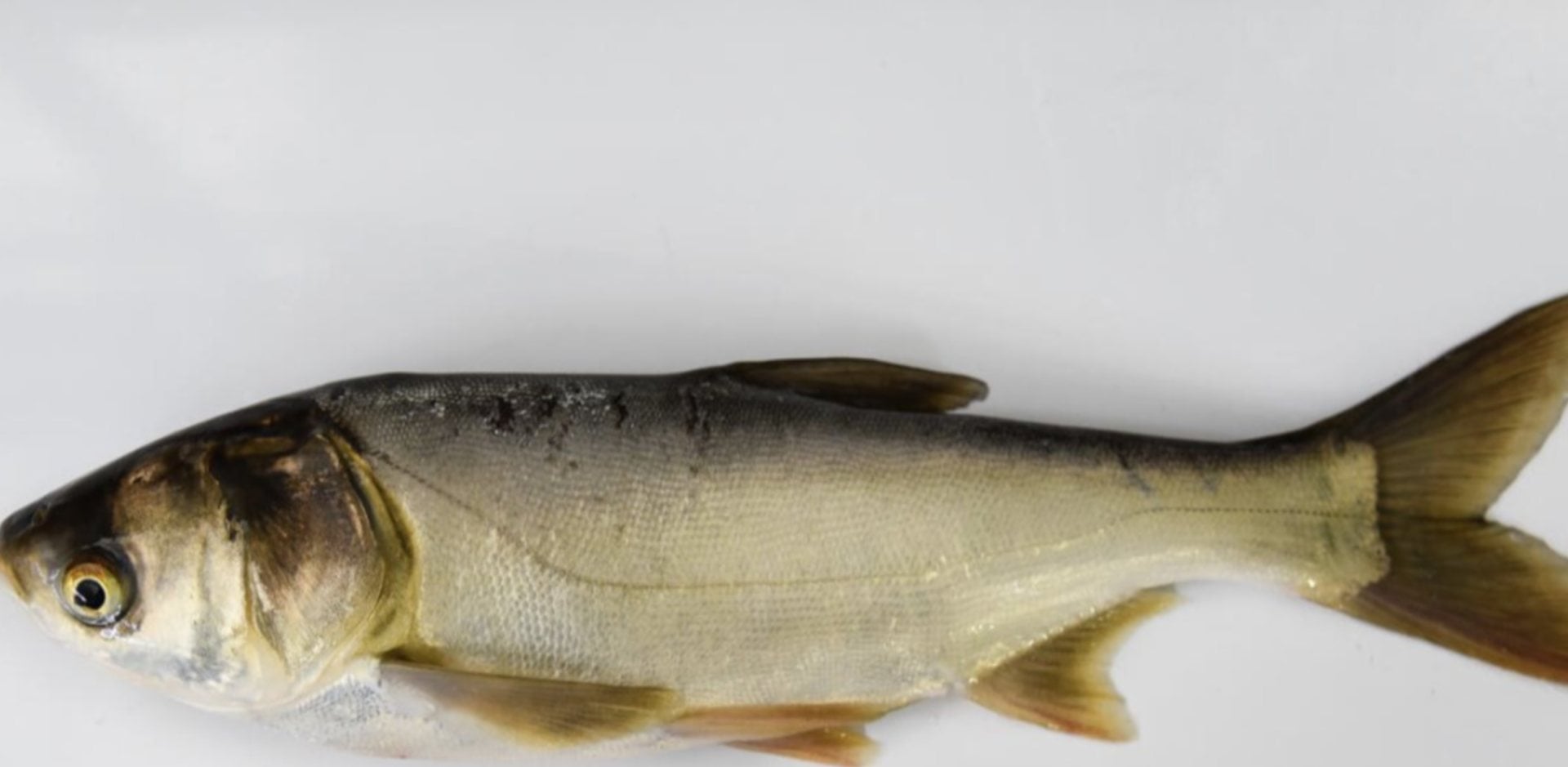
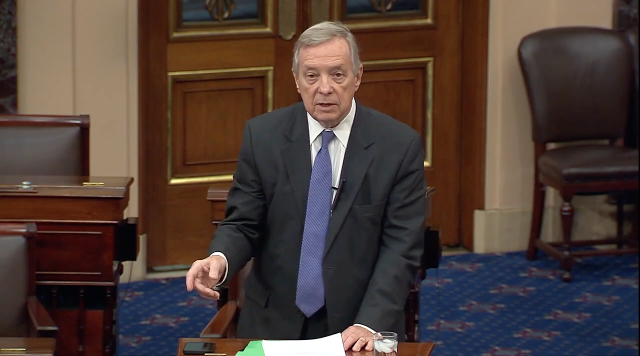
WASHINGTON – U.S. Senate Majority Whip Dick Durbin (D-IL) and U.S. Senators Jeff Merkley (D-OR) and Ben Cardin (D-MD) today introduced the Plastic Pellet Free Waters Act, which would require the U.S. Environmental Protection Administration (EPA) to prohibit the discharge of plastic pellets and other pre-production plastic into waterways from facilities and sources that make, use, package, or transport pellets. The pellets are being consumed by fish and marine life—and in turn, humans—and create additional damage to ecosystems.
Get The Latest News!
Don't miss our top stories and need-to-know news everyday in your inbox.
“Only nine percent of all plastics end up being recycled, with some of the waste ending up in landfills or incinerated—and far too much of it finding its way into our rivers, lakes, and oceans,” Durbin said. “The Plastic Pellet Free Waters Act is an important step in addressing the plastic problem that is plaguing our nation’s waterways and wildlife.”
“Plastic pellets have been found to be one of the largest direct sources of pollution to the oceans by weight. This is inexcusable,” said Merkley. “The Plastic Pellet Free Waters Act is part of the solution to keep America’s waterways free from plastic pollution.”

“Plastics and other pollution pose an urgent threat to the health of oceans and watersheds including the Chesapeake Bay,” said Cardin. “Ending plastic pellet pollution in our waterways will help us address one of the most pressing issues impacting the health of our environment.”
U.S. Representative Mike Levin (D-CA-49) will introduce companion legislation in the U.S. House of Representatives.
Plastic pellets, or nurdles, are the pre-production building blocks of nearly all plastic goods. Due to the low cost of producing these pellets, they are often washed down drains or dumped if they come in contact with other materials like dust and dirt. They are also often spilled both in the shipping and production process—eventually finding their way into our waterways, including the Great Lakes.
Each year, it is estimated plastic pellet pollution contributes significantly to the 22 million tons of plastic that end up in the Great Lakes. The shorelines of the Great Lakes are littered with plastic pellets, with 42 of 66 beaches on all five Great Lakes recording significant pollution levels of these pellets (19.1 pellets per m2). These pellets not only are showing up on beaches, but are building up on the bottom of the lakes and are being consumed by fish and marine life. Plastic pollution has become so prevalent, a recent study showed that the average person ingests approximately five grams of plastic each week – the equivalent of a credit card.
Approximately 250,000 tons of plastic pellets end up in the oceans annually. It is estimated that by 2025, more than 4.5 billion pounds of plastic packaging will be used annually.