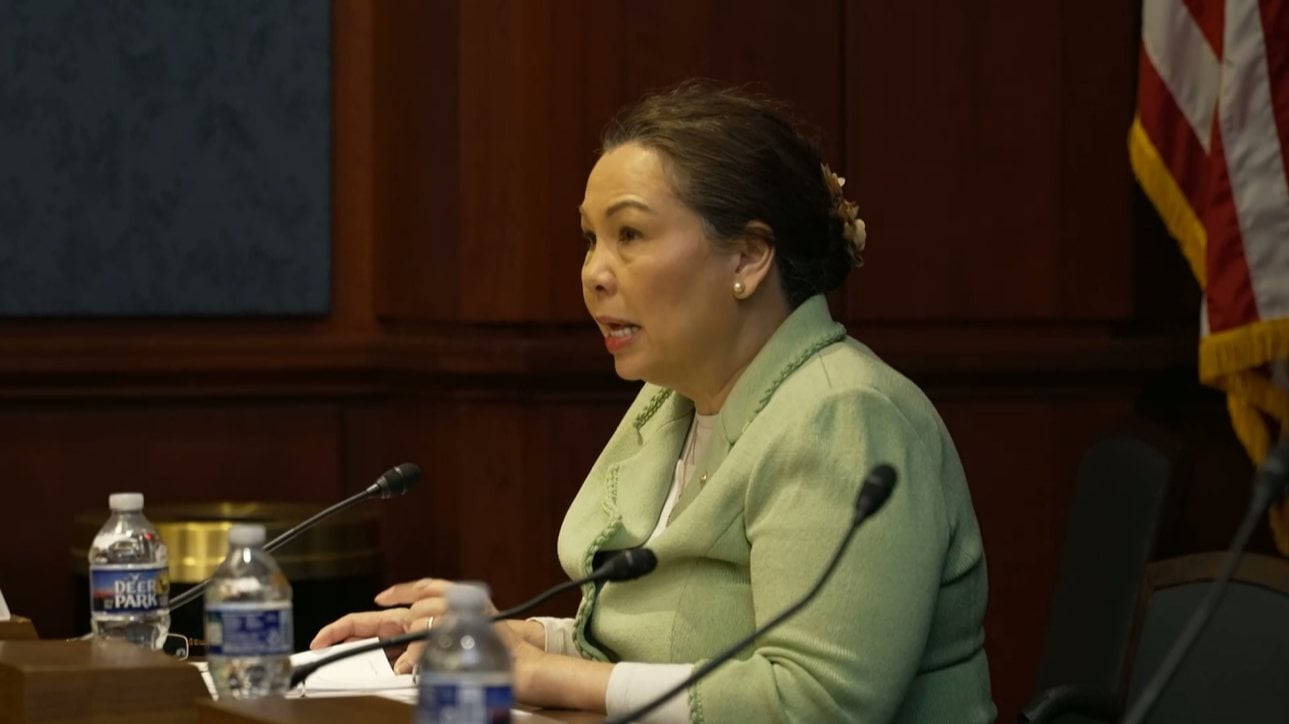

WASHINGTON, DC – U.S. Senator Tammy Duckworth (D-IL) reintroduced the Video Visitation and Inmate Calling in Prisons Act of 2017 to strengthen the nation’s criminal justice system by helping families keep in touch with incarcerated family members, something studies have shown can help reduce recidivism rates and thereby save taxpayer dollars. The legislation would remove any doubt over the Federal Communications Commission’s (FCC) authority to regulate video visitation and inmate calling services, as well as help the FCC ensure consistent, quality video visitation services in prisons. The legislation would also protect against exorbitant price hikes on telecommunications between inmates and their families.
Get The Latest News!
Don't miss our top stories and need-to-know news everyday in your inbox.

“The vast majority of prisoners will eventually be released, and it’s only common-sense that—once they’ve repaid their debt to society—we should do whatever we can to ensure they do not return to a life of crime and instead have a chance to succeed,” said Duckworth. “Preserving contact with family members can enhance rehabilitation and improve the odds that former prisoners are able to become productive members of society upon their release, and my new legislation will help reform our criminal justice system to make that easier—not just for prisoners, but for their families as well.”
Duckworth’s legislation will prevent abuse of the prison video visitation service industry – a largely unregulated area of commerce that often pairs low-quality service with exorbitant, cost-prohibitive fees incarcerated individuals and their families cannot afford. Video visitation services currently available in prisons are often unreasonably expensive and far lower quality than the videoconferencing services used by the general public, like Skype or FaceTime. The Video Visitation and Inmate Calling in Prisons Act of 2017 would also ensure federal prisons do not replace in-person visitation when offering video visitation services to inmates.
Duckworth is reintroducing this legislation a month after a federal court struck down regulations that put a cap on the cost of inmate phone calls. Without such regulations in place, large corporations have the option to exploit inmates and their families in telecommunication price hikes with no federal oversight. The Prison Policy Initiative released a report in 2015 outlining the benefits, challenges and recommendations for improving the video visitation industry in 500 facilities in 43 states – including Illinois and the District of Columbia that are experimenting with video visitation.
Duckworth’s Video Visitation and Inmate Calling in Prisons Act of 2017 builds on the report and puts many of their recommendations into action. Specifically, this legislation:
- Ensures video visitation is used only as a supplement to, and not a replacement of, in-person visitation;
- Requires the FCC to establish rules governing the procurement and use of video visitation and inmate calling services to make sure rates are reasonable, fair and just in Federal and State prisons.
- Requires the BOP to establish guidelines to govern the agency’s purchase and use of video visitation services, as a supplement to in-person visitation.
More information on the Video Visitation and Inmate Calling in Prisons Act of 2017 is available here.