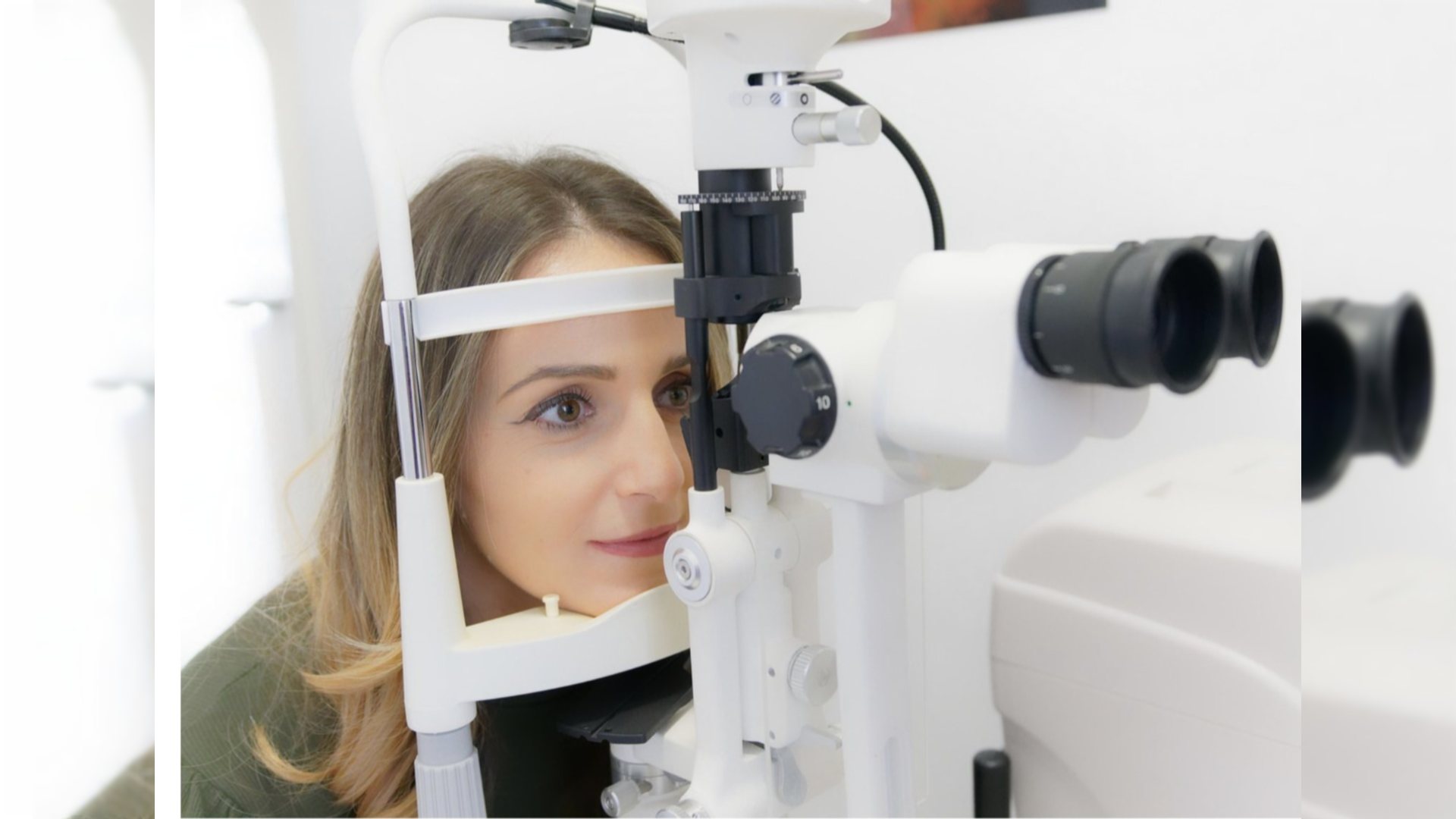
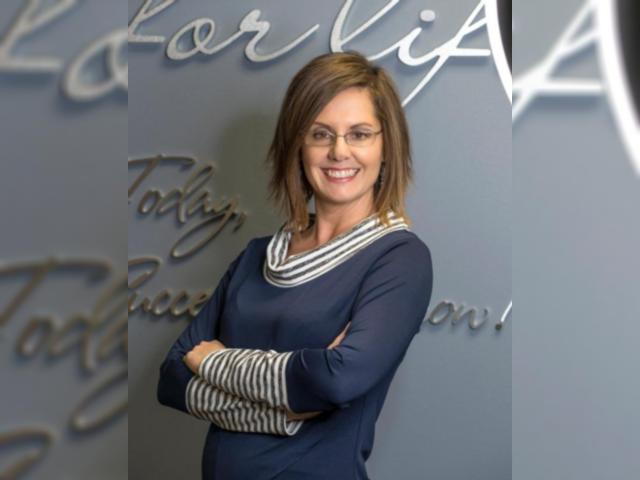
GLEN CARBON – Dr. Julie Steinhauer, OD, FCOVD, owner of Vision For Life in Glen Carbon, IL, and one of a select group of functional vision doctors in the nation, says several treatment options are available now to help children and adults who suffer from an eye condition known as esotropia, a form of strabismus, which creates an eye misalignment characterized by an inward turn of either one or both eyes.
Get The Latest News!
Don't miss our top stories and need-to-know news everyday in your inbox.
The condition can be constantly present, or occur intermittently, and can give the affected individual a "cross-eyed" appearance. It can be brought about by prematurity in infants, a positive family history, and various neurological and genetic disorders which increase the risk of eye misalignment. Also, some systemic disorders can cause ocular misalignment such as hyperthyroidism and diabetes.
“We see more young children and adults now with esotropia than ever before,” said Steinhauer. “A lot of it is stress related and can be brought on by too much screen time staring at mobile phones and other devices. Severe cases such as a constant inward turn of the eye can be easy to detect. More moderate cases can be difficult for adults and parents to notice.”
Vision therapy — strabismus treatment without surgery; with or without corrective lenses — is the most effective and non-invasive treatment for Strabismus related conditions such as esotropia. In a vision therapy program, eye exercises, lenses, and/or other therapy activities are used to treat the brain and nervous system which control the eye muscles.
Steinhauer, in her YouTube video on Esotropia says treatments for esotropia include photosyntonics light therapy goggles.
“Photosyntonics can help retrigger the brain and send new corrective ‘messages’ to the eye muscles. Another treatment option we use is more mechanical where the brain is trained to align the use of two eyes together. We have had great success working with patients who have even the most severe of inward eye turns.”
A comprehensive vision examination can help reveal the severity of esotropia. Visual acuity techniques can identify the extent in which the patient’s vision is being affected. Tests include an analysis of how the actual severity of eye turn and how the eyes work and move together.
For additional information visit https://visionforlifeworks.com.
ABOUT DR. JULIE STEINHAUER
Dr. Steinhauer, now in her 19th year of practice, is a developmental optometrist specializing in vision related learning problems, sports vision, and rehabilitative optometry. She is board certified in vision development as a Fellow of the College of Optometrists in Vision Development. Dr. Steinhauer is a member of the Illinois Optometric Association, American Optometric Association, College of Optometrists in Vision Development, Optometric Extension Program, the College of Syntonic Optometry, and the Neuro-Optometric Rehabilitation Association.