
A diagnosis of chronic obstructive pulmonary disease (COPD) might bring fear and uncertainty. But Leah Knabe, APRN, a family nurse practitioner in pulmonology at OSF HealthCare, is reminding you that treatment has progressed in recent years, and a diagnosis doesn’t automatically mean a reduced quality of life.
Get The Latest News!
Don't miss our top stories and need-to-know news everyday in your inbox.
A recap
First, a recap. Knabe says COPD is an obstruction in the airways, typically caused by inflammation from an outside irritant.
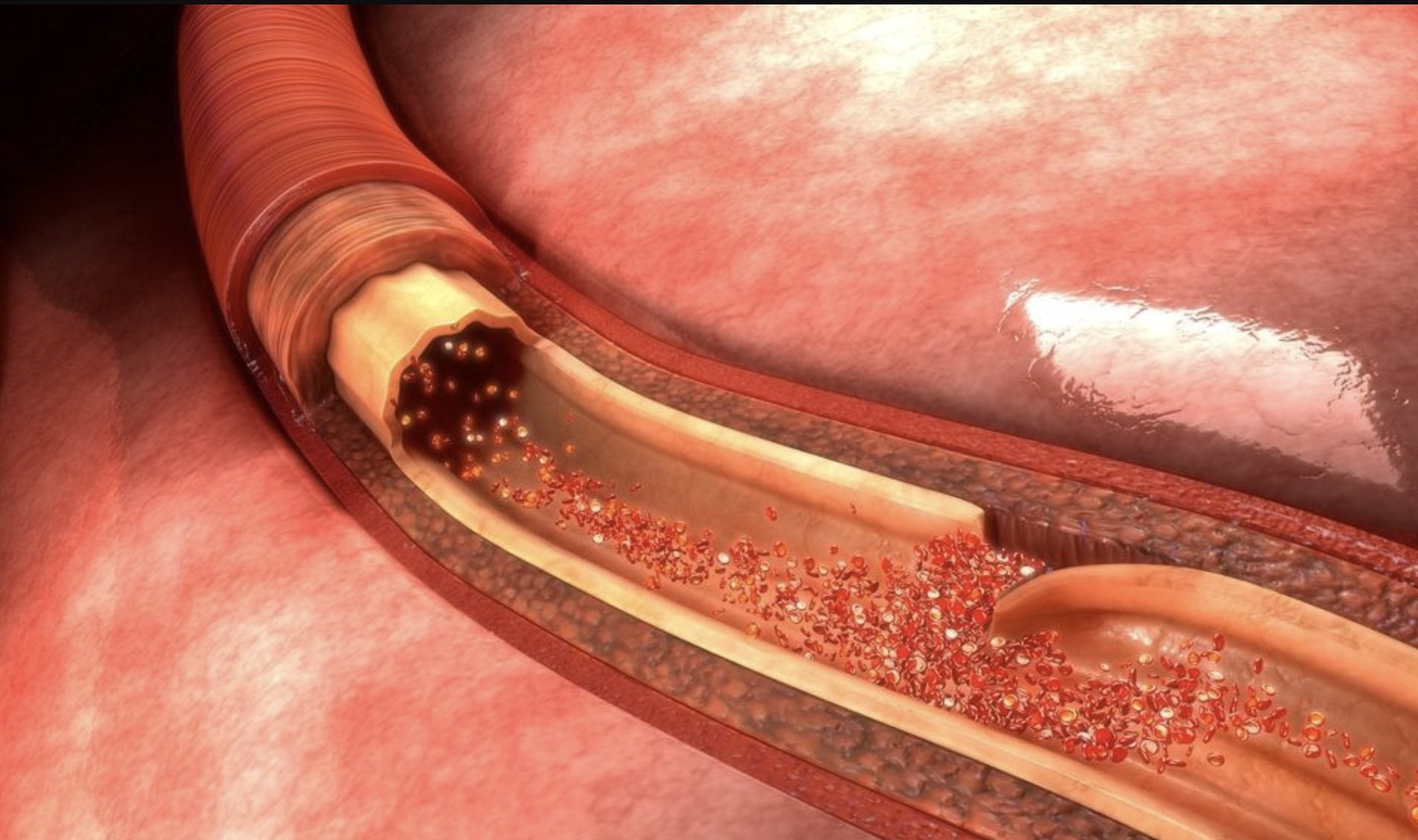
“Symptoms typically are cough, shortness of breath and excess mucus production. There’s wheezing from inflammation in the airways. The little bronchioles in our lungs get tight. Good airflow and gas exchanges aren’t happening. It leads to that shortness of breath. The disease typically progresses [gets worse] over time,” Knabe explains.
Knabe says COPD is the third leading cause of death worldwide, and around 81% of cases are undiagnosed. That makes it all the more important for people with COPD to see their primary care provider or pulmonologist regularly. A person could be treated with steroids, antibiotics or go on oxygen. Smoking is the biggest risk factor for COPD, so you should avoid cigarettes and vapes to preserve lung function. People who work around chemicals, like farmers, custodians and factory workers, are also at a higher risk.
More on treatment
Knabe says that just in the last year, COPD treatment has gotten better, leading to more options for the patient.
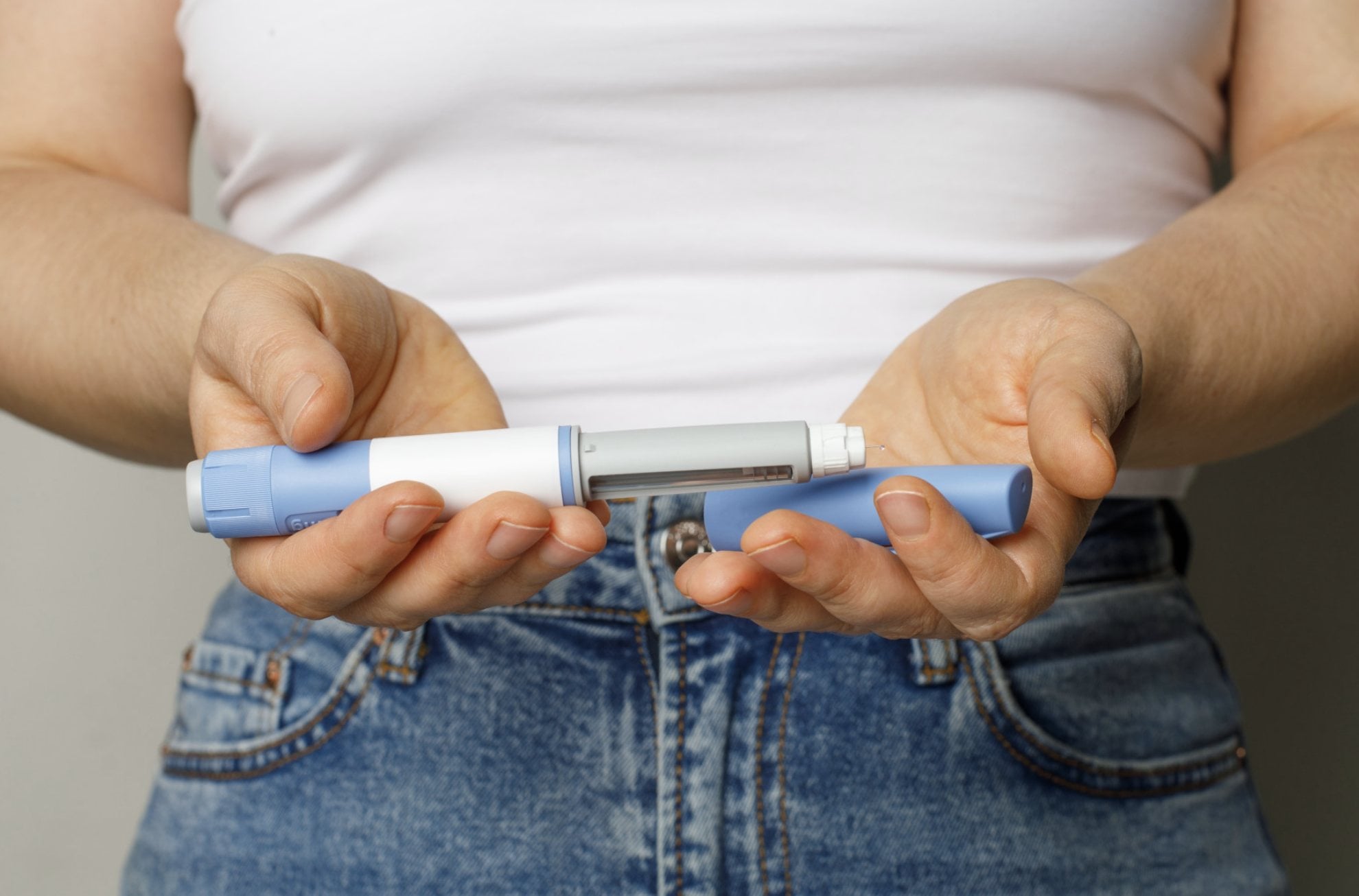
“We’ve had biologics become approved for use in COPD patients. They’re an injection that helps manage the inflammation that flares up the symptoms,” Knabe outlines. “There are new inhalers. There are nebulized medications that have come onto the scene in the past year. Those help with shortness of breath. There are other recommendations through the Global Initiative For Chronic Obstructive Lung Disease. Those include the antibiotic medication azithromycin three times per week for really severe cases.
“Inhaler technique is something that is overlooked a lot for COPD patients. We need to make sure they have the right technique to get the medication where it needs to go,” Knabe adds. “If that’s an issue for our severe COPD patients, they do make medication for the nebulizer that can help. If you can’t pull that medicine from the inhaler down into your lungs, there’s the nebulizer machine that fumes the medication. They sit and breathe that in versus trying to physically pull it down with the inhaler.”
In other words, there is hope, Knabe says. The goal is to help the person breathe easier for a long time. But early detection is key.