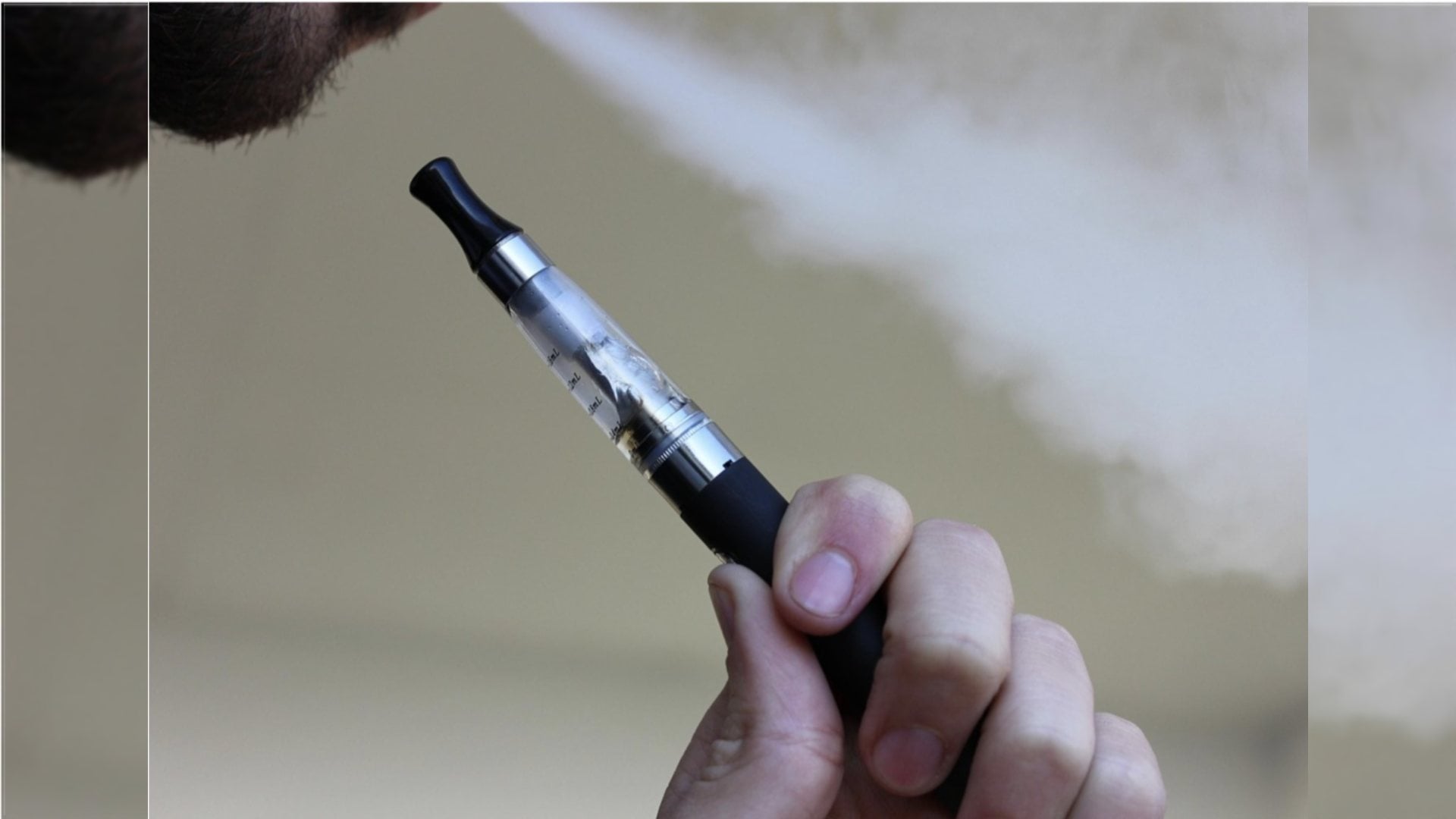


WOOD RIVER – The United States Surgeon General recently announced vaping as an “epidemic” among teenagers.
Get The Latest News!
Don't miss our top stories and need-to-know news everyday in your inbox.
What is vaping? Vaping is a tool used by many to quit smoking. It delivers nicotine by way of vaporized “juice,” which turns into steam instead of smoke before being inhaled into the lungs. While proponents of vaping claim it to be much safer than smoking, many health-based organizations, including the American Heart Association, state vaping still contains the addictive chemical, nicotine, which can cause birth defects and other health issues. The Food and Drug Administration (FDA) also is looking to further restrict the sale and appeal of vaping to minors through efforts to ban flavors, which seemingly appeal to children.
So, if vaping is considered an “epidemic” among young people, what are local schools doing about it? Emails from Riverbender.com were sent to administrators in the Alton, Southwestern and East Alton Wood River High School Districts with questions regarding this alleged epidemic. Representatives from both Alton and East Alton Wood River High School replied.
East Alton Wood River High School Assistant Principal Kevin Gockel answered questions submitted in depth. In an email, Gockel estimated a “very high percentage” of students in the East Alton Wood River High School District have at least tried vaping. In fact, he estimated as many as 50 percent of students in the district have at least tried it.
“Vaping is not an EAWR problem, of course,” he said. “It is a state and national problem, according to other districts and reports we see from news media, surveys, etc.
In order to curb its usage while in class, Gockel said the district has an explicit policy regarding vaping. Anyone caught doing it receives a two-day in-school supervision assignment. Possessing an e-cigarette or vaping device while on school grounds results in one day.
“First of all, using an electronic cigarette or vape is prohibited on school grounds for any age of student or adult,” he said. “However, we have given the consequences to at least 50 stories this year.”
Gockel also said health classes taught to high school students focus on the negative health impacts of nicotine use – both in cigarettes and in vaping. Parents are also informed when students are found with such devices. Student-athletes are also prohibited from vaping – even when outside of school time.
“Our student-athletes agree to follow the athletic discipline code outside of the school day, or risk athletic consequences,” he said. “And, we do discuss the dangers of vaping with students in several venues. However, given the seeming popularity of vaping in the general population as well as students, it's an uphill battle, to be sure.”
Alton Assistant Superintendent Kristie Baumgartner provided the following excerpt from the district's handbook in regards to vaping:
The District's Student Handbook prohibits the use of e-cigarettes and vaporizers or "vapes" and the consequences for use are similar to those related to tobacco and smokeless tobacco.
Like many schools and districts across the nation, we are very concerned about the rise in vaping by teens. The recent FDA report citing over one-third of high school seniors are now using vaporizers is certainly alarming and we know that includes students from our communities. Students are exposing themselves to high nicotine levels when using a Juul or e-cigarette and that is of critical concern for us.
In order to reduce the number of students vaping, using tobacco or other substances, we know that education is key. Students need to understand the dangers involved and we are fortunate to have organizations that partner with us in these efforts such as the BJC/Alton Memorial Community Schools Program, Drug-Free Alton and others. It is imperative for students to have the information they need to make good choices.
Illinois law prohibits any product(s) containing nicotine from being sold to anyone under 18 years of age.