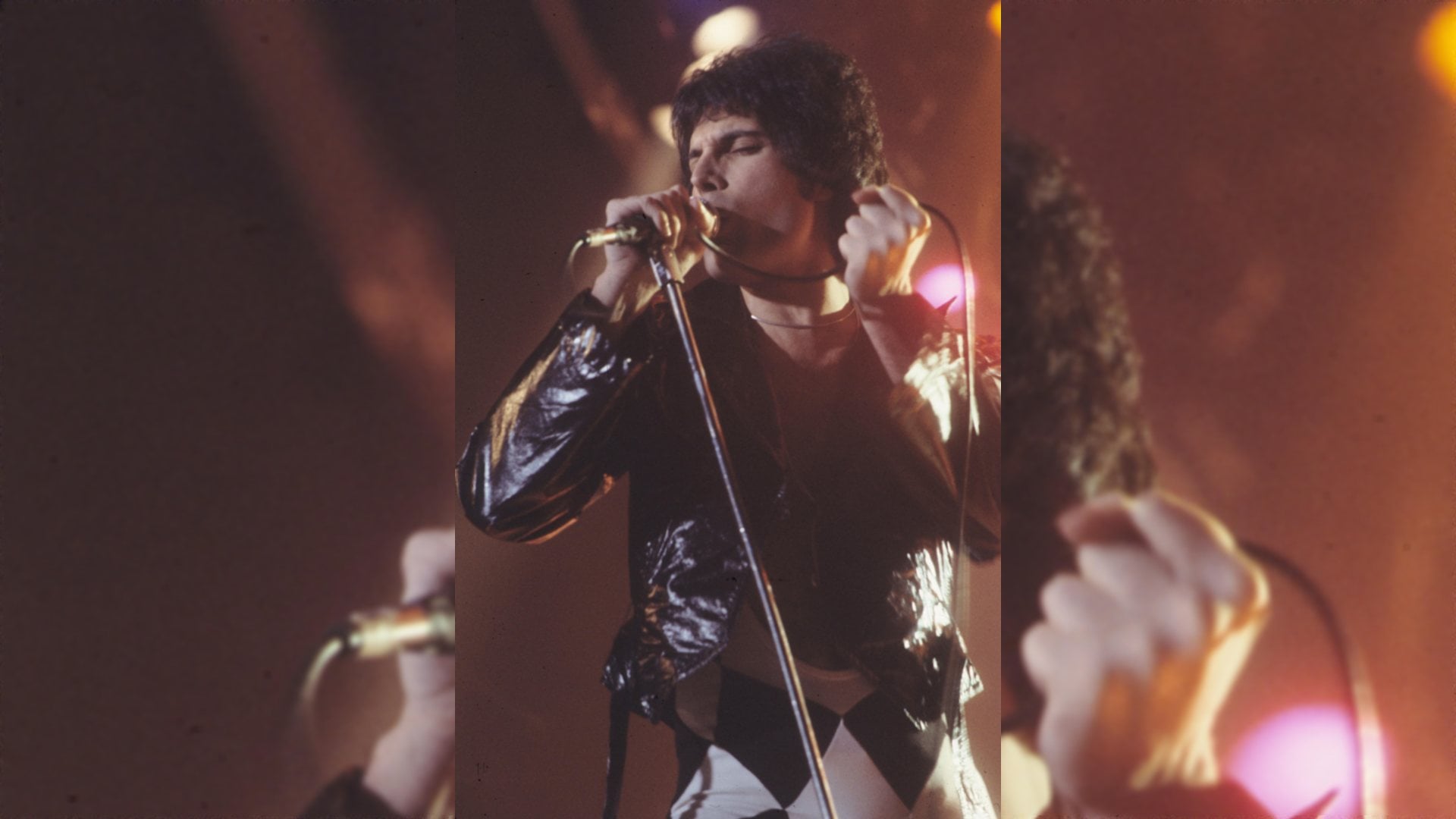
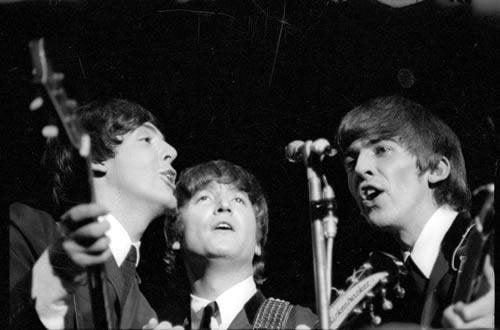
A modest British single released on Oct. 5, 1962, opened one of popular music’s most consequential chapters. The Beatles’ “Love Me Do,” backed with “P.S. I Love You,” introduced their recording career on Parlophone. It was not an overnight chart-topper, but the Lennon-McCartney composition established a starting point for a group whose rise would reshape popular music. On its 64th anniversary, the record remains a reminder that historic changes can begin with something small.
Get The Latest News!
Don't miss our top stories and need-to-know news everyday in your inbox.
The musical history of Oct. 5 also reaches beyond the record store. Its milestones include a national orchestral broadcast, ambitious rock albums, a breakthrough pop ballad and a collection celebrating country music’s staying power. Following those events through the years reveals different ways performers and institutions brought their work to wider audiences.
On Oct. 5, 1930, the New York Philharmonic made its first live national radio broadcast over the CBS network. Erich Kleiber conducted the orchestra at Carnegie Hall. The distinction is important: This was the Philharmonic’s national broadcasting milestone, not the first time an orchestra had appeared on radio. The organization had already been heard on New York station WJZ in 1922.
The national broadcasts made a New York concert accessible without a trip to New York or a seat in Carnegie Hall. They began a long relationship between the Philharmonic and listeners beyond its concert audience. Seen alongside the recordings that followed on this date, the broadcast represents another kind of musical breakthrough: technology expanding access to a live performance rather than changing the music itself. The Philharmonic would maintain an almost continuous presence on national radio after that 1930 beginning.
Thirty-two years later, “Love Me Do” arrived in Britain on Oct. 5, 1962. Produced by George Martin and credited to John Lennon and Paul McCartney, the single eventually reached No. 17 in the United Kingdom. Its American release came in 1964, when it became a No. 1 hit. Those separate outcomes help put the original release in perspective: The Beatles’ first British single was a foothold, not an immediate commercial conquest.
Contemporary coverage was restrained. Some British music publications gave the new record brief attention, while others offered no mention of it in their release-week issues. The contrast between that quiet reception and the group’s subsequent importance makes the anniversary especially striking. Before “Love Me Do” became an origin story, it was a new record competing for notice among many others.
On Oct. 5, 1970, “Led Zeppelin III” was released in North America. The band’s official chronology places its British release later that month, on Oct. 23. The third album broadened the group’s musical direction, with a pastoral character that challenged expectations formed by its first two records. Rather than simply repeating a successful approach, Led Zeppelin asked listeners to follow it into different musical territory.
Not all critics welcomed that expansion. Guitarist Jimmy Page later argued that reviewers had been looking for another “Whole Lotta Love” instead of hearing the album on its own terms. Audiences nevertheless sent “Led Zeppelin III” to No. 1 in the United States, where it stayed for four weeks. Its place in this date’s history rests on that combination of commercial strength and a willingness to test the boundaries of an established sound.
Another major statement arrived Oct. 5, 1973, when Elton John released “Goodbye Yellow Brick Road.” His first double LP brought together songs written with Bernie Taupin and produced by Gus Dudgeon. Its 17 tracks included “Candle in the Wind,” “Bennie and the Jets,” “Saturday Night’s Alright for Fighting” and the title song, giving the album an unusually deep collection of recognizable material.
The extended opening, “Funeral for a Friend/Love Lies Bleeding,” signaled the record’s scale before its more compact songs unfolded. The album spent eight weeks atop the American album chart and also reached No. 1 in Britain, Canada and Australia. Its success demonstrated that John’s appeal could sustain a sprawling album as well as individual hits, and its songs became enduring parts of his concert repertoire.
On the Billboard Hot 100 dated Oct. 5, 1974, Olivia Newton-John reached No. 1 with “I Honestly Love You,” her first American chart-topper. Written by Peter Allen and Jeff Barry, the ballad marked a major step in her emergence as a pop star. The recording subsequently won record of the year and best female pop vocal performance at the 1975 Grammy Awards, recognition that extended its importance beyond its initial chart success.
Finally, on Oct. 5, 2004, MCA released George Strait’s “50 Number Ones.” The anthology traced his career from “Fool Hearted Memory,” his first No. 1 in 1982, through “She’ll Leave You With a Smile” in 2002, and added the new song “I Hate Everything.” It gathered decades of work by a singer whose approach combined contemporary country with traditional honky-tonk roots. Where the Beatles’ debut captured a beginning, Strait’s collection offered a long view: a career built through song selection, understated delivery and a recognizable musical identity.