A couple posts an engagement photo, and within minutes the comments fill up: hearts, jokes, blessings, advice, and sometimes even tears from people far away. Love may begin between two people, but it rarely stays private for long. People have a strong urge to make love visible, and that urge says something important about how we live together.
Get The Latest News!
Don't miss our top stories and need-to-know news everyday in your inbox.
Love is personal, but public celebration gives it social meaning. A wedding, an anniversary dinner, a hand held in the street, a Valentine card on a desk, a photo shared online—these are not all the same, yet they follow a similar pattern. They turn private feeling into something others can witness. People do this for emotional reasons, of course, but also for social ones. Public displays of love help build trust, strengthen group bonds, mark major life changes, and tell a story about who belongs with whom.
Love feels bigger when it is witnessed
One simple reason people celebrate love publicly is that strong emotions often push us toward expression. Joy wants an audience. When people fall in love, get married, renew vows, or welcome a child, they often feel that the moment is too important to keep hidden.
This does not mean the feeling is less real if it is shared. In fact, sharing can make it feel more real. Think about birthdays, graduations, or team victories. Part of what makes those moments powerful is that other people see them and respond. Love works in much the same way. A public celebration invites others to say, in effect, “We see this. It matters.”
That response can be deeply comforting. It turns a private emotion into a shared event. It also gives people a memory that feels anchored in community, not just in the mind of one person.
Public love helps communities recognize bonds
When a couple marries, announces an engagement, or even introduces each other to family, they are not only expressing affection. They are also asking others to recognize a bond. Public celebration tells the wider group that this relationship is serious, valued, and worth respecting.
This matters because human life depends on social networks. Families, friends, neighbors, and coworkers often change their behavior once a relationship becomes public. They may offer support, adjust expectations, or include a new partner in traditions and plans. A public sign of love helps everyone understand the relationship's place in the social world.
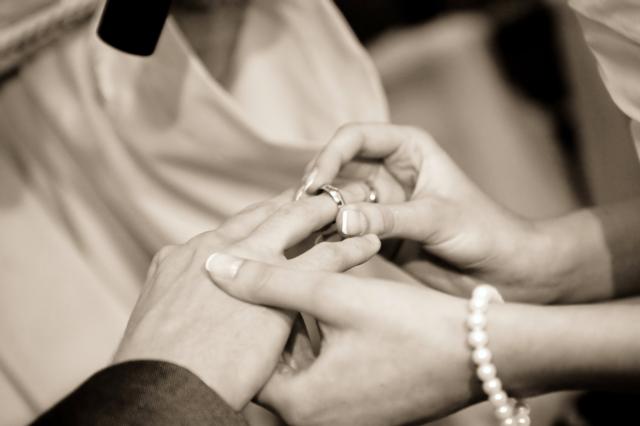
That is one reason ceremonies matter so much. A wedding is not just a romantic event. It is also a public agreement. Even smaller acts can serve the same purpose. Wearing a wedding ring, calling someone “my partner,” or posting a family photo can all function as signals that say, “This bond is part of my life, and I want others to recognize it.”
Ritual gives love shape
Love is powerful, but it can also feel hard to define. Public rituals give it structure. They turn a feeling into actions that people can repeat and understand.
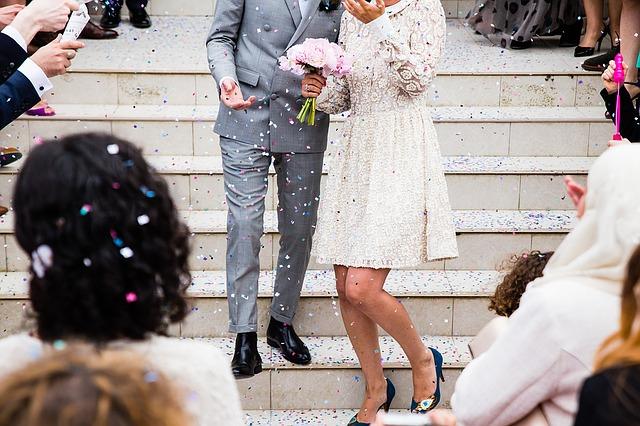
The forms vary widely. Some couples exchange vows in front of hundreds of guests. Others light candles, share tea, dance, break bread, sign papers, or tie symbolic knots. In some places, red roses stand for romance. In others, certain foods, songs, or colors carry the message. The details differ, but the purpose is similar: ritual makes emotion visible.
These rituals often survive because they make big feelings easier to handle. Saying “I love you” matters, but saying it in a recognized setting can feel even more powerful. The setting gives the moment weight. It also helps others join in. Guests clap. Families bless the couple. Friends bring gifts. The community takes part in shaping the memory.
Common sayings reflect this public side of love. Phrases like “tie the knot,” “make it official,” or “go public” all suggest that love gains a new status when others know about it. Even the phrase “public display of affection” shows that people expect love to appear in visible forms.
Public celebration can be practical, not just romantic
Love is often described as a feeling, but public celebration has practical uses too. It can create stability. When a relationship is openly acknowledged, it may be easier for others to understand roles, boundaries, and commitments.

This is especially important during major life transitions. Marriage, partnership, adoption, or caring for an aging spouse all affect more than the couple alone. Public recognition can help organize support. It tells friends and relatives where to direct help, attention, and responsibility.
There is also a basic human need for reassurance. A public act of commitment can reduce uncertainty. It may signal loyalty, seriousness, and intention. Not every public declaration guarantees a healthy relationship, of course. A dramatic proposal or expensive wedding cannot create trust on its own. But visible commitment can still serve as a meaningful promise.
In everyday life, this shows up in small ways. A person introduces their partner at a work event. Someone updates an emergency contact. A couple celebrates a milestone dinner with family. These acts are not always grand or sentimental. Still, they publicly place love within the practical framework of life.
Culture teaches us how to show love
People do not invent public love from scratch. They learn it from the culture around them. Films, songs, family habits, religion, and social media all shape what counts as a proper display of affection.
In one culture, open kissing in public may be normal. In another, it may be seen as too intimate. Some families expect large weddings with many witnesses. Others value quiet ceremonies. Some communities celebrate love through poetry and music. Others focus on gifts, food, or formal introductions between families.
Valentine’s Day is a good example of this cultural teaching. Many people think of it as a simple holiday for couples, but it also reveals social expectations. Cards, flowers, chocolates, and public gestures all send messages. Sometimes those messages are sincere. Sometimes they are commercial. Often they are both. The day can make people feel included, pressured, joyful, lonely, grateful, or skeptical. That range of reaction shows how public love is never just about two individuals. It is shaped by wider social rules.
Social media has expanded this even more. People now celebrate anniversaries, engagements, and affection before an audience that may include hundreds or thousands. This can create warmth and connection. It can also create performance and comparison. A relationship post may express real happiness, but it can also raise questions: Is this for loved ones, for approval, or both? In many cases, it is a mix.
Public love helps build identity
Celebrating love publicly also helps people define themselves. Relationships often become part of personal identity. People may see themselves as a spouse, partner, parent, or member of a family unit. Public acts confirm that identity.
This is especially meaningful for people whose relationships have not always been accepted. For them, public celebration can be an act of dignity and visibility. Being able to hold hands openly, marry legally, or post a photo without fear is not a small thing. It shows that love is not only felt but recognized.
Even outside political or legal struggles, public celebration helps people tell the story of their lives. Photos, anniversaries, keepsakes, and ceremonies become markers of a shared path. They say, “This happened. This mattered. This is part of who we are.”
What people can notice in their own lives
It is easy to think of public celebration only in terms of weddings or dramatic romantic gestures. But it appears in quieter ways too. You can recognize it when someone saves a seat for their partner, uses affectionate language in front of friends, displays a family photo at work, or cooks a favorite meal for an anniversary gathering.
These actions reveal something important: public love is not always about showing off. Often, it is about inviting others into a truth that already exists. It can be a request for blessing, a sign of commitment, a habit of belonging, or simply a way of saying, “This person matters to me.”
At the same time, not everyone expresses love publicly to the same degree. Some people are private by nature. Others come from backgrounds where public affection is limited. This does not mean they love less. It simply means public celebration is one language among many.
Humans celebrate love publicly because love does more than connect two hearts. It changes relationships, reshapes communities, and gives people a sense of meaning that feels larger than the self. When love becomes visible, it invites recognition, memory, and support. That is why the smallest gesture and the grandest ceremony can carry the same basic message: what we feel inside often becomes strongest when it is seen.