Fish were once so valuable that entire towns rose, traded, and survived because of them.
Get The Latest News!
Don't miss our top stories and need-to-know news everyday in your inbox.
That simple fact helps explain why fishing traditions run so deep in human history. Fishing was never just a way to catch dinner. It shaped travel routes, family roles, tools, stories, festivals, and even local laws. In many places, the habits built around rivers, lakes, and coasts became part of a community’s identity. The history of fishing traditions is really a history of how people learned to live with water.
The first fishing traditions began with close observation
Long before modern rods, reels, and motorboats, people watched the behavior of fish with remarkable care. They noticed when fish moved upstream, where they gathered in shallow water, and which baits worked best. Early fishing traditions likely began with simple hands-on methods: spearing fish, trapping them in woven baskets, or catching them in tidal pools as the water receded.
Archaeologists have found ancient fish hooks made from bone, shell, and wood. Nets appeared early too, often made from plant fibers. These were not random inventions. They were the result of trial and error passed from one generation to the next. A fishing tradition often started as practical knowledge: where to stand, when to cast, what to use, and how to preserve the catch.
That kind of learning still feels familiar. Even now, many anglers have a favorite spot, a “lucky” lure, or a family rule about when fish bite best. The tools may be newer, but the habit of shared knowledge is very old.
Rivers and coasts helped build early communities
Fishing became especially important where land and water met. Riverbanks, lake shores, and coastlines gave people a dependable food source. In some regions, fish were easier to obtain than large game. That made fishing central to survival.
Settlements often formed near strong fisheries. Salmon runs supported communities in the Pacific Northwest. In northern Europe, cod and herring became major food sources and trade goods. Along the Nile, fish fed workers and families for centuries. In parts of Asia, fishing villages developed around rivers, estuaries, and shallow coastal waters where small boats could launch easily.
Fish also stored well when dried, salted, or smoked. This mattered enormously. A fresh catch fed people for a day. Preserved fish could feed them for weeks or be traded inland for grain, cloth, or tools. In that sense, fishing traditions were tied not only to food but also to local economies.
You can still see this history in place names, harbor markets, and old smokehouses. Even recipes tell the story. Salt cod stews, smoked herring, pickled fish, and dried anchovies all came from the need to make a catch last.
Fishing was work, but it was also ritual
In many societies, fishing was surrounded by customs that went far beyond technique. Some communities offered thanks before launching a boat. Others held ceremonies at the start of a fishing season or after the first catch. These practices reflected respect for water, weather, luck, and the animals themselves.
Among Indigenous peoples in many parts of the world, fishing was often treated as a relationship rather than simple extraction. Salmon ceremonies, first-catch rituals, and rules about taking only what was needed helped shape both spiritual life and resource use. In Japan, traditional fishing methods developed alongside local beliefs about the sea and the dangers it held. In parts of Polynesia, fishing knowledge was tied to stars, tides, and sacred rules.
These traditions served practical purposes too. Rituals created order. They marked timing, taught patience, and reinforced the idea that nature had limits. Modern readers may see them as symbolic, but they often helped communities avoid waste and overfishing.
Different waters created different methods
Fishing traditions changed depending on the environment. People adapted their tools to local fish and local conditions.
In cold northern seas, larger boats and strong lines were needed for deep-water species like cod. In wetlands and shallow rivers, traps and weirs worked well. A fish weir is a barrier placed in water to guide fish into a narrow space where they can be caught. These structures were used in many parts of the world and show how skilled early fishers were at reading currents and migration paths.
Fly fishing developed in freshwater streams, especially where fish fed near the surface on insects. The idea was simple but clever: imitate what the fish already wanted. In tropical regions, fishers often used canoes, handlines, and reef knowledge built over centuries. In icy climates, people cut holes in frozen lakes and used short lines or spears, creating traditions that still exist in ice fishing communities.
Even the same species could produce different customs. Salmon fishing, for example, might involve nets in one place, spears in another, and ceremonial first catches somewhere else. The method was local, but the underlying pattern was universal: people built traditions around the waters they knew best.
Fishing changed trade, class, and daily meals
As societies grew, fishing became more organized and commercial. Boats got larger. Crews specialized. Ports expanded. Fish markets became busy centers of everyday life.
In medieval Europe, fish had special importance because of religious fasting days, when meat was restricted. That increased demand for species like cod and herring. Entire industries grew around catching, preserving, and transporting fish. The cod trade, in particular, helped connect distant regions across the Atlantic world.
In Asia, fish and fish products such as dried fish, fish sauce, and fermented pastes became basic parts of daily cooking. These were not side foods. They were central ingredients that carried nutrition and flavor. In coastal Africa and the Mediterranean, small-scale fishing supported both households and local trade networks.
Fishing also reflected social class. In some places, wealthy people fished for sport while working families fished for food or income. That split still exists. One person may see fishing as a peaceful hobby; another may see it as hard labor tied to rent, fuel, and weather risk.
Sayings and symbols from fishing entered everyday language
Fishing traditions left marks on language that many people use without thinking about their origin. “Casting a wide net” means trying many options. “Hooked” suggests strong attraction. “There are plenty of fish in the sea” turns fish abundance into advice about relationships. “A big fish in a small pond” uses fishing imagery to describe status.
These sayings matter because they show how common fishing once was in daily life. People understood the images immediately. Nets, bait, lines, and tides were familiar ideas, not specialist terms.
There are also misunderstandings tied to fishing culture. One is the belief that old fishing traditions were always peaceful and sustainable. Some were carefully managed, but others could be harsh, competitive, and dangerous. Another is the idea that tradition means unchanged. In reality, fishing traditions constantly adapted. New hooks, stronger rope, engines, sonar, and refrigeration all changed how people fished, but older habits often survived alongside new technology.
Traditional fishing still shapes modern life
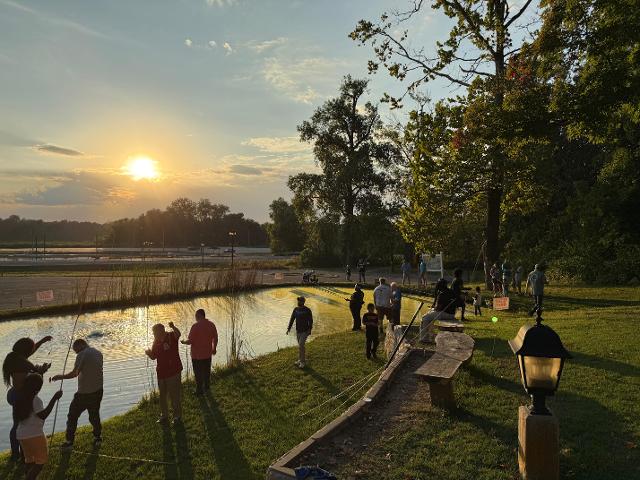
Fishing traditions are not locked in the past. They continue in family routines, local festivals, food habits, and regional identity.
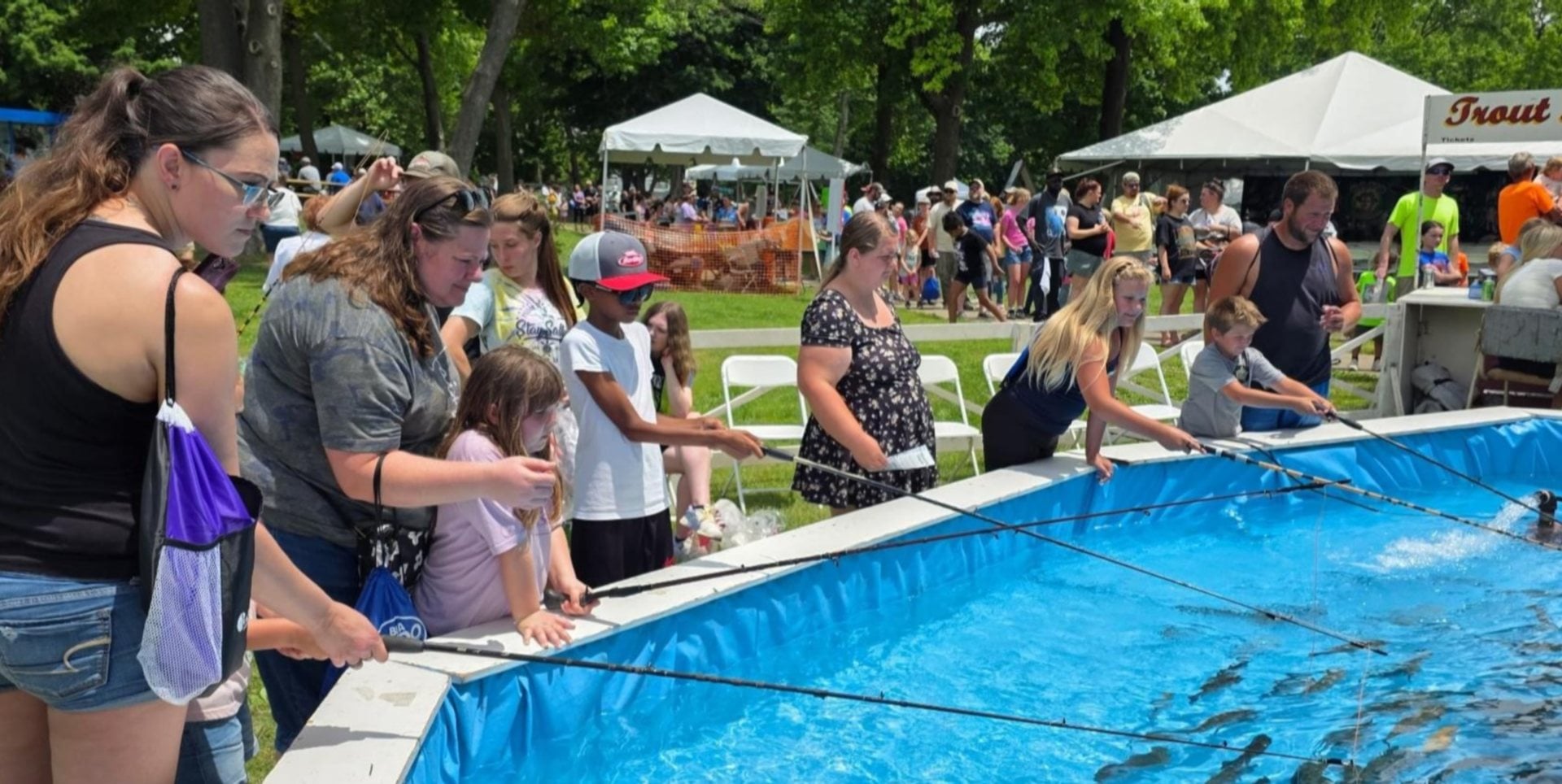
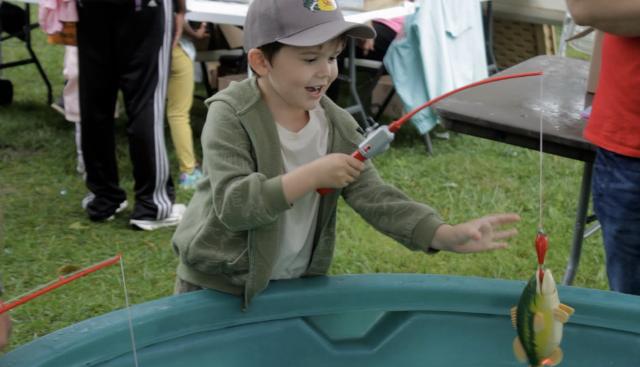
A child learning to tie a basic knot from a grandparent is part of a long chain of knowledge. A harbor blessing for fishing boats, a community fish fry, or a recipe for smoked trout all carry history forward in ordinary ways. Even catch-and-release sport fishing reflects a newer tradition built around conservation and recreation rather than pure necessity.
Tourism also keeps some traditions visible. Visitors may watch net casting in Southeast Asia, salmon festivals in North America, or old boat launches in small European ports. Some of these events are partly for display, but they still preserve local memory.
There is also a growing effort to protect traditional ecological knowledge. Many coastal and river communities have deep experience with fish behavior, spawning cycles, and habitat changes. That knowledge can help modern conservation, especially as pollution, dams, and climate shifts put pressure on fish populations.
How to recognize fishing history around you
You do not need to live by the sea to notice the legacy of fishing traditions. Look at local foods. Are there dishes based on salted, pickled, smoked, or dried fish? Check town histories for mills, docks, canals, or fish markets. Listen for common sayings built around hooks, bait, and nets. Notice whether community fairs feature fish fries, boat races, or blessings of the fleet.
Even in cities, fishing history often survives in street names, old warehouses, restaurant menus, and family stories. What seems like a simple meal or a casual weekend hobby may come from centuries of adaptation and skill.
Fishing traditions tell a larger human story. They show how people learned from nature, built communities around shared resources, and turned daily work into culture. A line dropped into the water may look ordinary, but behind it stands a long history of patience, memory, and survival.