
A kiss at an airport isn’t just a private moment that happened to be public—it’s a message. Even if no one says a word, the couple is quietly telling the world, “This person matters to me.”
Get The Latest News!
Don't miss our top stories and need-to-know news everyday in your inbox.
Public affection can look small: holding hands in a grocery store aisle, a quick hug outside a school, a partner brushing lint off someone’s jacket. Yet people do it across ages, cultures, and settings. The reasons are not only romantic. Public affection helps humans signal safety, belonging, status, and commitment. It also helps us manage stress and strengthen bonds in a world where relationships are often tested by distance, distraction, and social pressure.
Public affection is social communication, not just romance
Most people think of affection as something you do for your partner. In public, it becomes something you also do around other people. That does not mean it’s performative in a fake way. It means humans are social creatures, and our relationships are part of how we move through the world.
A hand on the back in a crowded place can say, “Stay close.” A hug after a hard day can say, “I’m with you.” A couple laughing together at a café can signal comfort and trust. These acts are simple, but they carry meaning because other people can see them.
This is why public affection often shows up during transitions—arrivals, goodbyes, reunions, celebrations, stressful appointments. Those moments are emotional. People reach for connection, and connection is easier to express with touch or visible warmth.
The biology: touch calms the body and builds trust
Affection feels good for a reason. Touch and warm interaction can lower stress and help people feel secure. When someone you trust holds your hand, your body often relaxes without you trying. Your breathing slows. Your shoulders drop. You feel less alone in a busy environment.
This is one reason you see couples instinctively link arms in a crowd or parents pull children close in unfamiliar places. The public setting can be loud, unpredictable, or socially demanding. Affection becomes a quick way to regulate emotions.
It also builds trust over time. Small, repeated signals—like a quick squeeze of the hand—work like reminders: “We’re okay. I’m here.” That reassurance can be especially important when people are anxious, tired, or surrounded by strangers.
The psychology: we want to be chosen, and we want others to know it
Humans care deeply about belonging. We also care about being valued. Public affection can serve both needs.
When someone shows you affection in front of others, it can feel like being “claimed” in a healthy sense—recognized, not hidden. Many people have felt the sting of the opposite: being treated warmly in private but ignored in public. That contrast can raise doubts. Is this relationship real? Are they proud to be with me? Are they worried about what others think?
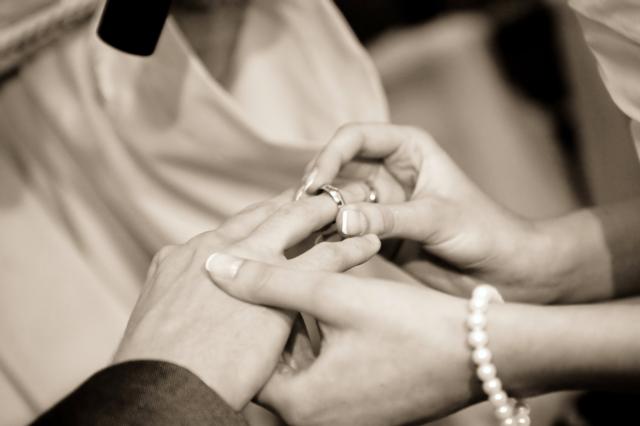
That’s why phrases like “put a ring on it” or “make it official” have power. They point to a common idea: commitment is not only an inner feeling. It’s also a public signal. Even small gestures can play that role. A partner introducing you confidently, standing close, or using “we” instead of “I” can matter as much as a kiss.
At the same time, public affection can also be a way to boost confidence. People often mirror the energy around them. If your partner is warm and attentive in public, you may feel more grounded and socially comfortable.
The social side: affection helps manage boundaries and reduce uncertainty
Public affection can also act like a boundary marker. It tells others, “We are together.” That can reduce awkwardness in social situations where roles are unclear.
Think of a party where you barely know anyone. A small gesture—standing shoulder to shoulder, a hand on the waist—can help both partners feel anchored. It can also discourage unwanted flirting or intrusive questions. The message is not “stay away,” but “this connection exists.”
This boundary function shows up in everyday life. A couple might hold hands while walking past a group that feels intimidating. A spouse might hug their partner after a tense interaction with relatives. The affection is partly emotional support and partly social navigation.
Historical roots: public signals of commitment and alliance
Public displays of affection are not new, but they have changed shape across time and place. In many societies, marriage and partnership were not just personal choices. They were economic and family alliances. Public rituals—weddings, engagement announcements, shared symbols—helped communities recognize and respect those bonds.
Even today, we use visible signs to communicate relationship status: rings, shared last names, matching bracelets, social media posts, holiday cards signed “from both of us.” These are modern versions of an old pattern: humans like relationships to be legible to others.
It’s also worth noting that what counts as “affection” differs widely. In some cultures, public kissing is normal. In others, it’s frowned upon. In some places, friends hold hands or link arms without any romantic meaning. In others, that would be read as intimate. The behavior may look similar, but the social code behind it changes.
Culture and language: what we say reveals what we value
Idioms and sayings show how people think about public affection and love:
- “Wear your heart on your sleeve.” This suggests openness—showing feelings instead of hiding them.
- “Public display of affection” (PDA). The phrase itself hints at performance, which is why people debate whether it’s sweet or attention-seeking.
- “Actions speak louder than words.” Many people trust visible, consistent behavior more than private promises.
- “Don’t air your dirty laundry in public.” This is the flip side: societies often accept public affection more than public conflict.
These sayings point to a common rule: people are comfortable when public emotion fits the setting. A quick hug at a train station feels normal. A loud argument in the same spot feels uncomfortable. The difference is not only positivity versus negativity. It’s also about what a community expects to witness.
Modern life: why public affection can feel more important now
Modern relationships face pressures that make public reassurance tempting. People spend long hours at work, manage busy schedules, and communicate through screens. Many also deal with social media, where relationships can feel both highly visible and strangely uncertain.
A couple might post photos together not just for likes, but to mark a milestone and feel connected. A partner might appreciate a supportive arm around the shoulder at a work event because it signals teamwork. Even small gestures can counterbalance the feeling that life is fragmented.
Public affection can also be a quiet act of resilience. For some couples—especially those who have faced stigma—showing affection openly can be a way to claim space and dignity. For others, privacy is safer or more comfortable. Both choices can be valid, depending on context.
When public affection helps—and when it doesn’t
Public affection usually works best when it matches both partners’ comfort levels and the setting. Problems tend to arise when it becomes a test or a tool.
Here are a few practical ways to recognize what’s going on in your own experience:
- Notice your motive. Are you reaching for closeness, or trying to prove something to others?
- Check your body’s reaction. Do you feel calmer and more connected, or tense and exposed?
- Talk about preferences. One person may love hand-holding. Another may prefer verbal affection in public. Neither is “wrong.”
- Respect context. A quick kiss might feel fine on a sidewalk but not at a funeral or in a strict workplace.
- Watch for imbalance. If someone refuses any public acknowledgment but wants full intimacy in private, it can be worth discussing why.
Healthy public affection tends to feel like an extension of the relationship, not a performance under pressure.
A final thought on why it matters
Humans celebrate affection publicly because love is not only a feeling—it’s a bond that helps us function. Public moments are where life happens: crowded streets, family gatherings, stressful errands, big transitions. A small touch or warm gesture can turn those spaces into something safer and more human. When it’s mutual and respectful, public affection is less about being watched and more about saying, in the clearest way we have, “You’re not alone, and neither am I.”